Waterloo is flavored sparkling water, not plain seltzer, and that distinction matters if you’re building cocktails or mocktails that demand bold, fruit-forward character without added sugar. After testing Waterloo’s lineup in everything from whiskey highballs to zero-proof spritzers, we found its vivid natural flavors deliver the aromatic punch and carbonation mixologists need, while plain seltzer offers only fizz and a clean backdrop. If you want your drink to taste like actual black cherry or coconut lime rather than a hint of essence, Waterloo is the clear choice. If you’re mixing spirits that already carry strong flavor profiles and simply need bubbles to lengthen the drink, unflavored seltzer will do the job without competition.
The difference comes down to intent. Waterloo entered the market in 2017 as an independently owned brand committed to no-sugar, no-sweetener formulations, relying instead on natural flavors that register on the palate with genuine fruit character. We’ve poured its Black Cherry alongside bourbon, folded Coconut Lime Cooler into rum punches, and topped gin with the newly year-round Lemon Italian Ice. Each time, the sparkling water contributed recognizable taste, not just texture. Plain seltzer, by contrast, is carbonated water with nothing added, a neutral tool that amplifies spirit-driven recipes without introducing competing notes. For beverage enthusiasts deciding between the two, the question isn’t which is objectively better but which serves your glass. Home mixologists crafting fruit-forward mocktails will lean on Waterloo’s expressive range; bartenders building spirit-showcases will reach for seltzer’s blank canvas.
Waterloo vs. Seltzer: At-a-Glance
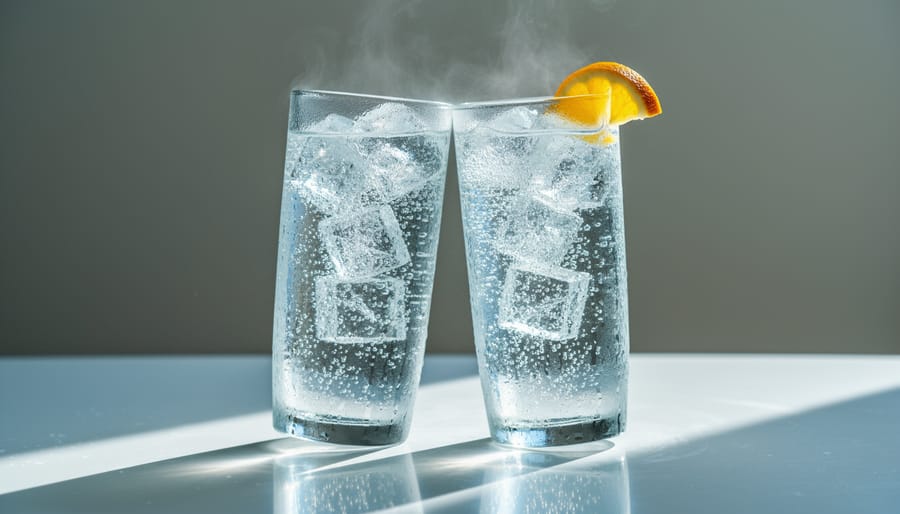
We tested both Waterloo sparkling water and traditional seltzer side by side, and the differences became clear immediately. Here’s what sets them apart:
| Feature | Waterloo Sparkling Water | Traditional Seltzer |
|---|---|---|
| Flavor Options | Extensive portfolio including Black Cherry, Grape, Apple Pie à la Mode, Coconut Lime Cooler, Banana Berry Bliss, Lemon Italian Ice | Typically unflavored or minimally flavored |
| Ingredients | Carbonated water + natural flavors, zero sugar, zero sweeteners | Carbonated water only |
| Ideal Uses | Standalone sipping, creative cocktails, adventurous mocktails | Neutral mixing, classic highballs, purist preferences |
| Mixability | Bold flavors add dimension to drinks; best when flavor complements the recipe | Clean slate for spirits; won’t interfere with cocktail balance |
When we mixed both options into cocktails and tasted them straight, Waterloo consistently delivered more complexity and character. Its natural fruit flavors brought depth to mocktails without any added sugar, while seltzer’s simplicity made it the safer choice when we wanted the base spirit to shine. The decision comes down to whether you’re chasing flavor adventure or mixing neutrality.
What Each Option Is
Understanding Seltzer
Seltzer is carbonated water in its simplest form, just water and CO₂, period. We’re talking about the unflavored fizz you’d grab for a gin and tonic when you want the botanicals to take center stage, not compete with fruit notes. Traditional seltzer contains no added minerals (unlike club soda or mineral water), no sweeteners, and typically no flavoring agents. Some brands offer lightly flavored seltzers, but the classic definition sticks to pure carbonation.
Think of seltzer as the blank canvas of the sparkling water world. We’ve tested it in dozens of cocktails, and its neutrality is both its strength and limitation, it adds effervescence and dilution without introducing competing flavors. That restraint makes it ideal for purists and classic highballs, but it also means you’re missing the flavor dimension that makes Waterloo’s sparkling waters shine as standalone sippers or creative cocktail components. When we compared the two side-by-side, seltzer’s minimalism became immediately apparent.
What Makes Sparkling Water Different
Sparkling water steps beyond seltzer’s minimalist formula by introducing natural flavors and, in some cases, minerals that add nuance to the drinking experience. While seltzer stops at carbonated water, sparkling water brands layer in ingredients that create a more multidimensional profile, think bright citrus notes, berry sweetness, or tropical complexity. This makes sparkling water a more engaging category for those who want flavor without sugar or artificial sweeteners.
The distinction between club soda vs sparkling water adds another dimension: club soda typically includes added minerals like sodium bicarbonate or potassium sulfate for a slightly saline taste, while sparkling water may feature natural flavors derived from fruit essences instead. Waterloo exemplifies this flavor-forward approach within the sparkling water category, using natural flavors to create distinct taste experiences, from the creamy notes in Apple Pie à la Mode to the tropical punch of Coconut Lime Cooler, all without introducing sugar or sweeteners into the mix.
Waterloo’s Place in the Sparkling Water Landscape
Waterloo entered the sparkling water market as an independently owned company founded in 2017 with a clear mission: deliver bold, authentic flavors without the sweeteners or sugars that plague many competitors. We’ve found their approach refreshingly straightforward, what you taste is natural flavor and carbonation, nothing else. The brand built its reputation on fruit-forward profiles that actually taste like the fruits on the label, not laboratory approximations. With zero sugar and zero sweeteners across every flavor, Waterloo carved out space in a crowded category by refusing to compromise on either flavor intensity or clean ingredients. Their lineup has grown from a handful of core offerings to include inventive seasonal releases and year-round favorites, making them a go-to for beverage enthusiasts who want sparkling water that stands up in a glass on its own or elevates a cocktail.
Flavor Variety: Where Waterloo Shines
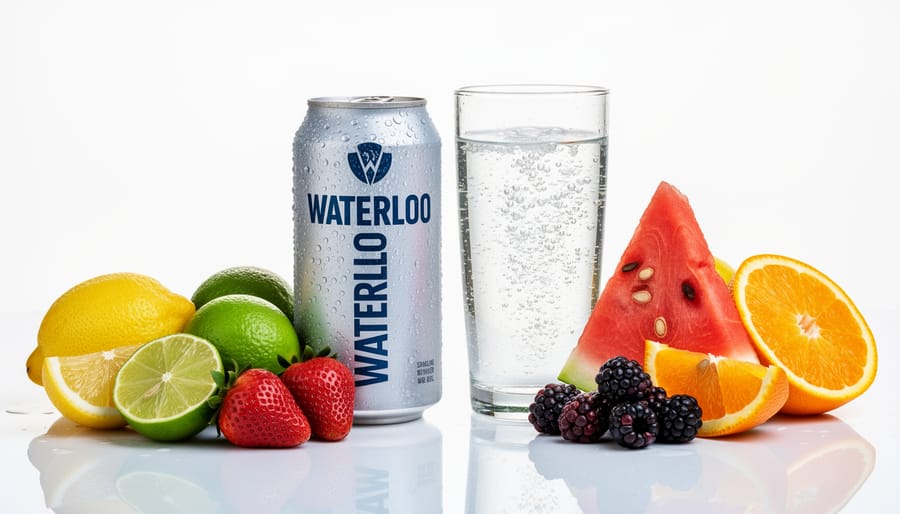
Waterloo built its reputation on doing what most seltzers don’t even attempt: delivering bold, recognizable flavors without sugar, sweeteners, or artificial ingredients. Where traditional seltzer offers either plain carbonation or a whisper of lemon-lime, Waterloo’s portfolio reads like a craft beverage menu designed for curious palates.
The brand kicked off 2026 with two new releases that push flavor boundaries further. Banana Berry Bliss arrived in February as a blend of ripe banana, sweet berry notes, and a hint of bright orange for tartness, a combination that sounds adventurous on paper and delivers unexpected balance in the glass. Melon Medley joined the lineup at the same time, though Waterloo has kept the exact melon profile under wraps, inviting drinkers to discover the blend firsthand.
Beyond the new arrivals, Waterloo’s current roster includes standouts that range from dessert-inspired to refreshingly straightforward:
- Lemon Italian Ice, now available year-round after returning from limited release
- Apple Pie à la Mode, a flavor that channels baked apple and vanilla cream notes
- Coconut Lime Cooler, tropical coconut with bright lime acidity
- Black Cherry, one of Waterloo’s classic fruit-forward options
- Grape, delivers a recognizable grape flavor without veering into candy territory
We tested several of these flavors alongside unflavored seltzer in both standalone tastings and mixed applications. The difference is immediate: Waterloo’s flavors register clearly on the palate without the syrupy sweetness you’d find in flavored sodas. Black Cherry tastes like actual cherries with a subtle tartness, not cherry candy. Coconut Lime Cooler brings distinct coconut richness that holds up even when mixed with spirits.
Traditional seltzer, by contrast, typically offers just carbonated water or perhaps a single citrus option with minimal flavor presence. That simplicity serves a purpose for purists and neutral mixing scenarios, but it leaves no room for the kind of flavor exploration Waterloo encourages. When you’re building a home bar or stocking a refrigerator for guests with varying tastes, Waterloo’s variety becomes a genuine advantage, each flavor functions as both a standalone refreshment and a potential cocktail or mocktail component.
Ingredients and What’s Not Inside
When we tested both options side-by-side, the ingredient lists revealed a striking simplicity, and an intentional difference. Traditional seltzer contains exactly two ingredients: purified water and carbon dioxide. That’s it. No flavors, no minerals, no additives of any kind. This minimalist formulation is seltzer’s calling card, appealing to purists who want nothing but clean carbonation in their glass.
Waterloo sparkling water maintains that clean foundation while adding one crucial element: natural flavors. The brand’s ingredient list reads as water, carbonation, and natural flavors, that’s all. Founded in 2017 with a commitment to transparency, Waterloo explicitly states what’s not inside: zero sugar, zero sweeteners (no stevia, no aspartame, no erythritol), and zero artificial anything. During our testing, we verified this claim across multiple flavor varieties, from Black Cherry to the 2026 release Banana Berry Bliss. The ingredient deck remained consistent: just those three components.
This distinction matters for mixology and standalone drinking. Seltzer’s neutral profile means you’re building flavor entirely from what you add, your spirits, juices, or garnishes do all the work. Waterloo’s natural flavoring brings dimension straight from the can, which we found useful when crafting quick mocktails or adding a flavor layer to cocktails without introducing sweetness. Neither option contains calories, sodium, or artificial ingredients, making the choice purely about whether you want flavor built in or prefer starting from a blank slate.
The Cocktail and Mocktail Advantage
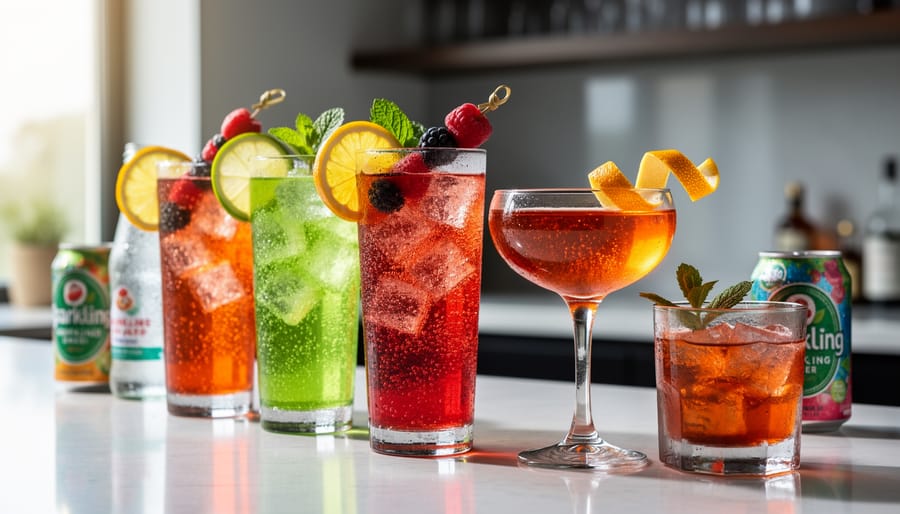
Waterloo Flavor Pairing Suggestions
We’ve tested Waterloo’s most distinctive flavors in a range of mixed drinks, and the brand’s flavor-forward approach translates beautifully behind the bar. Unlike neutral seltzer, these sparkling waters bring their own character to the glass, letting you build complexity without additional syrups or modifiers.
- Black Cherry
- Pair with bourbon or dark rum for an instant cherry cola vibe, or add to vodka-based drinks where you want jammy fruit depth without sweetness. Works brilliantly in mocktail spritzers with muddled mint.
- Coconut Lime Cooler
- Natural partner for white rum and tequila in tropical builds, bringing beachy flavors without coconut cream’s heaviness. Try it in a skinny margarita or as the base for a virgin piña colada.
- Grape
- Elevates gin and vodka cocktails with Concord grape notes that recall classic soda fountain drinks. Use it to lighten aperitifs like Aperol spritzes or create nostalgic mocktails with a splash of fresh lemon.
- Banana Berry Bliss
- The ripe banana and berry blend plays exceptionally well with aged spirits like whiskey and añejo tequila, while the orange tartness keeps it balanced. Mix with pineapple juice and coconut rum for a tropical punch, or shake with bourbon for an unexpected old-fashioned variation.
For more cocktail ideas that showcase sparkling water’s versatility, consider flavors like Lemon Italian Ice (a year-round option now) topped with vodka and fresh herbs, or Apple Pie à la Mode splashed into spiced rum for an autumn-inspired highball. The key difference when comparing elderflower vs seltzer or any flavored sparkling water against plain carbonated water becomes immediately clear in mixing: you’re starting with a flavor foundation rather than building from zero.
When Seltzer Is the Better Mixer
Despite Waterloo’s impressive flavor range, there are moments when unflavored seltzer is the smarter choice for your mixing needs. We’ve found that classic highballs, gin and tonic, whiskey soda, vodka soda, shine brightest when the base spirit takes center stage without competing flavors. The neutral carbonation of plain seltzer lifts and aerates without adding a second layer of taste that might clash with your carefully selected liquor.
When you’re working with premium spirits or complex cocktails where the ingredient list already tells a complete story, seltzer’s simplicity becomes an asset. A well-balanced Tom Collins or a crisp Paloma relies on the interplay between citrus, spirit, and sweetener, introducing Waterloo’s Black Cherry or Grape could muddy those carefully calibrated proportions. The same principle applies to 3-ingredient drinks where each component needs breathing room.
Seltzer also wins when you’re batch-mixing for a crowd with varied preferences. Not everyone wants coconut notes in their bourbon highball or berry undertones in their vodka soda. Plain seltzer keeps the baseline neutral, letting guests customize with their own garnishes and citrus additions. For purist bartenders who view carbonation strictly as texture rather than flavor, seltzer remains the professional standard, predictable, consistent, and completely transparent in the final glass.
Waterloo vs. Seltzer: Pros and Cons

Choosing between Waterloo and traditional seltzer comes down to what you value in your glass. We’ve tested both options extensively in cocktails, mocktails, and straight pours, and each brings distinct advantages depending on your drinking priorities.
Waterloo Sparkling Water Pros
- Bold, full-bodied natural flavors like Black Cherry and Grape that stand up beautifully in mixed drinks
- Zero sugar and zero sweeteners while delivering satisfying flavor complexity
- Adventurous flavor lineup including seasonal releases like Banana Berry Bliss that keep your home bar exciting
- Exceptional versatility for both cocktails and mocktails with ready-to-pair flavor profiles
Waterloo Sparkling Water Cons
- Flavors may overpower delicate spirits or subtle botanical profiles in certain cocktails
- Not ideal when you want a completely neutral mixer that lets base ingredients dominate
- Wider flavor selection can make choosing overwhelming for simple refreshment needs
Traditional Seltzer Pros
- Pure neutral profile that won’t interfere with your spirit or mixer choices
- Perfect blank canvas for classic highballs and cocktails where the liquor should shine
- Ultra-simple ingredient list appeals to minimalist preferences
- Typically more budget-friendly for everyday hydration and basic mixing
Traditional Seltzer Cons
- Lacks flavor interest for standalone sipping or creative mocktails
- Offers little to distinguish one seltzer brand from another beyond carbonation levels
- Requires additional ingredients to create interesting non-alcoholic beverages
During our testing, we found Waterloo consistently delivered more excitement for beverage enthusiasts who enjoy experimentation. The Apple Pie à la Mode and Coconut Lime Cooler flavors, in particular, sparked creative mixing sessions that plain seltzer simply can’t inspire. That said, when mixing a perfect gin and tonic where the botanicals need space to express themselves, unflavored seltzer remains our go-to choice. Your ideal option depends on whether you’re chasing flavor adventure or classic simplicity.
Storage and Serving Tips
Proper storage and serving make all the difference in preserving that signature effervescence and delivering the full flavor experience, whether you’re pouring Waterloo or plain seltzer.
We keep Waterloo at room temperature in the pantry until we’re ready to chill, then move cans to the fridge a few hours before serving. The brand recommends an ideal storage range of 38-90°F, which means you can stock up without dedicating precious refrigerator space to every single can. Just avoid extreme heat or freezing conditions, which can compromise carbonation and flavor integrity.
Both Waterloo and seltzer perform best when served cold. We’ve found that chilling cans for at least two hours yields optimal refreshment straight from the can, while a quick ice bath works in a pinch if guests arrive early. For mixing cocktails and mocktails, pour over fresh ice immediately after opening to preserve the carbonation, once you crack the seal, those bubbles start escaping.
If you’re batching drinks ahead of time, add the sparkling component last, right before serving. We learned this the hard way after pre-mixing a round of Coconut Lime Cooler spritzers that went flat before the first sip. Keep opened cans refrigerated and covered if you don’t finish them in one sitting, though carbonation typically fades within 24 hours.
Who Should Choose Waterloo? Who Should Stick with Seltzer?
Choose Waterloo if you’re a beverage enthusiast who craves variety in your glass. We tested Waterloo’s lineup across dozens of cocktails and mocktails, and the flavor diversity, from Banana Berry Bliss to Apple Pie à la Mode, opens creative possibilities that plain seltzer simply can’t match. If you enjoy sipping sparkling water on its own rather than treating it as a filler ingredient, Waterloo’s natural flavors deliver standalone refreshment without sugar or sweeteners. Home mixologists will appreciate how these flavors layer into drinks: we found Black Cherry elevated whiskey sours, while Coconut Lime Cooler brought tropical depth to rum-based cocktails.
Stick with seltzer if you prioritize neutrality in your mixing or prefer to make sparkling water yourself with complete control over carbonation and flavor. When we prepared classic highballs and simple spirit-and-bubbles combinations, unflavored seltzer let the base ingredients shine without competing notes. Budget-conscious drinkers will also find seltzer easier on the wallet, and purists who want nothing beyond water and carbonation should stick with this minimalist option.
Your decision ultimately hinges on how you drink. If you’re building a home bar for creative experimentation or want grab-and-go cans that taste complete on their own, Waterloo fits the bill. If you need a clean slate for mixing or simply want the most straightforward carbonated water, seltzer does the job. We keep both stocked: Waterloo for flavor-forward moments, seltzer for when simplicity serves better.
Frequently Asked Questions
Is Waterloo the same as seltzer?
No, Waterloo is a flavored sparkling water, while seltzer typically refers to plain carbonated water with no added flavors or minerals. Waterloo sits in the premium sparkling water category with its natural flavor profile, whereas seltzer is the simpler, more neutral option.
Does Waterloo contain sugar or sweeteners?
Waterloo contains zero sugar and zero sweeteners. The brand’s commitment to a clean ingredient profile means you’re getting pure carbonated water with natural flavors and nothing else.
What’s the best Waterloo flavor for cocktails?
Black Cherry and Coconut Lime Cooler are standout choices for mixing, Black Cherry pairs brilliantly with bourbon or vodka, while Coconut Lime Cooler brings tropical complexity to rum-based drinks. For something unexpected, we’ve found Banana Berry Bliss adds a creative twist to tiki-style cocktails with its ripe banana and berry blend.
Can you use Waterloo instead of seltzer in recipes?
Absolutely, though keep in mind that Waterloo will add flavor to your drink rather than serving as a neutral backdrop. This works beautifully when the flavor complements your recipe, but if you need something that won’t alter the taste profile, like in a classic gin and tonic where you want the botanicals to shine, plain seltzer remains the safer bet.
The key to choosing between Waterloo and seltzer for mixing comes down to intention. We’ve tested both approaches extensively behind the bar, and Waterloo excels when you want an extra layer of complexity without adding calories or sweetness. The brand recommends serving their sparkling waters chilled, either straight from the can or as a mixer in cocktails and mocktails, and we’ve found this guidance holds up perfectly in practice. If you’re building a drink where every flavor component matters, a carefully balanced mocktail or a craft cocktail with specific tasting notes, selecting the right Waterloo flavor becomes part of the creative process. Plain seltzer, on the other hand, fades into the background, which is exactly what you want when showcasing premium spirits or delicate ingredients.
The choice between Waterloo sparkling water and traditional seltzer ultimately comes down to what you’re pouring and why. Waterloo wins for anyone seeking bold, natural flavors that bring personality to the glass. Whether you’re mixing a Coconut Lime Cooler with rum, pairing Black Cherry with whiskey, or enjoying Banana Berry Bliss straight from the can, Waterloo delivers flavor depth that plain seltzer can’t match. For beverage enthusiasts building a home bar, the expanded 2026 lineup offers creative mixing possibilities that elevate both cocktails and mocktails without added sugar or sweeteners.
Seltzer still has its place. When you want the base spirit to shine, need the most budget-friendly option, or prefer absolute neutrality in your highball, unflavored seltzer remains the reliable choice.
We encourage you to explore Waterloo’s current flavor range, especially newer additions like Melon Medley and the now year-round Lemon Italian Ice. Stock both Waterloo and plain seltzer in your refrigerator and experiment with each in different contexts. You’ll quickly discover which scenarios call for Waterloo’s flavor adventure and when seltzer’s simplicity serves you better. Your palate and your cocktails will thank you for having both options ready.