Elderflower sparkling water justifies its premium over plain seltzer for mocktail applications because of its built-in botanical complexity, which eliminates the need for multiple syrups and mixers while delivering a sophisticated flavor profile that plain bubbles can’t match. For home mixologists looking to streamline their bar setup without sacrificing elegance, elderflower varieties offer a two-in-one solution: standalone refreshment and a ready-made base that already brings floral, honey, and citrus notes to the glass.
The practical difference becomes clear when you compare the workflow. Plain seltzer requires you to build flavor from scratch with elderflower cordial, simple syrup, and fresh citrus, running you around $8 to $12 in ingredients per batch. Pre-flavored options like Aura Bora’s Grapefruit Elderflower (around $2.95 per 12 oz can) or Good Idea’s Strawberry Elderflower ($3.39 per can at Mill Valley Market in 2026) deliver instant complexity. The cost per serving lands close to what you’d spend assembling a DIY version, but you save prep time and shelf space.
Professional bartenders and event hosts appreciate the consistency. A homemade elderflower sparkling water using white balsamic vinegar, agave, and fresh orange juice gives you full control over sweetness and acidity, perfect for customizing large batches. Commercial bottles work best for quick service or when you need reliable flavor across dozens of drinks. Both approaches have earned their place in modern mocktail culture, where elderflower’s delicate profile bridges the gap between juice-forward spritzers and minimalist soda-and-citrus classics.
Quick Verdict: When to Choose Elderflower Sparkling Water Over Seltzer
The choice between elderflower sparkling water and seltzer comes down to convenience versus creative control. Elderflower varieties deliver floral complexity straight from the can, eliminating the need to source and measure elderflower cordials or balsamic vinegars. At $2.95 to $3.39 per 12-ounce serving, you’re paying for ready-made sophistication, pour over ice, add a citrus wedge, and you have an elegant mocktail in seconds.
Seltzer gives you a blank canvas to build exactly the flavor profile you want. When you’re following recipes like the cookingwithcarby approach that combines elderflower white balsamic vinegar with fresh orange juice and agave syrup, plain seltzer lets you adjust each component to taste. The cost advantage becomes significant when serving groups: a liter of basic seltzer costs a fraction of premium elderflower water and provides more volume for batch mixing.
Who should choose elderflower sparkling water? Home hosts who value simplicity, anyone new to mocktail making, and situations where you need reliable, consistent flavor without measuring or mixing. The built-in taste profile means less can go wrong, and options like Good Idea Strawberry Elderflower or Aura Bora Grapefruit Elderflower offer variety without requiring a stocked bar cart.
Stick with seltzer if you’re an experienced mixologist who enjoys experimenting, you’re managing drink costs for large gatherings, or you already stock elderflower cordials and prefer total control over sweetness and intensity. The neutral base accommodates any flavor direction without competing against existing ingredients.
What Elderflower Sparkling Water Brings to Your Glass
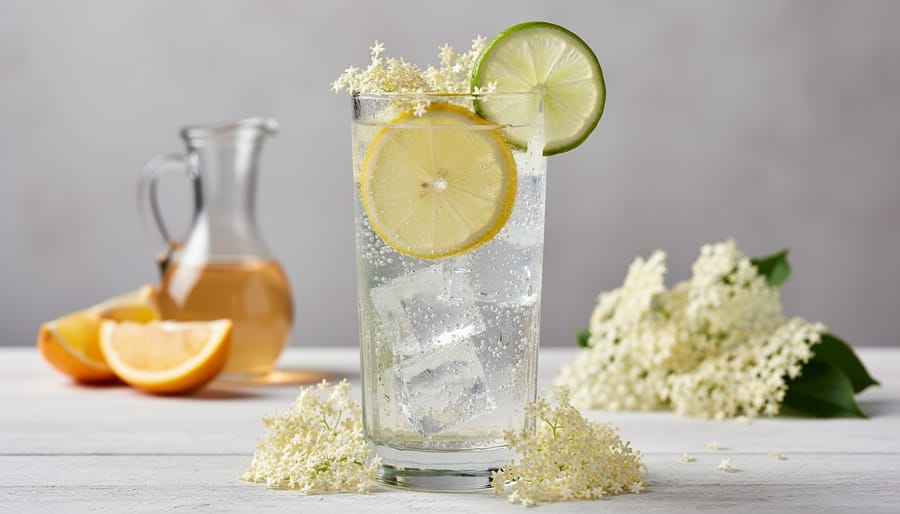
Elderflower sparkling water is carbonated water infused with elderflower essence, a botanical extract derived from the delicate white blossoms of the elder tree. Unlike plain seltzer, which contains nothing but water and carbon dioxide, elderflower varieties introduce a subtle floral dimension that sits somewhere between a hint of honey and a whisper of lychee. This distinguishes it from unflavored sparkling water, which may contain trace minerals but no added flavoring compounds.
The flavor profile leans floral without crossing into perfume territory. You’ll notice a gentle sweetness that doesn’t come from added sugar in most cases, but rather from the natural aromatic compounds in elderflower. That delicate character makes it remarkably versatile as a mocktail foundation, providing complexity without overwhelming other ingredients the way aggressive fruit flavors might.
- Elderflower sparkling water
- Carbonated water infused with elderflower essence, offering floral and subtly sweet notes without added sugar in most formulations.
- Seltzer
- Plain carbonated water containing only water and carbon dioxide, with no added minerals, flavors, or botanical extracts.
- Sparkling water
- Carbonated water that may contain naturally occurring or added minerals, distinguished from seltzer by mineral content and sometimes flavor complexity.
- Carbonation levels
- The intensity of dissolved carbon dioxide in water, ranging from gentle effervescence to aggressive fizz that affects mouthfeel and mixing behavior.
The category has evolved rapidly over the past couple years. Good Idea produces a Strawberry Elderflower variety available in 60-pack bundles at retailers like H-E-B, priced around $3.39 per 12 oz can at specialty markets like Mill Valley Market. Aura Bora offers a Grapefruit Elderflower option at $2.95 for 12 oz, often found at Whole Foods alongside other elderflower blends. These products signal elderflower’s shift from niche botanical curiosity to mainstream mocktail ingredient.
What makes elderflower sparkling water particularly appealing for non-alcoholic drinks is its ability to mimic the aromatic lift that spirits typically provide. The floral notes add perceived sophistication to simple combinations, turning basic citrus and ice into something that feels intentional rather than improvised. That built-in complexity explains why it’s becoming a go-to base for home mixologists who want impressive results without stocking a full bar cart of syrups and bitters.
What Seltzer Is (And Why It’s Different)
Seltzer is carbonated water in its purest form: just water and carbon dioxide, nothing else. No minerals, no sodium, no flavors, no sweeteners. This simplicity makes it the ultimate neutral base in the carbonated water family, a blank canvas that lets you build exactly the flavor profile you want without competing notes.
The distinction matters when you’re choosing a mixer. While the club soda vs sparkling water debate centers on mineral content, club soda contains added minerals like potassium bicarbonate or potassium sulfate, and some sparkling waters carry naturally occurring minerals from their source, seltzer sidesteps that conversation entirely. It’s chemically closer to distilled water with bubbles, which means it won’t contribute any subtle salty or mineral flavors that might clash with delicate ingredients.
That neutrality becomes especially relevant when you compare seltzer to flavored options like elderflower sparkling water. Where products such as Good Idea Strawberry Elderflower or Aura Bora Grapefruit Elderflower arrive with built-in floral character, seltzer waits for you to add your own direction. You control the intensity, the sweetness, the botanical notes. For mixologists who want to craft their mocktails from scratch using fresh ingredients, balsamic vinegars, or homemade syrups, seltzer provides carbonation without interference. For those seeking convenience and instant sophistication, that same neutrality is exactly what elderflower varieties solve.
Elderflower Sparkling Water vs. Seltzer: The Key Differences That Matter
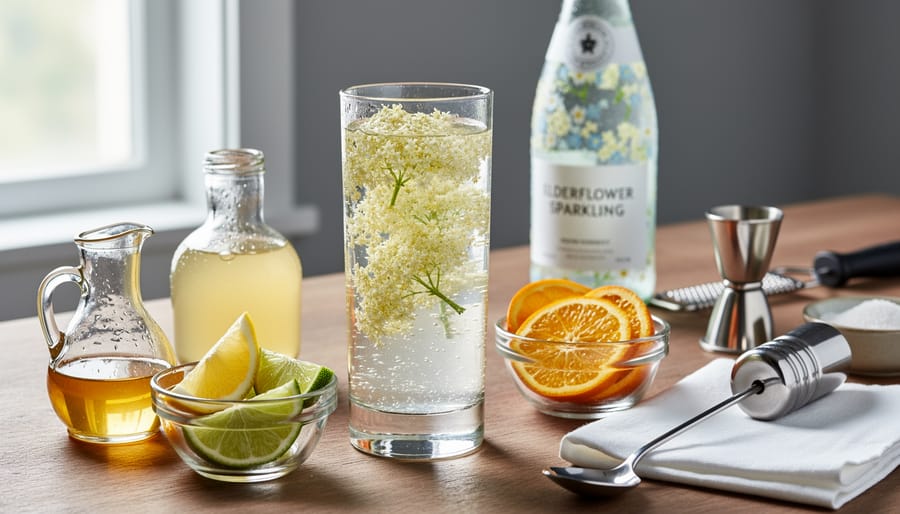
Price and Value Per Serving
Elderflower sparkling water sits firmly in premium territory. At Mill Valley Market, Good Idea’s Strawberry Elderflower runs $3.39 per 12-ounce can, while Aura Bora’s Grapefruit Elderflower costs $2.95. Good Idea’s 60-pack bundle brings the unit price down to $0.70 per can, making bulk purchases more economical for frequent mocktail makers.
Seltzer, by contrast, typically costs $0.25 to $0.50 per 12-ounce serving when bought in multipacks from grocery store brands. That’s a six-to-thirteen-fold difference at retail.
The premium makes sense if you’re hosting a last-minute gathering and need instant sophistication, just pour over ice, add a citrus wedge, and you’re done. For regular home use or batch mixing, though, that gap adds up fast. Making your own elderflower sparkling water with plain seltzer, elderflower cordial or balsamic vinegar, and fresh juice cuts costs to around $0.75 per serving while giving you complete control over sweetness and intensity. The ready-to-drink convenience justifies the price when time matters more than budget, but mixologists pouring multiple drinks daily will find seltzer plus flavoring agents far more sustainable.
Availability and Shopping Convenience
Seltzer is everywhere, grocery stores, gas stations, corner bodegas, making last-minute purchases effortless. Elderflower sparkling water requires more deliberate shopping. Whole Foods stocks varieties like lime mint elderflower, while H-E-B carries Good Idea’s Strawberry Elderflower in their beverage aisles. Specialty markets such as Mill Valley Market and Au Marche also feature options like Aura Bora Grapefruit Elderflower, though selection varies by location.
This availability gap matters when you’re planning a gathering. You can’t count on finding elderflower varieties at every store, so stock up when you spot them or order multi-packs online. Good Idea offers free shipping on two or more cases, which solves the convenience problem if you’re willing to plan ahead. For impromptu mocktails, seltzer’s ubiquity wins, but elderflower’s growing presence in mainstream grocers like Whole Foods and H-E-B signals it’s moving beyond specialty status.
Flavor Complexity and Mixing Control
Elderflower sparkling water delivers a delicate floral sweetness from the first sip, offering instant character that seltzer can’t match. You’re getting honeyed, slightly botanical notes that echo the actual elderflower bloom, no muddling, no syrups, no prep work required. This built-in complexity means your mocktail already has a flavor foundation before you add citrus, herbs, or other mixers.
Seltzer gives you a completely blank slate. Pure carbonation, zero flavor, total control over every taste element in your glass. If you’re building a mocktail from scratch with fresh ingredients, bitters, and house-made syrups, that neutrality becomes your advantage, nothing competes with your carefully balanced recipe.
The trade-off comes down to intensity and intent. Some drinkers find commercial elderflower waters too subtle, barely registering the floral notes against the carbonation. Others appreciate that restraint, especially when layering additional flavors where a stronger elderflower essence would dominate. If you want pronounced floral character, you’ll likely need to supplement with elderflower cordial or balsamic vinegar regardless of which carbonated base you choose. Seltzer requires you to build everything; elderflower sparkling water provides a gentle starting point that works solo or enhanced.
Package Formats and Serving Scenarios
Package formats shape your mixing strategy from the moment you start planning. The 12 oz cans dominating the elderflower sparkling water market, like Good Idea’s Strawberry Elderflower and Aura Bora’s Grapefruit Elderflower, work beautifully for single-serve mocktails where you’re building one drink at a time. Pop a can, pour it over muddled citrus and herbs, and you’ve got a controlled portion with no leftover carbonation worries. This format shines at casual gatherings where guests mix their own drinks or when you’re testing new flavor combinations without committing to a full batch.
One-liter bottles, though less common in specialty elderflower varieties, become essential for batch mocktails serving four to six people. You’ll maintain consistent carbonation throughout your recipe and reduce per-serving costs compared to opening multiple cans. The cookingwithcarby approach using 500ml water demonstrates how bottles let you scale recipes efficiently, double that base and you’re ready for a small party. Just remember that once opened, bottles lose fizz faster than unopened cans, so mix and serve within an hour for peak sparkle.
How to Use Elderflower Sparkling Water in Mocktails: Mixing Techniques
The elderflower profile works beautifully in mocktails because it brings delicate floral sweetness that pairs naturally with citrus, herbs, and light fruit flavors. Start by treating elderflower sparkling water as both your flavor base and your carbonation source, which means you’ll add fewer ingredients than you would with plain seltzer.
Pour your elderflower sparkling water gently over ice rather than shaking or stirring vigorously. Aggressive mixing kills the bubbles you’re paying a premium for. The cookingwithcarby approach demonstrates smart layering: they build a mocktail foundation with 500ml sparkling water, then add 1 tablespoon elderflower white balsamic vinegar, 2 teaspoons agave syrup, and 3-4 tablespoons fresh orange juice. That vinegar contributes bright acidity while doubling down on the elderflower notes, creating depth you won’t get from the sparkling water alone.
Balance is everything when working with elderflower’s subtle floral character. If you’re drawing on 3-ingredient mocktails for simplicity, remember that elderflower sparkling water already counts as one ingredient, so you only need to add two complementary elements. Citrus cuts through the floral sweetness, which is why orange, lemon, and grapefruit all work brilliantly. Fresh juice delivers brighter flavor than bottled, but add it in small increments because too much will overpower the elderflower.
Sweetness adjustment depends on your base water. Some elderflower sparkling waters lean sweeter than others, so taste before adding agave or simple syrup. Start with half the sweetener you think you need, stir gently with a bar spoon, then taste and adjust. For 3-ingredient drink ideas that showcase elderflower, consider pairing it with muddled fresh herbs like basil or mint, which introduce a green brightness that complements the floral base.
Here’s what separates amateur results from professional-tasting mocktails:
- Chill your glassware before building the drink to extend carbonation life
- Add ice last, not first, to prevent dilution while you’re measuring other ingredients
- Use large ice cubes or spheres rather than crushed ice, which melts faster and waters down the drink
- Pour sparkling water as the final step after all other ingredients are in the glass
- Stir no more than three gentle rotations with a bar spoon to incorporate flavors without losing fizz
Temperature matters more than most home mixologists realize. Elderflower sparkling water should come straight from the refrigerator, ideally at 35-40°F. Room-temperature carbonated water loses its bubbles within minutes of opening. If you’re batching mocktails for a gathering, mix the non-carbonated ingredients first and store them chilled, then top each glass with elderflower sparkling water just before serving.
For mocktail inspiration that goes beyond basic pours, think about layering flavors the way you would in a cocktail. A splash of elderflower cordial added to elderflower sparkling water might seem redundant, but it actually intensifies the floral notes while keeping the drink light and effervescent. The key is restraint: you’re enhancing, not masking, that delicate elderflower character you paid for.
Serving Ideas: From Simple Pours to Signature Mocktails
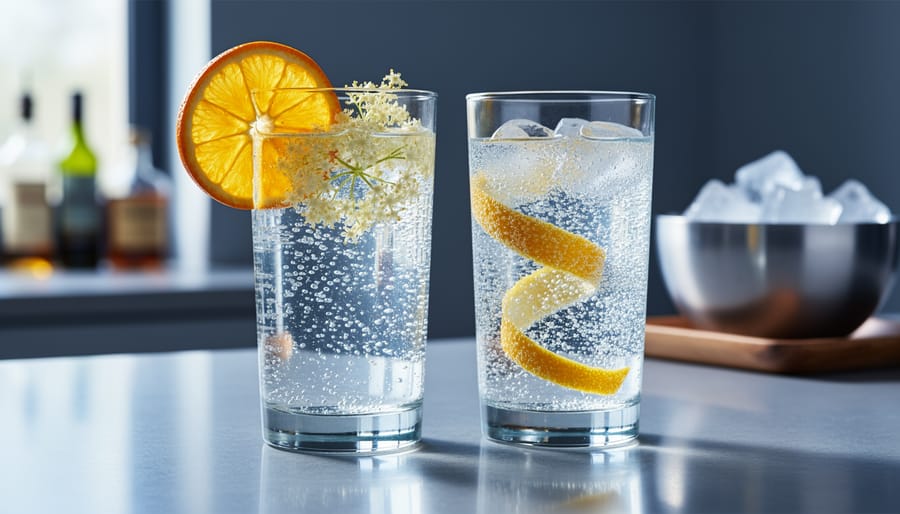
A well-chilled glass with a few ice cubes and a 12 oz can of elderflower sparkling water makes a perfectly acceptable afternoon refresher. Pour straight over ice, add a thin slice of lemon or a sprig of fresh mint, and you’re done in thirty seconds. This simple approach works when you want the floral notes to speak for themselves, especially with varieties like Aura Bora Grapefruit Elderflower that already layer citrus into the profile.
For a more intentional presentation, try the DIY method from cookingwithcarby: combine 500ml sparkling water with one tablespoon elderflower white balsamic vinegar, two teaspoons agave syrup, and three to four tablespoons fresh orange juice over a cup of ice cubes. The vinegar sharpens the floral sweetness while the orange juice adds body and vitamin C brightness. Mix gently to preserve carbonation, and serve in a tall Collins glass or stemless wine glass to give the drink visual weight.
Ready-to-drink options like Good Idea Strawberry Elderflower require even less effort. Open the can, pour over crushed ice, and garnish with fresh strawberry slices or a twist of lime peel to echo the fruit notes already in the blend. These premixed varieties shine when you’re hosting and need consistent results across multiple servings without the measuring and mixing.
Batch serving for gatherings calls for a different strategy. Use one-liter bottles of elderflower sparkling water as your base, pouring them into a large glass dispenser or pitcher with plenty of ice just before guests arrive. Add sliced cucumbers, halved strawberries, or citrus wheels for visual appeal and subtle flavor layering. Keep extra bottles chilled and add carbonation as needed rather than letting a single batch go flat over two hours.
Glassware choices matter more than you’d expect. Coupe glasses lend a cocktail-bar formality to simple pours, while highball glasses suit citrus-forward builds. Mason jars work for casual outdoor settings, and champagne flutes elevate elderflower mocktails for toasts and celebrations where the bubbles deserve center stage.
Who Should Choose Elderflower Sparkling Water (and Who Should Stick with Seltzer)
Choose elderflower sparkling water if you’re hosting a last-minute gathering and need elegant refreshments without the fuss. At $2.95 to $3.39 per 12 oz serving, options like Aura Bora Grapefruit Elderflower or Good Idea Strawberry Elderflower deliver instant sophistication. Pour them over ice, add a citrus wheel, and you’ve created a polished mocktail in fifteen seconds. This approach works beautifully for hosts who value presentation over precision, guests who appreciate subtle floral complexity, and anyone building a home bar focused on convenience.
Elderflower varieties shine at brunch gatherings, garden parties, and occasions where you’re serving drinks to people with varied palates. The built-in flavor means you won’t need to stock multiple mixers or measure syrups while guests wait. If you’re comfortable spending premium prices for ready-to-drink elegance, these bottles earn their place in your refrigerator.
Stick with seltzer if you’re mixing drinks in volume, working within tight budgets, or enjoy the creative control of building flavors from scratch. Bartenders and serious home mixologists prefer seltzer’s neutral profile because it lets them calibrate sweetness, acidity, and floral intensity exactly. When you’re making the cookingwithcarby recipe with elderflower balsamic vinegar and fresh orange juice, plain carbonated water gives you complete command over the final balance.
Seltzer also makes sense for households serving carbonated water daily. The cost difference adds up quickly when you’re going through multiple bottles weekly. Choose this route if you stock quality syrups and vinegars, enjoy recipe experimentation, or need maximum flexibility across different drink styles. Your investment goes into building a versatile ingredient library rather than pre-flavored convenience bottles.
What Each Option Is
Elderflower sparkling water is carbonated water infused with elderflower essence, delivering subtle floral notes and a hint of natural sweetness in every sip. Unlike plain carbonated water, it arrives pre-flavored, ready to drink straight from the can or bottle. Products like Good Idea Strawberry Elderflower and Aura Bora Grapefruit Elderflower combine the delicate elderflower profile with complementary fruit notes, creating a sophisticated base for mocktails without any mixing required. These beverages typically come in 12-ounce cans priced between $2.95 and $3.39, available at retailers like Whole Foods and H-E-B.
Seltzer, by contrast, is simply water injected with carbon dioxide and nothing else. No minerals, no flavors, no sweeteners, just pure carbonation creating those crisp bubbles. It’s the neutral foundation that lets mixologists build flavor from scratch, whether you buy it by the case or make sparkling water at home with a carbonation system. This blank canvas approach gives you complete control over sweetness, intensity, and flavor combinations in your mocktails.
Common Questions About Elderflower Sparkling Water in Mocktails
Can you make elderflower sparkling water at home?
Yes, you can create a DIY version by combining seltzer or plain sparkling water with elderflower cordial, elderflower syrup, or elderflower white balsamic vinegar. The cookingwithcarby recipe demonstrates this approach using 500ml water mixed with elderflower balsamic vinegar, agave, and fresh orange juice for a customizable homemade alternative.
Does elderflower sparkling water taste like alcohol?
No, elderflower sparkling water contains no alcohol and tastes nothing like alcoholic beverages. The floral, slightly sweet elderflower essence might remind you of certain botanical liqueurs or champagne cocktails, but the flavor is purely from elderflower extract without any fermentation or spirits.
How long does elderflower sparkling water stay carbonated after opening?
Once opened, elderflower sparkling water maintains optimal carbonation for 24 to 48 hours when tightly sealed and refrigerated. The fizz dissipates faster than unopened cans or bottles, so pour what you need and immediately recap to preserve the effervescence for later mocktails.
What’s the difference between elderflower cordial and elderflower sparkling water?
Elderflower cordial is a concentrated, sweet syrup made from elderflower blossoms that requires dilution with still or sparkling water before drinking. Elderflower sparkling water is a ready-to-drink carbonated beverage with subtle elderflower flavoring already balanced for immediate consumption, requiring no mixing or preparation.
Can you substitute seltzer in elderflower mocktail recipes?
You can substitute plain seltzer in recipes calling for elderflower sparkling water, but you’ll need to add elderflower cordial, syrup, or balsamic vinegar to replicate the floral notes. Start with one tablespoon of elderflower concentrate per cup of seltzer, then adjust to taste based on your desired flavor intensity.
These practical questions come up frequently when home mixologists first explore elderflower sparkling water as a mocktail ingredient. Understanding the distinction between ready-made products and DIY approaches helps you choose the right method for your skill level and occasion. The storage question matters particularly for those buying larger format bottles, since losing carbonation halfway through a 1-liter bottle wastes both money and mixing potential.
The cordial versus sparkling water confusion trips up many beginners who expect the same product under different names. Recognizing that cordial demands dilution while sparkling water arrives drinking-ready prevents over-concentrated disasters and guides appropriate purchasing decisions. Similarly, knowing how to bridge between seltzer and elderflower varieties gives you flexibility when a specific product isn’t available or when you want to control flavor intensity more precisely than commercial options allow.
The choice between elderflower sparkling water and seltzer isn’t about declaring a winner, it’s about matching the right tool to your creative vision. Elderflower varieties deliver instant sophistication and eliminate guesswork, perfect when you want a polished mocktail without the prep work. They shine at casual gatherings where convenience matters and guests appreciate ready-to-drink complexity. Seltzer offers total control for those who love building flavors from scratch, experimenting with syrups and bitters, or stretching a budget across multiple occasions.
Your best move? Keep both options on hand. Reach for elderflower sparkling water when time is short or you’re craving that distinctive floral note with minimal effort. Pull out the seltzer when you’re crafting something custom or mixing in batches for a crowd. The modern mocktail scene thrives on flexibility, not rigid rules. Test different approaches, trust your palate, and let the occasion guide your selection. Whether you’re pouring a quick refreshment or designing a signature drink, you’ve got the framework to make an informed choice that elevates every glass.