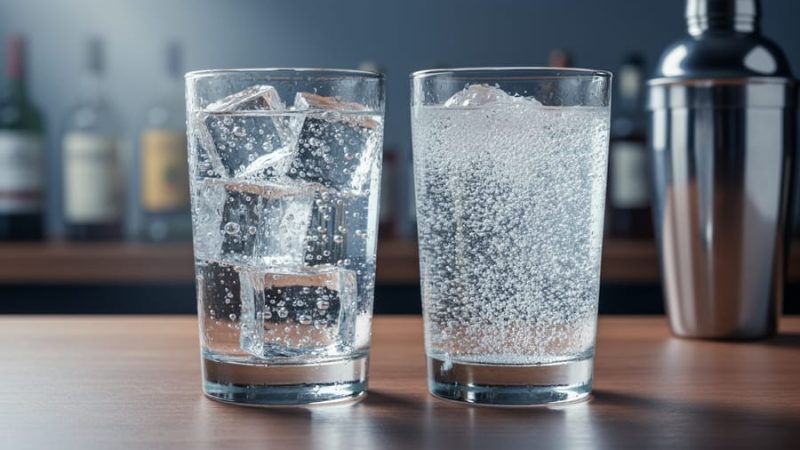
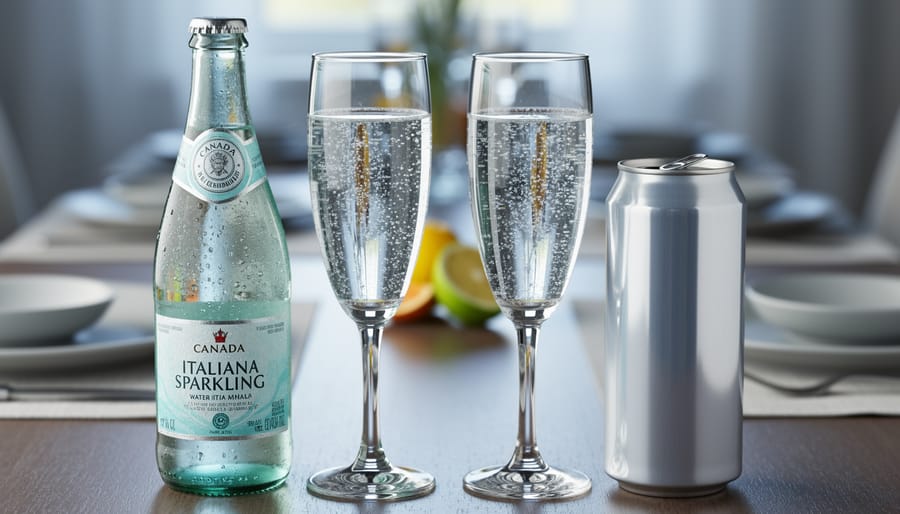
Italian sparkling water delivers pronounced minerality and terroir-driven flavor that seltzer simply can’t match, making it the clear choice for sipping neat or pairing with food, while seltzer’s neutral profile remains unbeatable for cocktails and everyday hydration. The difference comes down to source and processing: Italian sparkling water like San Pellegrino emerges naturally carbonated or carbon-enriched from mineral-rich springs in regions like Lombardy and Campania, carrying distinct taste signatures from dissolved calcium, magnesium, and bicarbonates. Seltzer, by contrast, is filtered municipal water injected with carbon dioxide under pressure, resulting in a clean, flavor-neutral bubble that won’t compete with spirits or botanicals in mixed drinks.
For Canadian beverage enthusiasts in 2026, access to authentic Italian sparkling water has never been easier. San Pellegrino products are widely stocked at Shoppers Drug Mart and Loblaws, with prices ranging from $2.99 for a single litre bottle to $28.99 for 12-pack cases of 750 ml glass bottles at major grocery chains. ReadyRefresh offers home and office delivery services for those who prefer bulk convenience, while specialty retailers like Beverage Universe carry 24-bottle packs in both 250 ml and 500 ml formats. This retail footprint means you can easily compare both categories side by side, tasting the difference between Bergamo’s limestone-filtered effervescence and the flat neutrality of carbonated tap water, then decide which belongs in your bar cart, dining table, or daily routine.
At-a-Glance: Italian Sparkling Water vs. Seltzer
When you’re standing in the beverage aisle or planning your next cocktail, knowing the real differences between Italian sparkling water and seltzer saves you time and money. Here’s what sets them apart:
| Feature | Italian Sparkling Water | Seltzer |
|---|---|---|
| Carbonation Source | Natural spring carbonation or CO₂ from the same geological source | Filtered water with mechanically injected CO₂ |
| Mineral Content | Rich in calcium, magnesium, bicarbonates (200-1,000+ mg/L TDS) | None; pure water and carbon dioxide only |
| Flavor Profile | Subtle mineral notes, sometimes slightly salty or alkaline | Clean, neutral, no flavor |
| Best Uses | Sipping standalone, aperitivo cocktails, pairing with food | Highballs, spritzes, mixing where you want a neutral base |
| Price Range (Canada, 2026) | $2.99 per liter to $3.39 per liter in bulk packs | $0.50 to $1.50 per liter, depending on brand |
The price difference reflects the production gap. Italian sparkling waters like San Pellegrino travel from protected springs in Lombardy and carry the mineral signature of their terroir, while seltzer is manufactured locally from municipal water supplies. Both have earned their place behind the bar and on the dinner table, but they serve distinct purposes.
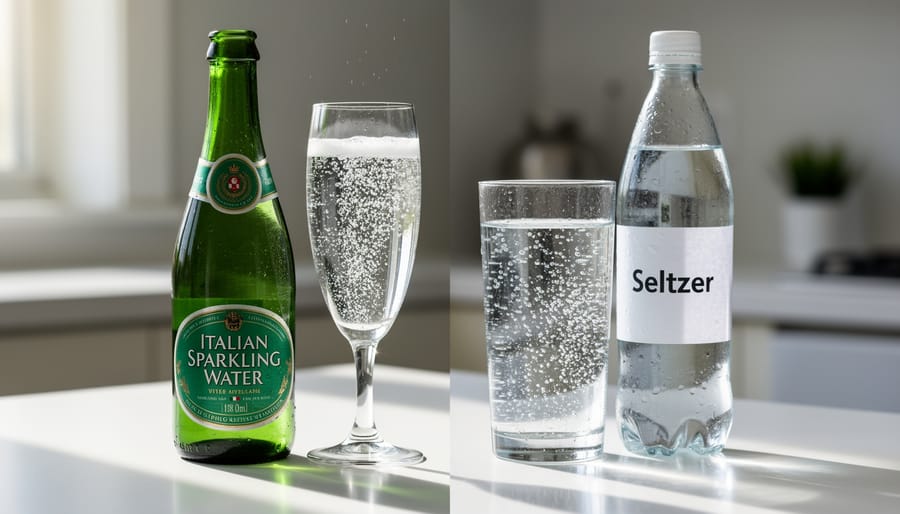
What Italian Sparkling Water and Seltzer Actually Are
Italian Sparkling Water: Mineralized and Sourced
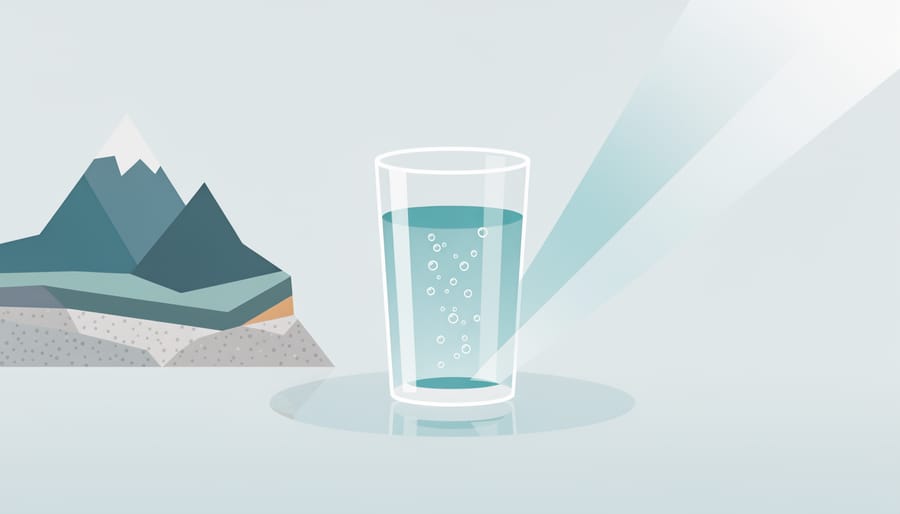
Italian sparkling water originates from protected underground springs where water naturally absorbs minerals, calcium, magnesium, bicarbonates, and trace elements, as it filters through layers of rock over decades or centuries. This geological journey creates a unique mineral fingerprint that defines each water’s character. The carbonation can occur naturally within the aquifer itself, or CO2 extracted from the same geological source is added back to maintain consistency and capture the water’s authentic effervescence.
San Pellegrino, perhaps the most recognized Italian sparkling water worldwide, flows from thermal springs in San Pellegrino Terme in Lombardy’s Brembana Valley. The region’s limestone deposits and alpine microclimate contribute to its distinctive mineral composition and balanced carbonation. Ferrarelle, sourced from the volcanic Riardo springs in Campania, offers a different mineral profile shaped by its volcanic terroir, with naturally occurring CO2 that creates finer, more persistent bubbles.
This concept of terroir, borrowed from wine, means that Italian sparkling waters taste noticeably different from one another. A Lombardy spring produces a softer, more alkaline water, while volcanic sources yield waters with sharper minerality and subtle sulfuric notes. These variations aren’t defects; they’re signatures of place, offering beverage enthusiasts a spectrum of flavor experiences that no mechanically carbonated water can replicate.
Seltzer: Pure Water, Mechanical Bubbles
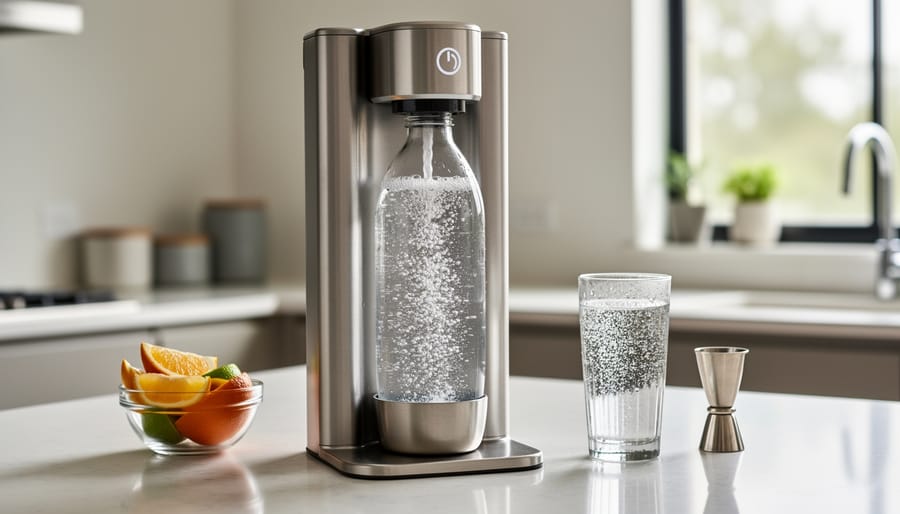
Seltzer is filtered tap water mechanically carbonated with pressurized carbon dioxide, nothing more, nothing less. Unlike its cousins club soda vs sparkling mineral water, seltzer contains no added minerals, salts, or flavorings. This purity is precisely the point: it delivers clean carbonation without altering the flavor profile of whatever it accompanies.
The term comes from the German town of Selters, known for its naturally carbonated springs, though modern seltzer bears little resemblance to that geographic origin. Today’s seltzer production follows a simple industrial process: purify water through filtration, chill it to increase CO₂ absorption, then inject carbon dioxide under pressure. The result is a neutral carbonated water definition that’s become a staple in bars and home kitchens across Canada and beyond.
For bartenders and home mixologists, seltzer functions as the ultimate blank canvas. It adds effervescence and dilution to highballs, lengthens spirits without competing flavors, and creates the refreshing lift in countless cocktails, from simple vodka sodas to complex Collinses, without introducing the mineral salts that might clash with delicate botanical notes or citrus elements. That neutrality is both its strength and its limitation.
The Key Differences That Matter for Your Glass

Taste and Mouthfeel
Seltzer delivers a blank slate: pure carbonation with no flavor interference, just sharp bubbles and a clean finish. It tastes like water with fizz, nothing more. That neutrality makes it a bartender’s workhorse, but it offers zero sensory complexity on its own.
Italian sparkling water, by contrast, brings flavor. San Pellegrino carries a faint mineral salinity and a touch of alkalinity that coats your palate, softening the carbonation’s bite. Ferrarelle leans earthier, with a subtle chalky note from its volcanic source. These aren’t strong flavors, you won’t mistake sparkling water for juice, but they’re unmistakable once you notice them.
The mineral content shapes mouthfeel directly. Calcium and magnesium create a rounder, almost creamy texture that lingers after you swallow. Seltzer vanishes instantly; Italian sparkling water leaves a gentle, slightly saline aftertaste that refreshes without disappearing. That persistence makes it satisfying as a standalone drink and adds subtle depth when you use it in a spritz or alongside food. The bubbles interact with the minerals, too, producing a finer, softer effervescence compared to seltzer’s sharper prickle.
Mineral Content and Composition
Italian sparkling water carries a measurable mineral signature that seltzer lacks entirely. San Pellegrino, for instance, contains calcium (approximately 200 mg/L), magnesium (around 55 mg/L), and bicarbonates that contribute to its alkaline pH and characteristic mouthfeel. Seltzer is simply carbonated filtered water with zero minerals, pure H₂O and CO₂.
This difference shows up in TDS (total dissolved solids) measurements. Italian sparkling waters typically register between 500 and 1,000 mg/L TDS, while seltzer sits at or near zero. Those dissolved minerals create the subtle flavor complexity, a faint saltiness, a soft finish, that distinguishes brands like Ferrarelle and San Pellegrino from the flat neutrality of seltzer.
The minerals also shift the hydration conversation. While both does it hydrate effectively, Italian sparkling water delivers trace electrolytes that some drinkers value for replenishment, especially alongside meals. Seltzer hydrates just as well but contributes nothing beyond water itself. The choice comes down to whether you want those minerals for flavor and perceived wellness benefits, or prefer a completely blank slate.
Carbonation Character
Carbonation isn’t one-size-fits-all, and the bubble experience separates Italian sparkling water from seltzer in ways that matter both to your palate and your cocktail glass.
Italian sparkling waters typically feature smaller, more delicate bubbles that cling to your tongue longer. The dissolved minerals, calcium, magnesium, bicarbonates, interact with the carbon dioxide to create a softer, creamier mousse. Pour a glass of San Pellegrino and you’ll notice the effervescence persists for several minutes, with bubbles rising steadily rather than exploding upward. This fine-bead carbonation gives Italian sparkling water its signature prickle and subtle tingle that complements rather than overwhelms the mineral flavor beneath it.
Seltzer delivers a different sensation: larger, more aggressive bubbles that hit your palate with immediate sharpness. Because it’s pure water and CO2 without mineral buffering, the carbonation feels more pronounced on first sip but fades faster once poured. That initial bite works beautifully in highballs where you want a clean, bracing fizz, but it lacks the staying power you get from naturally mineralized water. The bubbles dissipate within a minute or two, leaving still water behind where Italian sparkling maintains gentle effervescence throughout your drink.
Use in Cocktails and Culinary Applications
Bartenders reach for seltzer when they need invisible carbonation, it lifts a whiskey highball or gin and tonic without introducing flavor that competes with the spirit. The crisp, neutral bubbles vanish into the background, letting botanicals and base notes shine. For home mixologists exploring DIY carbonation seltzer offers maximum control and consistency across batches.
Italian sparkling water plays a different role entirely. San Pellegrino’s subtle minerality and persistent fine bubbles add textural depth to an Aperol Spritz, echoing the bitter-orange complexity rather than diluting it. In a Negroni Sbagliato, the calcium and magnesium ions interact with Campari’s herbal oils, creating a rounder mouthfeel than seltzer delivers. Professional bartenders use Italian sparkling water strategically in Italian aperitivo serves where that whisper of salinity and alkalinity enhances rather than obscures.
Beyond the glass, Italian sparkling water excels at the table, served alongside rich pasta dishes or charcuterie, its minerality cleanses the palate between bites. Seltzer, by contrast, refreshes without contributing flavor, making it the workhorse for high-volume mixing and everyday hydration.
Where to Buy Italian Sparkling Water in Canada
Grocery and Pharmacy Chains
Canada’s two largest retail chains make Italian sparkling water remarkably accessible, with San Pellegrino leading the selection across both in-store and online channels.
Loblaws stocks San Pellegrino in multiple formats that suit different buying habits. The 12 x 750 ml multi-pack runs $28.99, working out to roughly $2.42 per bottle, ideal if you’re stocking up for a dinner party or keeping a case in the pantry. Single 1-liter bottles sell for $2.99 each, a practical choice when you want to grab one or two bottles with your regular groceries without committing to a full case. You’ll find these in the water aisle at most Loblaws-owned stores, including No Frills and Zehrs.
Shoppers Drug Mart carries San Pellegrino through its online platform, listed under both the Grocery & Household and Water categories. While selection varies by location, the online ordering system lets you check local availability before heading out, and many stores offer in-store pickup, convenient when you’re already running errands or picking up prescriptions. The pharmacy chain’s national reach means even smaller communities that lack specialty beverage shops often have access through their local Shoppers.
Both retailers restock regularly, making spontaneous Aperol Spritz plans entirely feasible without advance planning.
Specialty Beverage Retailers and Online Ordering
For dedicated beverage enthusiasts willing to buy in bulk, specialty online retailers offer Italian sparkling water in case quantities that reduce per-bottle cost, though you’ll sacrifice the convenience of walking into a store.
Beverage Universe stocks San Pellegrino in two glass bottle formats: 250 ml bottles sold as 24-bottle packs for $76.67, and 500 ml bottles in 24-bottle cases for $81.18. The smaller format works well for individual servings at events or for portion control, while the 500 ml size offers better value per liter and suits shared meals or longer sipping sessions. Glass bottles preserve the water’s flavor profile better than plastic, and the case format means fewer shopping trips if you’re a regular consumer.
ReadyRefresh takes a different approach, offering home or office delivery service for S.Pellegrino Sparkling Natural Mineral Water. This subscription-style model suits high-volume users, think home bars, small offices, or families who drink sparkling water daily, but typically requires minimum order quantities and scheduled deliveries rather than on-demand purchasing.
The trade-off is straightforward: bulk ordering from specialty retailers cuts your per-bottle expense and ensures you won’t run out mid-aperitivo hour, but it demands upfront investment and storage space. If you’re stocking a home bar or hosting regularly, case buying makes sense. Casual drinkers will find grocery chains more practical.
What to Look for When Buying
When shopping for Italian sparkling water, start with the bottle material. Glass bottles preserve the delicate mineral profile and carbonation better than plastic, which can impart off-flavors over time and allow CO₂ to escape. If you’re buying for immediate consumption, plastic may be fine, but glass is the gold standard for Italian brands like San Pellegrino.
Check the production or best-by date printed on the bottle. Fresher water retains livelier carbonation and cleaner flavor. Mineral water doesn’t spoil, but bubbles weaken and minerals can settle after extended storage, so aim for bottles with at least several months remaining before the best-by date.
Read the mineral content label, typically printed on the back. Look for the total dissolved solids (TDS) figure and the breakdown of calcium, magnesium, and bicarbonates. Higher TDS means more pronounced flavor and mouthfeel. Compare these specs across brands to find your preferred mineral intensity.
Finally, calculate price-per-liter to compare value across package sizes. A 12-pack of 750 ml bottles might cost more per liter than single 1 l bottles, but bulk glass cases often offer better long-term value if you drink it regularly.
Who Should Choose Italian Sparkling Water, and Who Should Stick with Seltzer
Choose Italian Sparkling Water If…
Italian sparkling water deserves a place in your fridge if you value complexity in every sip. Those who appreciate the subtle interplay of minerals, the slight saline edge of San Pellegrino, the alkaline finish of Ferrarelle, will find these waters far more engaging than plain seltzer. If you’re building a home bar with attention to Italian aperitivo traditions, these bottles become essential: they’re the foundation of an authentic Aperol Spritz and add dimension to a Negroni Sbagliato in ways neutral carbonation cannot replicate.
Food pairing enthusiasts should lean toward Italian sparkling water. The mineral content cleanses the palate between courses without stripping flavor, making it a natural companion to charcuterie, pasta, or seafood. It’s also worth considering if you’re consciously seeking calcium and magnesium intake through your beverages rather than relying solely on supplements.
Budget matters less if you prioritize the drinking experience itself. Yes, you’ll pay a premium, around $2.99 per liter at Canadian grocers versus pennies for homemade seltzer, but the terroir-driven character justifies the cost for those treating water as a beverage category deserving the same care as wine or coffee. For similar category decisions in cocktail mixing, the Limoncello vs seltzer debate follows comparable logic: authenticity and flavor depth versus neutral versatility.
Choose Seltzer If…
Seltzer is the smarter choice if budget matters. At a fraction of the cost of imported Italian water, often under a dollar per liter when made at home with a SodaStream or similar carbonator, it offers unbeatable value for daily hydration and frequent cocktail mixing. You’re paying only for CO2 and tap water, not transatlantic shipping or premium branding.
Choose seltzer when you need a neutral base that won’t compete with other flavors. Bartenders reach for it in highballs, gin and tonics (when not using actual tonic), and whiskey sodas precisely because it adds effervescence without mineral notes that might clash with the spirit’s profile. If you’re mixing multiple drinks for a party or experimenting with new recipes, seltzer’s blank-slate character gives you maximum control.
Home carbonation enthusiasts will find seltzer the natural fit. A countertop machine lets you dial in your preferred bubble intensity, carbonate on demand, and skip the recycling pile of glass bottles. For anyone who drinks sparkling water throughout the day rather than savoring it with meals, seltzer’s simplicity and cost efficiency make it the practical everyday option.
What Each Option Is
Italian sparkling water is naturally sourced mineral water, drawn from underground springs, predominantly in Italy, that carries a distinct mineral profile shaped by the geology it filters through. These waters contain dissolved minerals like calcium, magnesium, and bicarbonates, which give each brand a signature taste and mouthfeel. The carbonation can occur naturally at the source or be added using carbon dioxide from the same aquifer, preserving the water’s terroir. San Pellegrino from Lombardy and Ferrarelle from Campania exemplify this category, offering subtle mineral complexity that ranges from delicately effervescent to assertively bubbly.
Seltzer, by contrast, is plain filtered water that’s been mechanically carbonated with pressurized carbon dioxide. It contains no added minerals, salts, or flavorings, just pure water and bubbles. Originally popularized in the United States and Germany, seltzer serves as a neutral, refreshing base for cocktails and everyday hydration. Its clean, blank-slate character makes it the default choice for bartenders who want carbonation without altering a drink’s intended flavor profile, while Italian sparkling water brings its own distinct personality to the glass.
Common Questions About Italian Sparkling Water and Seltzer
Is Italian sparkling water healthier than seltzer?
Italian sparkling water contains naturally occurring minerals like calcium, magnesium, and bicarbonates that contribute to your daily mineral intake, while seltzer is just carbonated filtered water with no minerals. Whether this makes it “healthier” depends on your diet, if you’re getting adequate minerals elsewhere, seltzer is perfectly fine for hydration, but Italian sparkling water offers a modest nutritional edge.
Can you substitute seltzer for sparkling water in cocktails?
Yes, they’re interchangeable in most cocktails, though the swap will change the drink’s character slightly. Seltzer keeps the focus on your spirits and other ingredients with its neutral profile, while Italian sparkling water adds subtle mineral complexity that can enhance drinks like spritzes or Negroni Sbagliatos.
Does Italian sparkling water go flat faster than seltzer?
Actually, the opposite is often true. The mineral content in Italian sparkling water helps stabilize carbonation, creating finer bubbles that persist longer in the glass. Seltzer’s aggressive carbonation can feel sharper initially but tends to dissipate more quickly once the bottle is opened or poured.
Why does San Pellegrino cost more than seltzer?
You’re paying for sourcing from a specific Italian spring, the natural mineralization process, international shipping, and premium glass bottle packaging that preserves flavor. At Canadian retailers like Loblaws, a 1 L bottle runs $2.99 compared to generic seltzer at under a dollar per liter, reflecting these production and import costs.
Are the bubbles actually different between Italian sparkling water and seltzer?
Absolutely. Italian sparkling water typically has smaller, more persistent bubbles due to the interaction between CO₂ and dissolved minerals, creating a creamy mouthfeel. Seltzer bubbles are larger and sharper, giving that aggressive fizz sensation but breaking down faster on your palate.
Beyond these common questions, confusion often arises around terminology. Many Canadians use “sparkling water” and “seltzer” interchangeably when shopping, not realizing they’re distinct categories with different production methods and flavor profiles. If you’ve ever wondered why your San Pellegrino tastes different from your SodaStream output, it’s not just carbonation strength, it’s the mineral composition and terroir.
The price gap also raises eyebrows among first-time buyers at Shoppers Drug Mart or Beverage Universe. When you see a 24-bottle pack of San Pellegrino 500 ml bottles listed at $81.18, it seems steep compared to seltzer. But consider what you’re buying: water that traveled from a Lombardy spring with a specific geological mineral profile, bottled in glass to prevent flavor contamination, and shipped across the Atlantic. For cocktail enthusiasts crafting authentic Italian aperitivo at home, that authenticity justifies the premium.
Another frequent point of confusion involves carbonation levels on labels. “Sparkling” doesn’t indicate intensity, some Italian sparkling waters have gentle effervescence while others approach seltzer’s aggressive fizz. Check the bottle’s fine print or taste before committing to a case order through ReadyRefresh’s delivery service, especially if you’re sensitive to carbonation strength.
Italian sparkling water and seltzer both earn their place in your glass, but they serve different purposes. If you crave nuanced flavor, mineral complexity, and the quiet sophistication of terroir, Italian sparkling water, especially from storied sources like San Pellegrino and Ferrarelle, delivers an experience that elevates both sipping and cocktail-making. When you want a neutral canvas for highballs, a budget-friendly everyday mixer, or the clean simplicity of pure carbonation, seltzer does the job without fuss or added cost.
The good news for Canadian drinkers in 2026 is that you don’t have to choose just one. Italian sparkling waters are widely accessible across Loblaws, Shoppers Drug Mart, specialty beverage retailers like Beverage Universe, and delivery services such as ReadyRefresh. Whether you’re stocking up on 750 ml bottles for dinner parties or ordering bulk packs online, the options are plentiful and the pricing transparent. Seltzer, meanwhile, remains ubiquitous and affordable at every grocery store, pharmacy, and corner shop.
Your palate is the final arbiter. Mix a spritz with both and taste the difference. Sip each on its own over ice. If you’ve explored the Waterloo vs seltzer comparison, you already know how subtle shifts in carbonation and minerality reshape what’s in your glass. Italian sparkling water isn’t inherently better than seltzer, and seltzer isn’t a compromise, each excels in its own context. Stock both, experiment freely, and let your drinking habits and cocktail ambitions guide the choice.