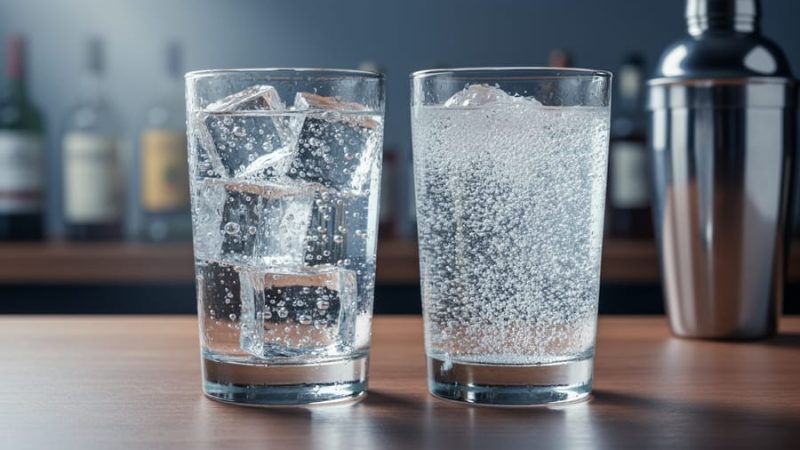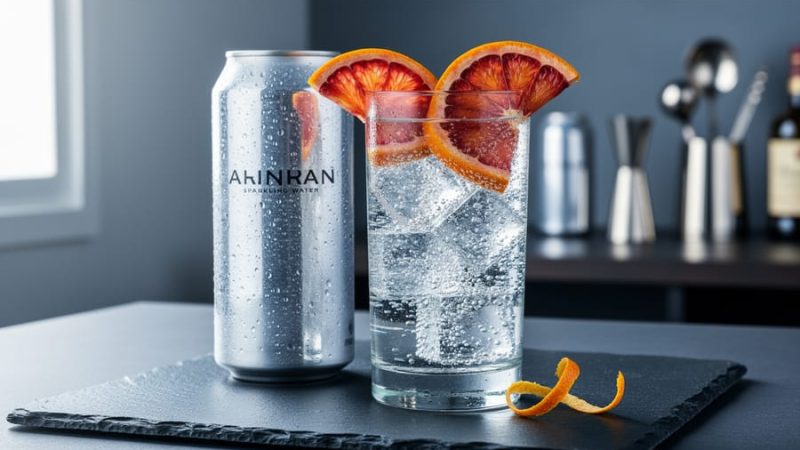
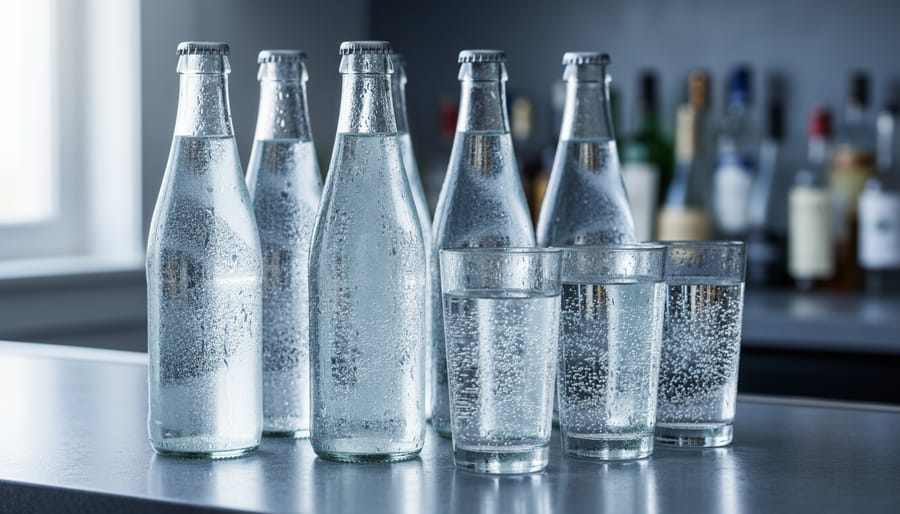
Yes, sparkling water hydrates you just as effectively as still water. Despite the fizz and bubbles, carbonated water consists of regular H2O molecules with dissolved carbon dioxide gas, and your body absorbs the liquid portion exactly as it would from a flat glass of water.
This matters for anyone building a thoughtful beverage program or tracking personal hydration goals. Whether you’re a bartender staying sharp through a double shift, a home mixologist experimenting with soda water in cocktails, or simply someone who prefers bubbles over flat water, you can count every ounce of sparkling water toward your daily fluid intake without worry.
The science backs this up convincingly. A 2015 randomized trial published in the American Journal of Clinical Nutrition by RJ Maughan and colleagues tested the hydration power of various beverages against still water, developing what they called a beverage hydration index. The research, cited by the National Library of Medicine, confirmed that carbonation doesn’t interfere with your body’s ability to absorb and use water for hydration.
For beverage professionals and enthusiasts alike, this has practical implications. Club soda, seltzer, and other sparkling waters serve double duty as mixology essentials and legitimate hydration sources throughout your day.
What Sparkling Water Actually Is
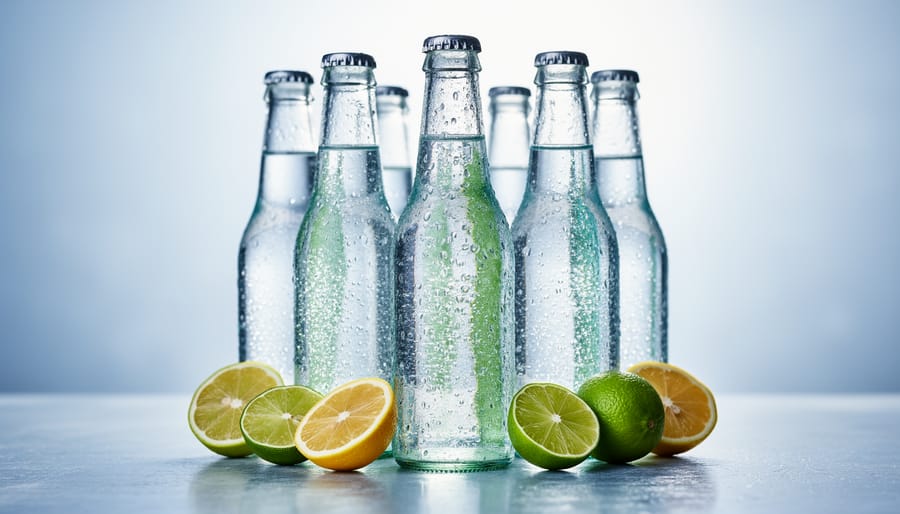
Sparkling water is regular H2O infused with carbon dioxide gas under pressure, creating the bubbles and fizz that give it its characteristic effervescence. The carbonation process doesn’t change the water’s molecular structure or its fundamental properties, it simply dissolves CO2 into the liquid, which is released as bubbles when you open the bottle or pour a glass.
- Carbonation
- The process of dissolving carbon dioxide gas into water under pressure, creating bubbles and a slightly acidic, tangy taste. The CO2 remains dissolved until pressure is released.
- CO2 Infusion
- The mechanical process of forcing carbon dioxide into water at high pressure, typically 3-4 atmospheres, which allows more gas to dissolve than would naturally occur at normal pressure.
- Dissolved Gas
- Carbon dioxide molecules that have been integrated into the water and remain invisible until pressure drops, at which point they form the visible bubbles characteristic of sparkling water.
- Sparkling vs. Still Water
- The only chemical difference between sparkling and still water is the presence of dissolved CO2. Both contain the same H2O molecules that hydrate your body.
The key point for anyone concerned about hydration: sparkling water’s base is still regular water. The bubbles might create a different sensory experience and can make your stomach feel fuller, but they don’t alter the water molecules themselves. Whether naturally carbonated from a mineral spring or artificially carbonated in a factory, sparkling water delivers the same H2O your body needs. The carbonation adds nothing that interferes with your body’s ability to absorb and use that water for hydration.
How Sparkling Water Hydrates Your Body
The Science: What Research Shows
The question of whether carbonation affects hydration isn’t just theoretical, it’s backed by peer-reviewed research. A 2015 study published in the American Journal of Clinical Nutrition put the debate to rest with hard data.
Researchers led by RJ Maughan tested the hydration effectiveness of 1 liter of various beverages against plain still water. The goal was to develop a beverage hydration index that could objectively measure how different drinks affect hydration status when consumed in a euhydrated state (when you’re already properly hydrated). This matters for bartenders and mixologists who need to maintain hydration throughout long shifts.
The findings were clear: sparkling water as hydrating as still water. The carbonation made zero difference in how effectively the body absorbed and used the water. Whether flat or fizzy, your cells received the same hydration benefit.
For beverage professionals who prefer the crisp bite of bubbles over flat water, this research confirms you’re not compromising your hydration. The CO2 passes through your system separately from the H2O molecules doing the actual hydrating work. Your kidneys, cells, and overall fluid balance treat both types identically.
Types of Sparkling Water and Their Hydration Properties
Not all sparkling water is created equal when it comes to hydration. While the bubbles themselves don’t affect how your body absorbs water, what else is in the bottle matters. Understanding the differences helps you choose the right type for keeping hydrated during long bar shifts or tasting sessions.
The main categories break down like this:
- Plain sparkling water: Just water and CO2, hydrates identically to still water
- Mineral water: Naturally occurring minerals may add trace sodium, still fully hydrating
- Seltzer: Pure carbonated water with no additives, matches still water for hydration
- Club soda: Contains added minerals including sodium (typically 50-75mg per serving), which can slightly enhance fluid retention
- Flavored sparkling water: Hydration depends entirely on what’s added, unsweetened varieties work fine, while sweetened versions may be less effective
The club soda vs sparkling water debate often centers on sodium content. A bit of sodium isn’t necessarily bad for hydration, it can actually help your body retain fluid, which is why sports drinks include it. However, if you’re watching your sodium intake, plain seltzer gives you the same hydration without the salt.
If you make sparkling water at home, you’re essentially creating pure seltzer with complete control over what goes in. This is ideal for hydration because you avoid any additives entirely.
Watch out for flavored varieties. Natural essences without sweeteners won’t affect hydration, but artificial sweeteners, sugar, or fruit juice concentrates change the equation. These additions can slow absorption or add calories you might not want during a shift. The elderflower vs seltzer comparison illustrates this: plain seltzer hydrates better than sweetened flavored waters, even natural ones.
For pure hydration purposes, stick with unflavored options, plain sparkling, seltzer, or mineral water. They’ll keep you hydrated just as effectively as tap water, with or without the fizz.
Does Sparkling Water Count Toward Your Daily Water Intake?
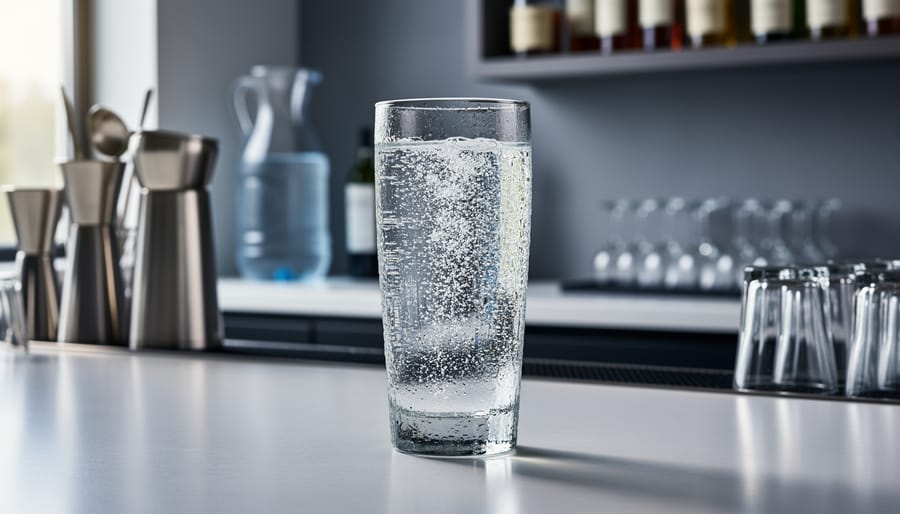
Yes, sparkling water counts fully toward your daily water intake. The 8-glass guideline (roughly 64 ounces) applies whether you choose still or sparkling, both hydrate your body equally. The carbonation doesn’t dilute or diminish the water content, so a glass of sparkling water delivers the same hydration as its flat counterpart.
For bartenders and mixologists working 8-hour shifts, this matters. You can reach for a bottle of plain sparkling water between cocktails and know you’re staying properly hydrated, not just refreshing your palate. The bubbles provide a sensory break from tasting spirits and syrups without adding sugar, caffeine, or empty calories that might leave you more dehydrated by the end of service.
The only caveat: stick to unflavored, unsweetened sparkling water for this 1:1 substitution. Varieties with added sodium (like some club sodas) or artificial sweeteners introduce variables that aren’t present in pure H2O, though they still contribute to hydration. Plain sparkling water, whether it’s naturally carbonated mineral water or CO2-injected seltzer, functions identically to tap water for meeting your body’s fluid needs.
If you prefer bubbles, there’s no reason to force yourself to drink flat water. Your kidneys, cells, and overall hydration status can’t tell the difference between the two.
How Beverage Professionals Use Sparkling Water for Hydration
Behind the bar during a busy Friday night, hydration becomes a professional necessity, not a preference. Bartenders and mixologists routinely work eight-hour shifts on their feet, constantly moving between shaking cocktails, reaching for bottles, and engaging with guests. Sparkling water offers a practical solution: it provides full hydration without the sugar crash of soft drinks or the diuretic effects of caffeinated sparkling water or coffee.
Many professionals keep bottles of plain sparkling water at their stations, sipping between orders to maintain energy levels and mental clarity. The carbonation provides a refreshing sensation that plain water sometimes lacks, making it easier to drink consistently throughout a shift. For Tiki bartenders working with complex, multi-ingredient cocktails that require precise measurements and layering techniques, staying sharp matters.
Sparkling water also functions as an effective palate cleanser during tastings and recipe development sessions. When sampling multiple spirits or cocktail variations, the bubbles help reset your taste buds more thoroughly than still water alone. The carbonation lifts residual flavors and oils from your palate, preparing you for the next sample without the heaviness of tonic or the sweetness of club soda.
Some bar teams incorporate sparkling water into their pre-shift routines, drinking a glass before service begins to establish baseline hydration. Since it hydrates as effectively as still water, this practice counts fully toward daily intake while offering the sensory variety that helps professionals actually drink enough during demanding shifts.
Common Questions About Sparkling Water and Hydration
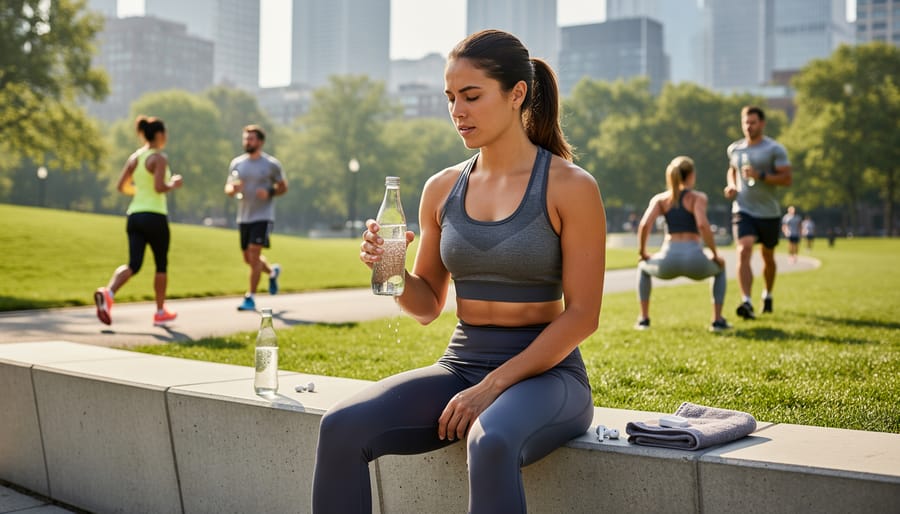
Is sparkling water as hydrating as regular water? Yes, sparkling water hydrates just as effectively as still water. The carbonation doesn’t interfere with your body’s ability to absorb the water molecules it needs for cellular hydration. The 2015 study published in the American Journal of Clinical Nutrition by RJ Maughan and colleagues tested 1 liter of various beverages and found that sparkling water performs essentially the same as still water when measuring hydration status.
Behind the bar or during extended tasting sessions, this means you can confidently reach for sparkling water when you need genuine hydration. The bubbles might make you feel fuller faster, but they won’t prevent your body from absorbing the fluid.
Does carbonation interfere with water absorption?
No, carbonation doesn’t prevent your body from absorbing water. The carbon dioxide bubbles are released as gas through burping, while the water itself is absorbed through your digestive system just like still water.
Can you drink only sparkling water for hydration?
Yes, you can rely exclusively on sparkling water to meet your daily hydration needs. However, the carbonation may cause bloating or fullness that makes it harder to drink large quantities quickly, so some people prefer mixing sparkling and still water throughout the day.
What’s more hydrating, sparkling or still water?
Neither is more hydrating, they’re equally effective. The beverage hydration index developed in the 2015 randomized trial showed no meaningful difference between carbonated and non-carbonated water when testing their hydration potential.
For bartenders working through busy shifts, the practical consideration comes down to preference and comfort. If carbonation causes gas or makes you feel too full to drink enough, still water might be the better choice for staying ahead of dehydration. But if you enjoy the bubbles and they help you drink more overall, sparkling water will hydrate you just as well.
Sparkling water hydrates you just as effectively as still water and counts fully toward your daily fluid intake. The bubbles change the texture and mouthfeel, not the hydration capacity. For bartenders, mixologists, and beverage enthusiasts working long shifts or moving between tastings, sparkling water offers a refreshing alternative that delivers the same cellular hydration as flat water.
Stick with plain, unsweetened sparkling water for optimal hydration. Added sodium in club soda or sweeteners in flavored varieties won’t drastically undermine hydration, but they introduce ingredients your body doesn’t need when the goal is simply rehydrating. Whether you’re behind the bar, experimenting with Tiki recipes at home, or just prefer bubbles in your glass, you can confidently count every ounce of sparkling water toward your hydration goals.