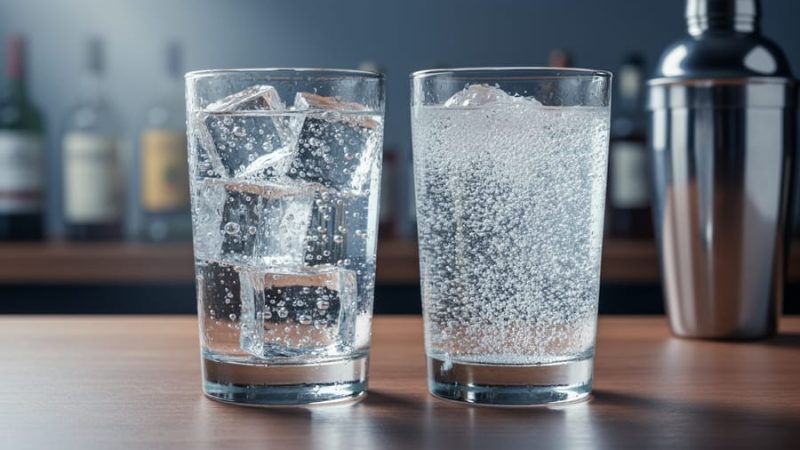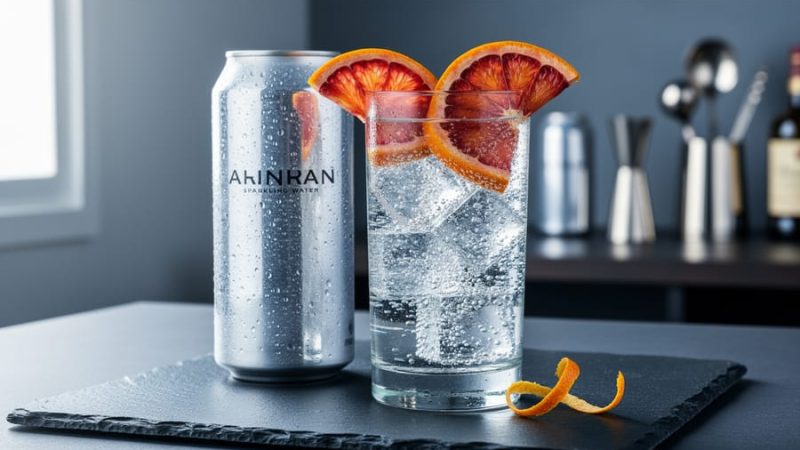
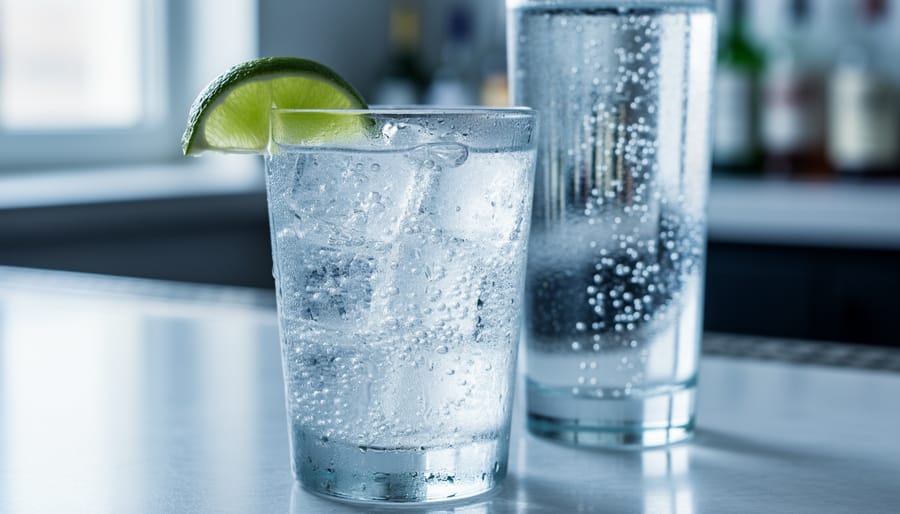
Club soda is artificially carbonated water to which mineral salts have been added, typically including sodium bicarbonate, sodium citrate, and potassium sulfate. These minerals give it a subtly salty, slightly mineral flavor that distinguishes it from plain carbonated water. For anyone mixing drinks or simply trying to understand the fizzy water aisle, knowing what sets club soda apart from seltzer and sparkling water isn’t just trivia, it’s the difference between a balanced cocktail and a flat disappointment.
The confusion around club soda makes sense. Walk into any grocery store and you’ll face a wall of bubbly options, many with similar packaging and vague labels. Canada Dry’s club soda, for instance, lists carbonated water, sodium bicarbonate, sodium citrate, potassium sulfate, and disodium phosphate on its ingredient panel, with sodium content reaching 115 mg per serving. Compare that to seltzer, which contains only H2O and CO2, or naturally sparkling mineral water, which gets its fizz and minerals straight from the spring or well where it’s sourced.
This mineral content isn’t an accident. Bartenders and home mixologists have long relied on club soda’s mild salinity to enhance the flavors in highballs, spritzes, and tropical drinks. The sodium and other mineral salts act as flavor enhancers, rounding out spirits and citrus in ways that plain seltzer simply can’t match. Understanding what club soda brings to the glass helps you make smarter choices whether you’re crafting a classic Tom Collins or simply looking for a refreshing mixer that does more than add bubbles.
What Club Soda Actually Is
Club soda is artificially carbonated water with added mineral salts that give it a subtly salty taste and slightly different mouthfeel than plain carbonated water. Unlike seltzer, which contains only H2O and CO2, club soda includes specific minerals that affect both its flavor profile and how it performs in cocktails.
The mineral composition varies by brand, but Canada Dry’s formulation offers a representative example of what you’ll find in most club sodas:
- Sodium Bicarbonate
- A mineral salt that contributes to club soda’s characteristic slight saltiness and helps balance acidity in drinks.
- Sodium Citrate
- Acts as both a flavoring agent and pH buffer, adding a subtle citrus-like quality while stabilizing the water’s acidity.
- Potassium Sulfate
- A mineral compound that enhances the overall mineral complexity and mouthfeel of the carbonated water.
- Disodium Phosphate
- Helps regulate acidity levels and contributes to the clean, crisp taste profile that makes club soda ideal for mixing.
These mineral additions result in a sodium content of around 115 mg per serving in Canada Dry’s version (about 5% of daily recommended intake). That might sound negligible, but it’s enough to create a noticeable flavor difference from seltzer or naturally carbonated sparkling water.
The carbonation itself is added mechanically through pressurized CO2 injection, the same method used for seltzer. What sets club soda apart isn’t how it gets its bubbles, it’s what else is in the bottle. Those mineral salts don’t just sit there; they interact with the carbonation and with other ingredients when you mix drinks, which is why seasoned bartenders reach for club soda in specific cocktails rather than treating all fizzy water as interchangeable.
How Club Soda Gets Its Bubbles and Flavor
Club soda gets its carbonation through a mechanical process: manufacturers force carbon dioxide gas into purified water under pressure. When CO2 dissolves in water, it forms carbonic acid (H2O + CO2), creating those signature bubbles and a slightly tart edge. This is artificial carbonation, meaning it happens in a factory rather than underground in a mineral spring.
What sets club soda apart isn’t just the bubbles, it’s what comes after. Once carbonated, the water receives a blend of mineral salts. Canada Dry’s formulation, for example, includes sodium bicarbonate, sodium citrate, potassium sulfate, and disodium phosphate. These minerals serve a purpose beyond chemistry: they give club soda its characteristic slightly salty taste and fuller mouthfeel compared to plain seltzer.
The sodium content is the most noticeable difference. Canada Dry’s club soda contains 115 mg of sodium per serving (5% of the daily value). You won’t find that in seltzer, which is strictly H2O and CO2 with nothing else added. You also won’t typically find it in most commercially available sparkling waters, even though naturally carbonated mineral waters can contain sodium picked up from their underground source.
This chemical composition, carbonated water plus a specific mineral blend, is what makes club soda club soda. It’s engineered for a purpose: those minerals don’t just add flavor, they interact with other ingredients in cocktails, balancing sweetness and enhancing certain spirits in ways that plain carbonated water can’t match.
The Three Types of Fizzy Water
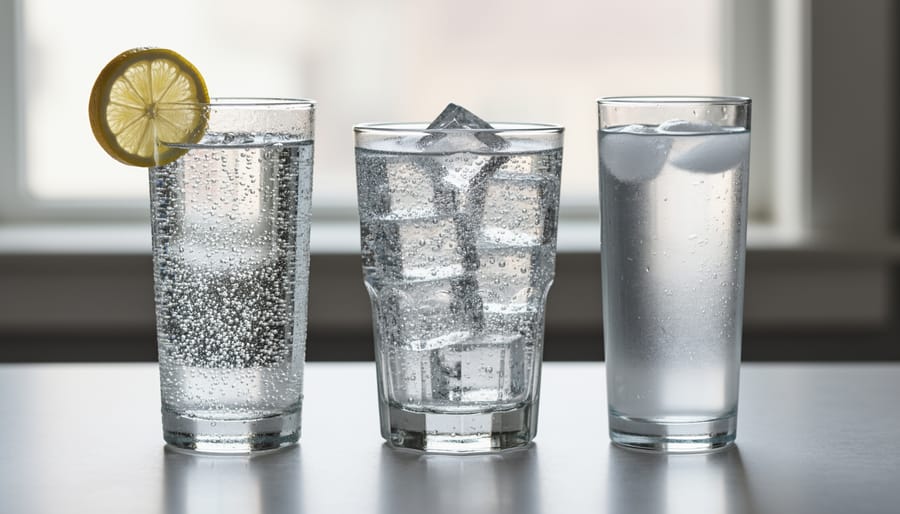
Club Soda: Carbonation Plus Minerals
Club soda stands out from its fizzy cousins through a deliberate manufacturing process. Producers start with plain water, inject carbon dioxide under pressure to create carbonation, then add a specific blend of mineral salts. Canada Dry’s formulation offers a clear example: carbonated water plus sodium bicarbonate, sodium citrate, potassium sulfate, and disodium phosphate. This mineral addition serves two purposes, it enhances mouthfeel and creates club soda’s characteristic subtle salinity.
The sodium content is worth noting for cocktail work. Canada Dry’s club soda contains 115 mg of sodium per serving (5% of daily value), which translates to a faint salty edge that can either complement or clash with your drink ingredients. That mineral profile distinguishes club soda from seltzer, which contains zero additives beyond CO2, and from naturally carbonated sparkling water, where minerals occur as part of the source rather than through controlled addition.
Seltzer: Pure Carbonated Water
Seltzer sits at the opposite end of the spectrum from club soda, it’s carbonated water in its purest form. Unlike club soda, seltzer is just water (H2O) infused with carbon dioxide (CO2), and that’s it. No sodium bicarbonate, no potassium sulfate, no mineral salts whatsoever. This minimalist approach means seltzer has a clean, neutral taste without the subtle saltiness you’ll find in club soda. It’s artificially carbonated, just like club soda, but the ingredient list stops after those two components. For bartenders and home mixologists, this makes seltzer the go-to choice when you want fizz without any flavor interference, ideal for delicate cocktails where you need carbonation but don’t want minerals altering the drink’s profile.
Sparkling Water: Nature’s Bubbles
Sparkling water bubbles up from underground springs or wells, picking up minerals like sodium, magnesium, and calcium as it filters through rock and soil. Unlike club soda’s factory-added carbonation, sparkling water traps carbon dioxide naturally during its journey underground, giving it effervescence straight from the source. The mineral profile varies wildly depending on the spring, some brands taste almost sweet, while others carry a crisp, mineral-forward bite. That natural minerality is the heart of the club soda vs sparkling water debate for mixologists: sparkling water’s flavor complexity can enhance or clash with cocktail ingredients in ways club soda’s predictable mineral blend won’t.
Why Club Soda Contains Sodium (and Why It Matters)
The mineral salts in club soda aren’t just random additives, they serve a specific purpose that matters when you’re mixing drinks. Manufacturers add compounds like sodium bicarbonate, sodium citrate, potassium sulfate, and disodium phosphate to create a subtle salinity that enhances the mouthfeel and provides a slight flavor base that plain carbonated water lacks.
That sodium content is measurable. Canada Dry’s club soda contains 115 mg of sodium per serving, about 5% of the daily recommended intake. It’s not enough to taste overtly salty, but it is sufficient to add body and a faint mineral edge that can complement or contrast with other ingredients in a cocktail.
This is where club soda diverges from seltzer and most sparkling waters in practical use. Seltzer is pure H2O and CO2, nothing else, completely neutral. Sparkling water may contain naturally occurring minerals from its source, but those minerals vary by brand and usually include magnesium and calcium alongside sodium, creating a different taste profile altogether.
For cocktails, that sodium matters because it can subtly amplify flavors, much like a pinch of salt brightens a dish. In a rum highball or a fizzy tiki drink, club soda’s mineral content adds structure without competing with citrus, syrups, or spirits. It’s why bartenders often reach for club soda specifically rather than treating all carbonated waters as interchangeable. The bubbles may look the same, but the chemistry underneath shapes how your drink tastes and feels.
How to Use Club Soda in Cocktails and Drinks
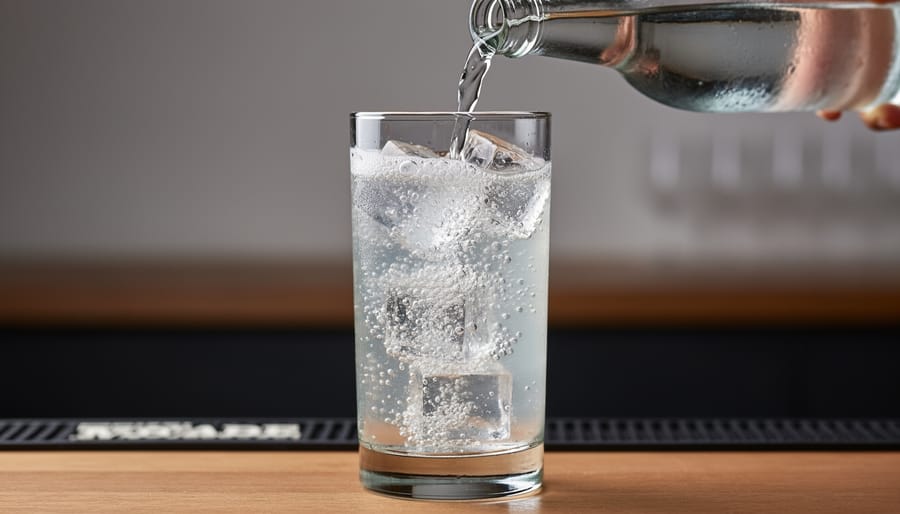
Club soda shines in mixed drinks where you want carbonation plus a subtle mineral backbone to support other flavors. The slightly salty character from those added mineral salts enhances sweet and sour elements without diluting them, making club soda ideal for highballs, spritzes, and tropical cocktails where you need lift and texture. Understanding when to reach for club soda instead of seltzer or sparkling water comes down to flavor balance, club soda’s minerals play a supporting role that can make or break a drink.
Classic highballs like whiskey soda, vodka soda, and gin and tonic variations (though technically that last one uses tonic water, see our guide on tonic vs club soda for the distinction) all benefit from club soda’s mineral content. The sodium and potassium sulfate add body and help the carbonation feel more integrated with the spirit rather than just sitting on top. In tiki drinks like the Zombie or Mai Tai variations that call for a splash of soda, club soda’s minerals complement the complex blend of rums, citrus, and syrups without washing them out.
Common cocktails that specifically benefit from club soda include:
- Tom Collins and other Collins family drinks where the minerals balance lemon juice and simple syrup
- Aperol Spritz and similar wine-based spritzes where club soda’s salinity enhances the bitter-sweet profile
- Mojitos and other muddled-mint cocktails where the minerals support rather than flatten the fresh herb notes
- Campari sodas and bitter aperitifs where sodium content amplifies the herbal complexity
Choose seltzer when you want pure carbonation with zero flavor contribution, perfect for fruity mocktails or delicate gin drinks where any mineral taste would interfere. Sparkling water works best in simple refreshers where natural mineral complexity adds interest on its own. For more easy cocktail ideas that showcase these differences, experiment with the same recipe using club soda versus seltzer to taste how those mineral salts change the final drink.
How Club Soda Works
Club soda’s mechanism is straightforward: manufacturers inject pressurized carbon dioxide into purified water, then add a carefully measured blend of mineral salts. The CO2 dissolves into the water under pressure, forming carbonic acid, the same weak acid that gives all carbonated drinks their characteristic bite and slightly lower pH.
When you crack open a bottle, the pressure drops instantly. Those dissolved CO2 molecules escape as bubbles, creating the fizz you see. But here’s what sets club soda apart from plain seltzer: the mineral salts remain dissolved in the water even after the bottle is opened.
The sodium bicarbonate, sodium citrate, potassium sulfate, and disodium phosphate don’t just sit there. They interact with your taste receptors and slightly buffer the carbonic acid, creating a rounder, less sharp carbonation compared to seltzer’s clean bite. This mineral presence also affects the water’s mouthfeel and how it carries flavors in mixed drinks.
Think of it as a two-stage process: the carbonation provides the bubbles and acidity, while the minerals shape how those bubbles feel and taste. The result is a carbonated water with enough flavor complexity to stand up in cocktails without overpowering the other ingredients.
Frequently Asked Questions
Is club soda the same as sparkling water?
No. Club soda is artificially carbonated water with added mineral salts like sodium bicarbonate and potassium sulfate, while sparkling water is naturally carbonated from springs or wells and contains naturally occurring minerals including sodium, magnesium, and calcium.
Does club soda contain sodium?
Yes. Club soda contains added sodium from mineral salts, Canada Dry’s formulation lists 115 mg of sodium per serving (5% of daily value). This is a key difference from seltzer, which contains no sodium or minerals.
What exactly is in club soda?
Club soda contains carbonated water plus added mineral salts. Canada Dry’s ingredient list includes sodium bicarbonate, sodium citrate, potassium sulfate, and disodium phosphate, which give it a slightly salty taste compared to plain seltzer.
Can I make club soda at home?
You can create the carbonation through DIY carbonation methods, but replicating the exact mineral blend requires adding food-grade mineral salts like sodium bicarbonate and potassium sulfate in precise amounts to match commercial formulations.
These questions reflect what most people wonder when they encounter club soda at the bar or grocery store. The sodium content surprises many home bartenders who assume all carbonated waters are basically identical. Understanding these distinctions helps you choose the right base for your cocktails and appreciate why certain classic drinks specifically call for club soda rather than seltzer or sparkling water.
Understanding the differences between club soda and sparkling water isn’t just cocktail trivia, it’s practical knowledge that shapes how your drinks taste and perform. Club soda’s added mineral salts, particularly its sodium content, create a distinctive slightly salty flavor and fuller mouthfeel that can enhance cocktails in ways plain seltzer or sparkling water cannot. When you’re building a highball or adding fizz to a tiki drink, choosing club soda means you’re introducing both carbonation and subtle flavor complexity. Whether you’re mixing at home or behind a bar, knowing that club soda is artificially carbonated water with minerals like sodium bicarbonate and potassium sulfate, while seltzer is just H2O and CO2, and sparkling water brings natural minerals from its source, gives you control over every element in your glass.