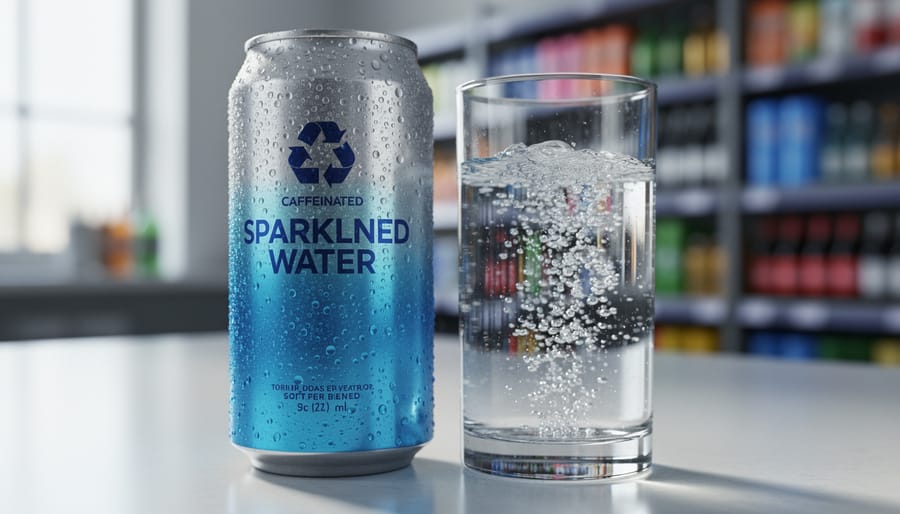
Caffeinated sparkling water is exactly what it sounds like: carbonated water infused with caffeine, typically ranging from 35 to 90 mg per can, offering a zero-calorie, zero-sugar alternative to energy drinks and soda. Since major beverage companies like PepsiCo launched their Bubly Bounce line in 2021 and Ocean Spray followed with their own caffeinated sparkling water range, this category has exploded from a niche wellness product into a $241.6 million global market in 2026, projected to nearly double by 2033.
The appeal is straightforward. You get the caffeine boost of a cup of coffee (most varieties contain about as much as a standard espresso shot) without the calories, artificial sweeteners, or sugar crash that plague traditional energy drinks. For beverage enthusiasts who’ve already embraced the sparkling water revolution, adding caffeine was a natural next step. Brands like Avitae pioneered the space with clean formulations, combining 90 mg of natural caffeine with carbonated water and nothing else.
What makes this category particularly interesting is how it straddles multiple consumer trends simultaneously. It fits the clean-label movement (minimal ingredients, transparent sourcing), the functional beverage boom (drinks that do more than quench thirst), and the ongoing war against added sugars. North America leads adoption with 42% of the global market share, but the 8.7% annual growth rate suggests this isn’t a passing fad.
Whether you’re a mixologist looking for a caffeinated base for mocktails or simply someone seeking an afternoon pick-me-up that won’t derail your wellness goals, understanding the landscape of caffeinated sparkling water helps you navigate an increasingly crowded shelf.
The Rise of a New Beverage Category
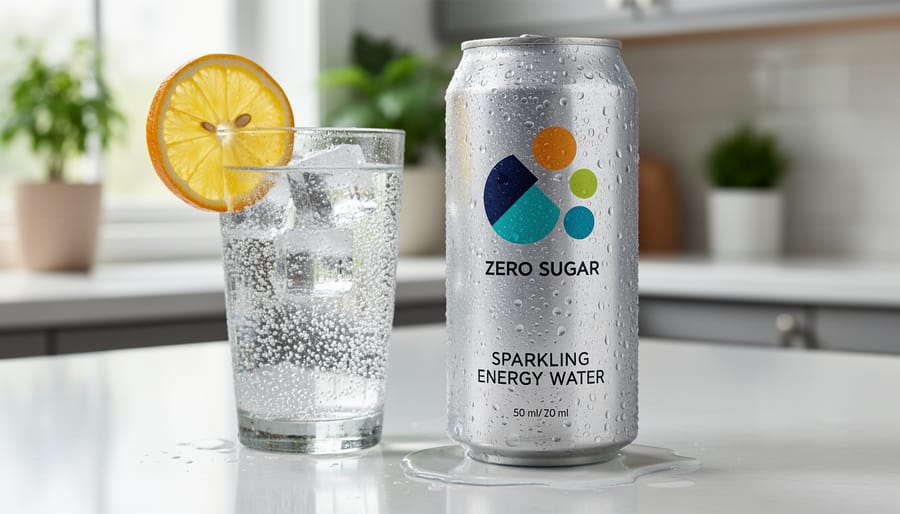
The sparkling water aisle looked dramatically different five years ago. Today, shelf space once dominated by classic LaCroix and Perrier now hosts an entire subsection dedicated to caffeinated options, and the numbers explain why. The global caffeinated sparkling water market reached $241.6 million in 2026 and is projected to hit $433.2 million by 2033, growing at a steady 8.7% annually. That’s not explosive growth by energy drink standards, but it represents something more interesting: the carving out of entirely new beverage territory.
North America leads this shift, commanding 42% of the market share in 2025. This isn’t coincidental. American consumers have spent the past decade simultaneously abandoning sugary sodas and growing skeptical of traditional energy drinks loaded with artificial ingredients and sugar. Caffeinated sparkling water stepped into that gap, offering the functional boost of an energy drink without the baggage that increasingly health-conscious buyers reject.
The category’s rise reflects a broader cultural recalibration around what people want from their beverages. Coffee remains king for morning rituals, but midday energy needs have fragmented. Office workers seeking an afternoon pick-me-up, gym-goers wanting pre-workout stimulation without chalky supplements, and anyone trying to quit soda while maintaining their caffeine habit, all found themselves without an obvious solution. Enter carbonated water with 90mg of natural caffeine and zero calories, a formula that checks multiple boxes simultaneously.
Major players noticed. When PepsiCo launched its Bubly Bounce line in 2021 and Ocean Spray followed with its own caffeinated sparkling water, it signaled corporate validation of consumer demand. These weren’t experimental side projects but deliberate expansions into a category that traditional beverage giants now take seriously. The wellness movement didn’t just create a market opportunity; it redrew the battle lines for how companies compete for hydration dollars.
What Makes Caffeinated Sparkling Water Different
Caffeinated sparkling water occupies a unique space that sets it apart from both its caffeinated cousins and traditional sparkling options. Unlike energy drinks that often pack a sugar punch alongside their caffeine, or regular sparkling water that offers bubbles without benefits, this category delivers the stimulation many of us crave with none of the nutritional baggage.
The formula is refreshingly simple: carbonated water infused with natural caffeine, typically extracted from sources like coffee beans or tea leaves. Brands like Avitae exemplify this approach, delivering about 90mg of caffeine per can with zero sugar and zero calories. That’s roughly the same caffeine you’d get from a standard cup of coffee, but in a cold, fizzy package that pairs naturally with workouts, afternoon slumps, or any moment when you’re weighing club soda vs sparkling options and want something with a functional edge.
| Beverage Type | Typical Caffeine | Calories | Sugar |
|---|---|---|---|
| Caffeinated Sparkling Water | 35-90mg | 0 | 0g |
| Coffee (8 oz) | 80-100mg | 2 | 0g |
| Energy Drink (8 oz) | 70-80mg | 110 | 27g |
| Caffeinated Soda (12 oz) | 35-55mg | 140-150 | 39g |
What truly distinguishes caffeinated sparkling water from traditional energy drinks is what’s missing. You won’t find taurine, guarana extracts, or controversial synthetic caffeine here. There’s no phosphoric acid like in sodas, no milk to worry about if you’re dairy-free, and no need to add sweeteners if you’re watching your intake. It’s minimalist by design, bubbles, caffeine, and flavor, nothing more.
Notable Brands Leading the Charge
The caffeinated sparkling water space features a fascinating mix of beverage industry giants and specialized newcomers, each bringing distinct strategies to capture consumer attention.
PepsiCo made a significant play in this category with Bubly Bounce, launching in 2021 as an extension of their popular Bubly sparkling water line. The Bounce range takes a flavor-forward approach with five combination profiles designed to distinguish it from typical single-fruit offerings. Blueberry pomegranate, citrus cherry, and blood orange exemplify how PepsiCo is leaning into complex flavor pairings that feel more sophisticated than standard energy drinks. By leveraging the existing Bubly brand equity, PepsiCo positioned these caffeinated options as a natural step up rather than an entirely separate product line.
On the specialty brand side, Avitae represents a different philosophy. This brand built its identity specifically around caffeinated water from the start, combining carbonated water with natural caffeine at about 90mg per serving while maintaining zero sugar and zero calories. Avitae’s approach emphasizes simplicity and transparency, catering to consumers who want nothing but caffeine and bubbles without the brand baggage or flavor complexity of larger corporate offerings.
Ocean Spray’s entry into caffeinated sparkling water signals how fruit-focused beverage companies see opportunity here too. With their established reputation for cranberry products and fruit expertise, Ocean Spray brings credibility in natural flavor development that could appeal to consumers skeptical of artificial-tasting energy drinks.
The contrast is clear: major beverage corporations like PepsiCo use caffeinated sparkling water to extend existing brand franchises and capture shelf space through distribution muscle. Specialty brands compete on purity of concept and ingredient transparency. Both approaches are finding their audiences as North America’s 42% market share dominance demonstrates strong regional appetite across multiple brand philosophies.
Flavor Innovation and the Taste Experience
Flavoring caffeinated sparkling water presents a unique challenge that’s part chemistry, part artistry. Brands must navigate caffeine’s inherent bitterness while delivering the crisp, clean taste that sparkling water devotees have come to expect. The solution? Increasingly sophisticated flavor combinations that work with caffeine rather than simply trying to hide it.
Combination profiles have become the signature approach for many brands. PepsiCo’s Bubly Bounce range exemplifies this strategy with pairings like citrus cherry, blueberry pomegranate, and blood orange. These aren’t random mashups. The dual-fruit formulas create flavor complexity that gives your palate something to focus on beyond the caffeine, while citrus notes naturally complement the slight edge that caffeine brings to the taste profile.
Single-fruit options take a different approach, betting that straightforward flavors can shine when the base ingredient list stays minimal. This works particularly well with naturally tart fruits that don’t clash with caffeine’s bite.
The carbonation itself plays a crucial role in the taste experience. Those bubbles carry flavor aromatics to your nose while the fizz creates a sensory distraction from any lingering bitterness. Brands carefully calibrate carbonation levels, knowing that too little makes the caffeine taste more prominent, while too much overwhelms delicate fruit notes.
What makes this category distinct from traditional energy drinks is restraint. There’s no syrupy sweetness, no artificial aftertaste, no attempt to create candy-like flavor bombs. The goal is refreshment with a functional boost, where the flavor enhances rather than dominates. For consumers accustomed to plain sparkling water, this measured approach feels familiar, just with an energizing twist that doesn’t compromise the clean finish they crave.
Who’s Actually Drinking This?
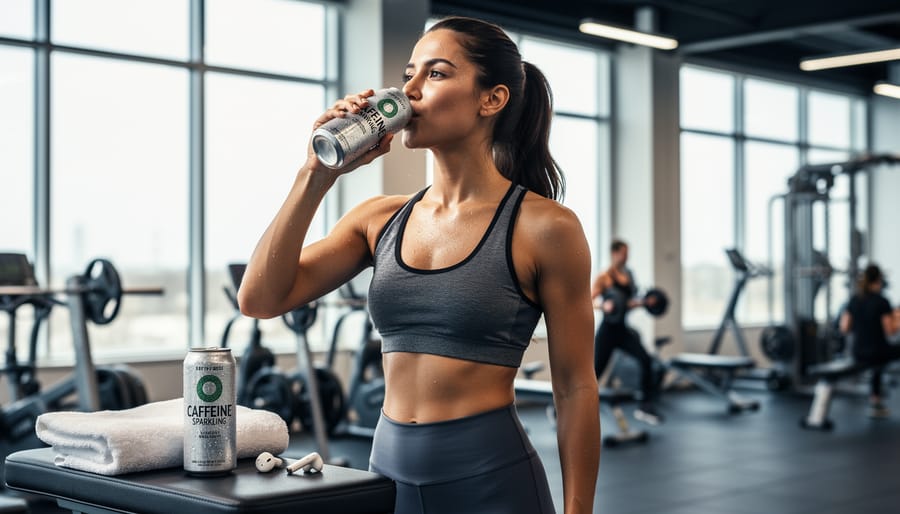
The caffeinated sparkling water consumer isn’t one-dimensional. Walk into any grocery store and you’ll spot different people reaching for these cans at various times throughout the day, each with their own reasons.
Health-conscious professionals make up a significant chunk of the market. These are people who’ve ditched their third cup of coffee but still need that 2 p.m. energy boost. They’re drawn to the zero-calorie, zero-sugar formula that delivers caffeine without the guilt or subsequent crash. A marketing director might crack open a can during an afternoon meeting, while a freelance designer uses it to power through evening deadlines.
Former soda drinkers have found a natural landing spot here. They miss the fizz and ritual of a cold, carbonated drink but don’t want the sugar load anymore. Caffeinated sparkling water offers that familiar effervescence with the added benefit of alertness, making the transition easier.
The fitness crowd has embraced these beverages as pre-workout fuel. Gym-goers appreciate the clean energy before a morning lifting session or evening run, without the heavy feeling that comes from traditional energy drinks. The carbonation settles quickly, and the caffeine kicks in right when they need it.
Then there’s the afternoon slump crowd, office workers, parents juggling errands, students grinding through study sessions. They’re not necessarily fitness fanatics or wellness devotees. They just want something refreshing that keeps them going, preferably without raiding the candy drawer afterward.
The beauty of this category is its versatility. It slots into multiple daily routines, which explains why brands keep expanding their flavor lineups and why the market keeps growing.
The Caffeine Question: How Much Is in Your Can?
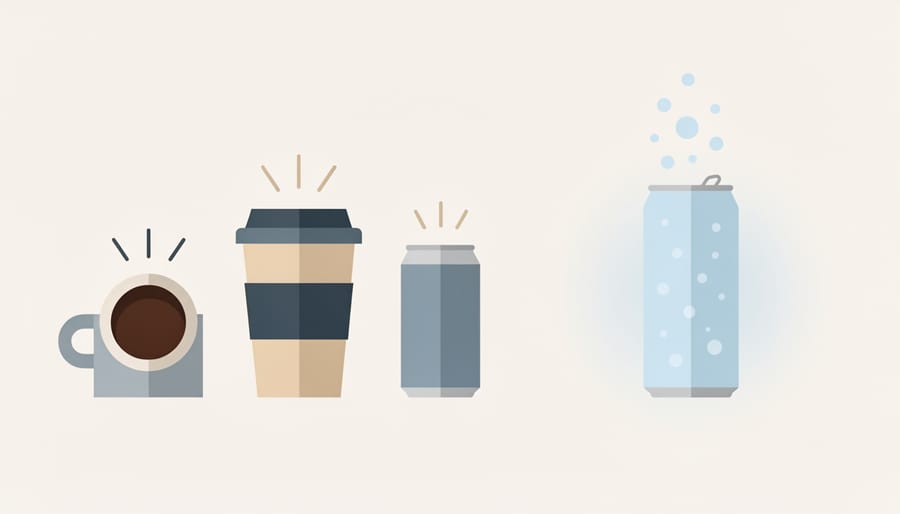
Understanding the caffeine content in your sparkling water is crucial for managing your daily intake and avoiding unpleasant side effects. Most caffeinated sparkling waters contain between 70-90mg of caffeine per can, with Avitae’s 90mg serving as a solid reference point. To compare caffeine levels, that’s roughly equivalent to a standard 8-ounce cup of brewed coffee, though lower than many traditional energy drinks that can pack 160mg or more.
When reading labels, look beyond just the milligrams. Check the serving size, as some brands list caffeine per serving rather than per container, and note whether the caffeine source is natural (typically from green tea or coffee beans) or synthetic. CSPI’s caffeine chart includes a dedicated category for caffeinated water, making it easier to track your consumption alongside other caffeinated beverages.
Consider your existing caffeine habits before reaching for a second can. If you’re already drinking coffee in the morning, that afternoon sparkling water might push you over the recommended 400mg daily limit for healthy adults. Space out your caffeinated beverages and pay attention to timing, drinking caffeinated sparkling water late in the day can interfere with sleep just as coffee would.
Beyond Energy: The Wellness Angle
Caffeinated sparkling water isn’t just selling energy in a can, it’s marketing a lifestyle built on cleaner choices. These beverages position themselves at the intersection of functionality and wellness, appealing to consumers who want their energy boost without compromising their health goals.
The zero-sugar, zero-calorie formula is the cornerstone of this wellness appeal. Unlike traditional energy drinks packed with artificial sweeteners or sodas loaded with high-fructose corn syrup, caffeinated sparkling waters deliver caffeine in its most stripped-down form. Take Avitae’s approach: carbonated water paired with natural caffeine at about 90 mg per serving, and nothing else. No calories to track, no sugar crash to dread, no artificial ingredients to question.
This clean ingredient list resonates with consumers who read labels and care about what goes into their bodies. Natural caffeine sources, typically derived from green coffee beans or tea leaves rather than synthesized in a lab, align with the broader movement toward recognizable, whole-food ingredients. For health-conscious drinkers, this matters.
The appeal extends beyond what these drinks contain to what they exclude. No artificial colors, no synthetic flavors, no lengthy chemical names that require a science degree to pronounce. In a beverage landscape where transparency has become currency, caffeinated sparkling water offers simplicity: hydration, bubbles, caffeine, flavor. That minimalist promise fits neatly into wellness routines alongside yoga mats, meal prep containers, and fitness trackers.
What to Look for When Choosing Your Fizzy Fuel
Navigating the caffeinated sparkling water aisle requires knowing what matters for your specific needs. The right choice depends on several factors, from how much caffeine you want to what ingredients you’re comfortable consuming.
Start with the caffeine source and content. Natural caffeine, typically derived from coffee beans or tea leaves, appeals to those seeking clean-label products, while synthetic caffeine works just as effectively. Check the milligrams per serving, some beverages deliver around 90mg (comparable to a cup of coffee), while others offer lighter doses for gentler energy. If you’re sensitive to stimulants or drink multiple cans daily, lower caffeine options make sense.
When evaluating options, keep these factors in mind:
- Caffeine content per serving and whether it matches your tolerance and daily intake goals
- Natural versus synthetic caffeine source, depending on your ingredient preferences
- Flavor profile and whether you prefer fruit combinations or single-note tastes
- Carbonation intensity, from gentle fizz to aggressively bubbly
- Added ingredients like vitamins, electrolytes, or sweeteners (artificial or natural)
- Sugar and calorie content, though most caffeinated sparkling waters contain zero of both
- Price per can or case, which varies significantly between premium and mainstream brands
- Local availability at your regular grocery stores or whether you’ll need to order online
Flavor matters more than you might think. Since you’ll likely drink these regularly, choose profiles you genuinely enjoy rather than settling. Some brands lean heavily into fruit combinations that mask caffeine’s natural bitterness, while others embrace a cleaner, more subtle taste.
Don’t overlook carbonation level. Aggressive fizz can feel invigorating, but if you’re sipping throughout the day, a gentler effervescence might suit you better. Most brands offer consistent carbonation across their lines, so sampling one flavor gives you a good sense of the entire range.
Finally, consider your budget and where you shop. Mainstream brands from major beverage companies typically offer wider distribution and competitive pricing, while specialty brands might deliver unique formulations at premium prices but require online ordering.
The caffeinated sparkling water category represents something more substantial than a passing fad, it’s a direct response to how we’re rethinking energy and refreshment in 2026. With the market projected to nearly double from $241.6 million to $433.2 million by 2033, these beverages have carved out legitimate territory between traditional energy drinks and plain sparkling water, offering function without the baggage of sugar, artificial ingredients, or excessive stimulants.
This growth signals a broader shift in both markets. Energy drink brands are being pushed toward cleaner formulations, while sparkling water companies are discovering that adding purpose to refreshment resonates with consumers who want their beverages to do more. The 8.7% annual growth rate suggests this isn’t just innovation for innovation’s sake, it’s meeting genuine demand.
Whether you’re curious enough to experiment and make sparkling water with your own caffeine additions or prefer grabbing a ready-made option from brands like Bubly Bounce or Avitae, there’s room to explore what works for your routine. The category’s still young enough that your preferences can help shape where it goes next.