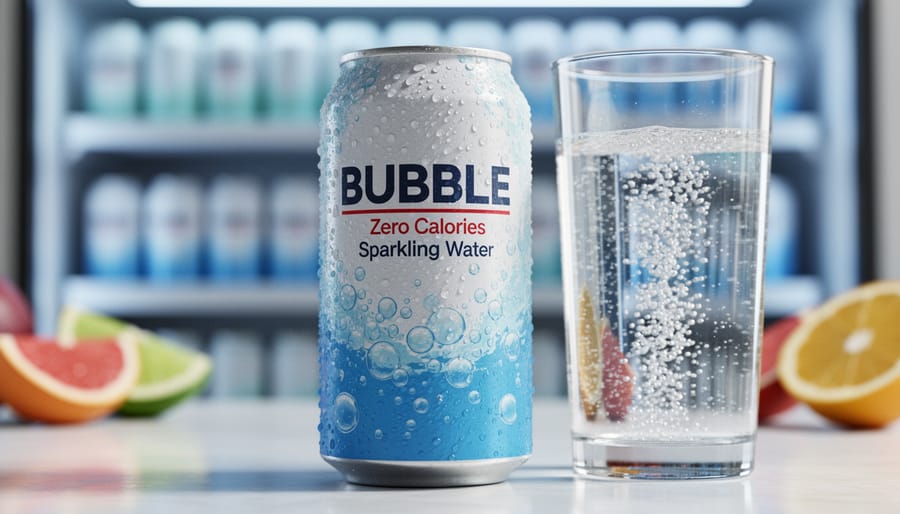
Bubble sparkling water refers to zero-calorie, zero-sweetener carbonated water available in a wide range of fruit flavors, and it has become a mainstream staple across Canada and the United States in 2026. Brands like bubly, Clearly Canadian, and LaCroix dominate grocery store shelves, offering consumers a fizzy, flavorful alternative to both sugary sodas and plain water. At roughly $7 for a 12-pack at major retailers like Walmart Canada, these drinks deliver refreshing hydration without artificial ingredients, making them equally popular for everyday sipping and as mixers in both cocktails and mocktails.
The category continues to expand. In 2026, PepsiCo launched bubly POP exclusively in Canada, introducing three flavors (berry, black cherry, and lemon lime) that push the envelope on bolder taste profiles. Meanwhile, flavor-enhancing drops from bubly now offer grapefruit, blackberry, lime, strawberry, orange, and cherry, giving you the freedom to customize carbonation intensity when you make sparkling water at home. Legacy brands like Clearly Canadian remain beloved for nostalgic favorites such as Mountain Blackberry and Wild Cherry.
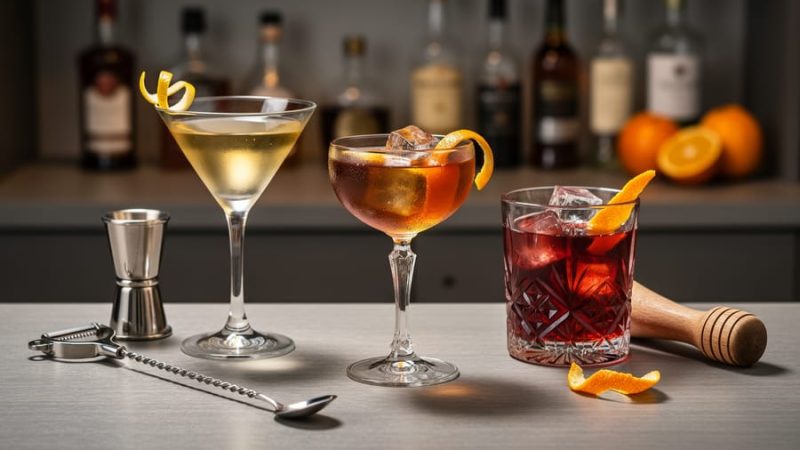
For home mixologists and bartenders, bubble sparkling water has emerged as the go-to base for low- and no-alcohol drinks. The clean carbonation and subtle fruit notes elevate everything from a simple lime-spiked spritz to complex layered cocktails, all while keeping sugar and calories in check. Whether you’re stocking a home bar or exploring the latest beverage trends, understanding what sets these products apart will help you choose the right brand and flavor for your palate and purpose.
What Makes Bubble Sparkling Water Different
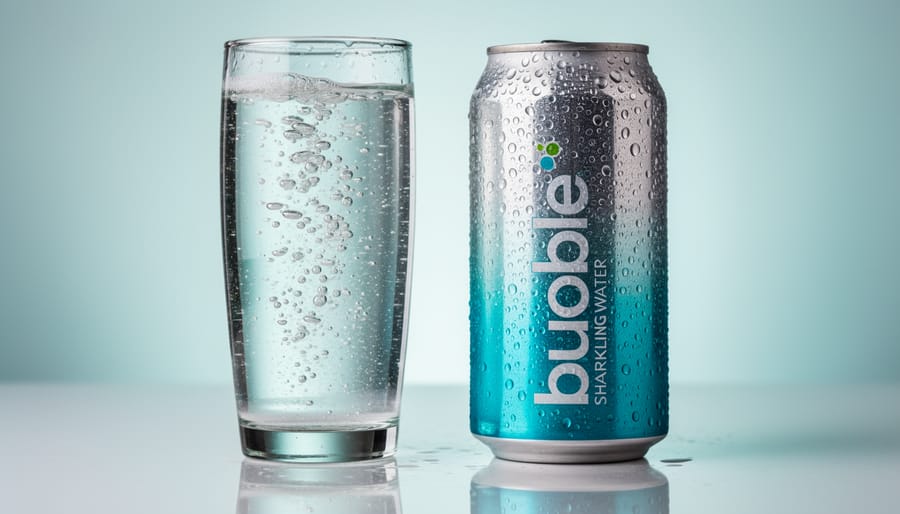
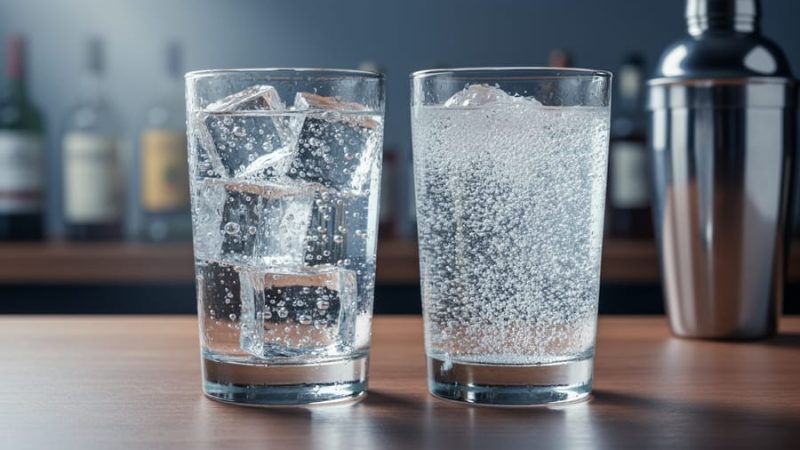
Bubble sparkling water isn’t just another fizzy drink. The difference starts with carbonation intensity, brands in this category push for a more aggressive bubble that creates a sharper, more pronounced mouthfeel than you’d find in standard seltzers. That heightened effervescence delivers a sensory punch that fans describe as “crispy” or “snappy,” transforming plain hydration into an experience worth seeking out.
Flavor is where the category truly diverges. While traditional sparkling waters often lean on subtle citrus hints, bubble sparkling water embraces bolder, more defined profiles. Think berry, black cherry, blackberry, and grapefruit, flavors that register immediately without relying on sweeteners or artificial additives. These aren’t whispers of taste; they’re clear, recognizable notes that satisfy cravings without the sugar load of sodas or the blandness some associate with club soda vs sparkling water debates.
The appeal cuts across experience levels. Seasoned sparkling water drinkers appreciate the elevated carbonation and flavor complexity, qualities that make these drinks versatile enough for cocktail mixing or standalone enjoyment. Newcomers, meanwhile, find the pronounced taste easier to embrace than subtler options, making the transition from sugary beverages less jarring.
What consumers want from this niche is straightforward: interesting flavors, serious bubbles, and clean ingredient lists. The category delivers refreshment with personality, bridging the gap between boring hydration and indulgent soft drinks. That positioning explains why bubble sparkling water resonates with both wellness-focused drinkers and cocktail enthusiasts who value carbonation that holds up in mixed drinks.
The sensory experience matters here. That aggressive fizz isn’t just texture, it amplifies flavor perception and creates a satisfying throat hit that flat or lightly carbonated waters can’t match. For people who drink sparkling water by the case, that difference is worth seeking out.
The Current Landscape: What’s Available in 2026
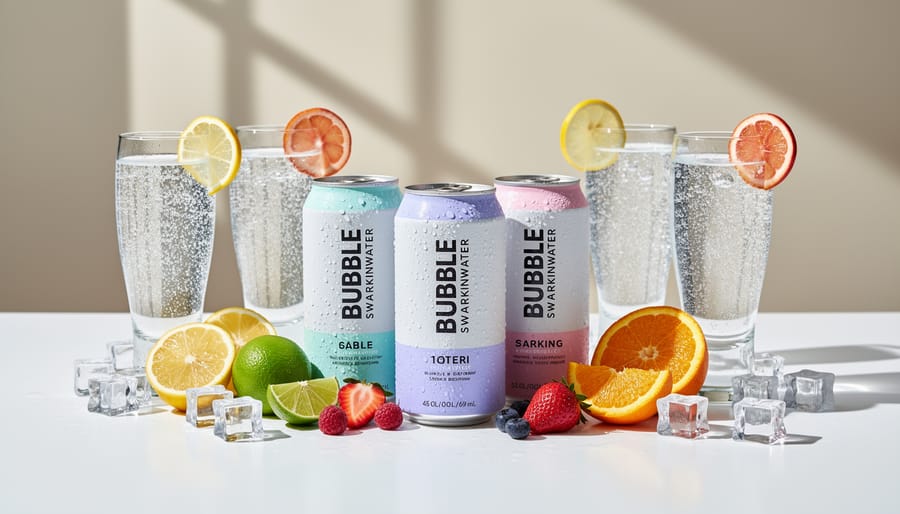
The bubble sparkling water category in 2026 is more dynamic than many beverage enthusiasts realize, with established brands pushing into new territory and legacy players making surprising comebacks. What’s actually on shelves right now tells us where the market is heading, and the current landscape reveals both mainstream expansion and niche innovation.
| Brand | Available Flavors | Format | Where to Find |
|---|---|---|---|
| bubly POP | Berry, Black Cherry, Lemon Lime | Cans | Canada (exclusive) |
| bubly drops | Grapefruit, Blackberry, Lime, Strawberry, Orange, Cherry | Flavor concentrate | Wide retail availability |
| bubly Sparkling Water | Peach (among others) | 12 x 355 ml cans | Walmart Canada ($6.98) |
| Clearly Canadian | Mountain Blackberry, Wild Cherry, Country Raspberry, Orchard Peach | Glass bottles | Select retailers |
PepsiCo made waves this year with bubly POP’s Canadian-exclusive launch, positioning it as a premium tier above standard bubly offerings. The three flavors, berry, black cherry, and lemon lime, signal the brand’s move toward bolder, more concentrated fruit profiles rather than the subtler notes that defined earlier iterations. This isn’t just a flavor expansion; it’s a test case for whether North American consumers will embrace the more assertive carbonation and taste intensity that European markets have favored for years.
The bubly drops collection represents a different approach entirely. Rather than premixed cans, these concentrated flavor options let users customize carbonation strength and flavor intensity, appealing to home mixologists who want precise control over their base ingredients. The six-flavor lineup spans classic citrus through darker berry notes, giving bartenders and home enthusiasts flexible building blocks for both cocktails and standalone refreshment.
Pricing remains accessible, with standard bubly cans running under seven dollars for a twelve-pack at major retailers like Walmart Canada. This positions bubble sparkling water squarely in the everyday category rather than as a premium indulgence, though regional availability varies.
Meanwhile, Clearly Canadian’s return with its nostalgic glass-bottle format and fruit-forward lineup proves there’s room in this space for brands that lean into heritage and a distinct aesthetic. Their Mountain Blackberry and Wild Cherry flavors occupy a different sensory territory than bubly’s offerings, appealing to consumers who remember the brand’s original run and newcomers drawn to its retro appeal.
Flavor Innovation and What to Expect
Flavor profiles in bubble sparkling water have shifted dramatically beyond the lemon-lime basics that dominated supermarket shelves just a few years ago. Brands now push into territory that feels borrowed from craft cocktail menus and artisan soda shops, blackberry, grapefruit, and cherry are leading the charge, offering depth that appeals to anyone tired of generic citrus.
bubly drops collection showcases this evolution clearly, with grapefruit, blackberry, lime, strawberry, orange, and cherry available for customization. The grapefruit option brings a tart, slightly bitter edge that cuts through sweetness in cocktails, while blackberry adds a darker, almost jammy quality that plays well with bourbon or whiskey. Cherry delivers that recognizable stone-fruit note without veering into cough-syrup territory, a delicate balance that makes it versatile for both stirred drinks and highballs.
Clearly Canadian takes a different approach with its Mountain Blackberry, Wild Cherry, Country Raspberry, and Orchard Peach flavors, leaning into full-fruit expression rather than subtle hints. These bolder profiles work when you want the sparkling water itself to anchor a mocktail rather than simply lift spirits in a mixed drink.
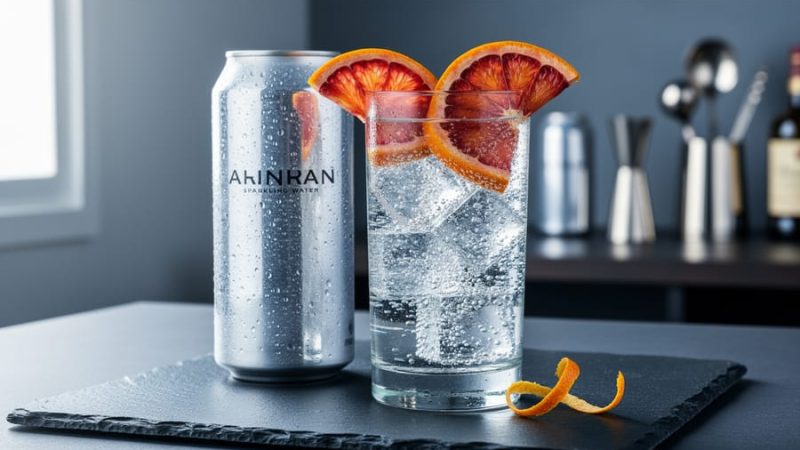
For mixologists, flavor pairing becomes more nuanced. Blackberry sparkling water amplifies gin’s botanical notes, especially when paired with rosemary or thyme. Grapefruit fits naturally with tequila or mezcal, reinforcing citrus without adding sugar. Cherry works surprisingly well in whiskey sours, replacing traditional soda while maintaining fizz and complementing the spirit’s oak tannins. You can even use limoncello flavor variations to brighten Aperol spritzes or vodka-based refreshers.
The practical advantage here goes beyond taste, these flavors let you build complexity without stacking syrups and liqueurs. A cherry sparkling water can do the work of muddled fruit and simple syrup in one pour, keeping drinks cleaner and calories lower. That efficiency matters whether you’re batching cocktails for a party or crafting a sophisticated zero-proof drink after work.
Mixing with Bubble Sparkling Water: Cocktails and Mocktails
Bubble sparkling water’s lighter carbonation creates opportunities that traditional club soda can’t match, especially when you want flavor without sweetness. The key is understanding that these waters dissolve faster than heavily carbonated mixers, so build drinks quickly and serve immediately. Berry and cherry profiles work beautifully with aged spirits, think bourbon or rum, where the fruit notes complement oak and vanilla undertones without adding sugar. The black cherry variant from bubly POP pairs exceptionally well with rye whiskey in a simplified highball, while berry flavors enhance gin-based drinks by playing off botanical notes.
For vodka and white rum cocktails, citrus-forward options like lemon lime provide clean, crisp length without the cloying sweetness of tonic or lemon-lime soda. A two-ounce pour of vodka with six ounces of chilled lime bubble sparkling water and a squeeze of fresh lime creates a refreshing sipper that won’t weigh you down. The bubly drops collection opens another layer of control: add grapefruit or blackberry drops to unflavored sparkling water, adjusting intensity to match your base spirit and fresh ingredients.
Mocktail applications prove equally compelling. Mountain Blackberry or Wild Cherry sparkling waters muddle well with fresh herbs, mint, basil, or rosemary, creating complex, adult-tasting drinks without alcohol. Build a blackberry-basil spritz with muddled berries, torn basil, a half-ounce of fresh lemon juice, and top with four ounces of blackberry sparkling water over crushed ice. The gentle carbonation carries aromatics without the aggressive fizz that can make non-alcoholic drinks feel juvenile.
Professional bartenders are using these waters to lighten classic recipes. A Tom Collins built with lemon lime bubble sparkling water instead of traditional soda needs less simple syrup, letting the gin shine through. The lower carbonation also means less foaming when shaking citrus-forward drinks before topping, giving you cleaner presentation and more consistent dilution. Whether you’re batching drinks for a party or crafting individual cocktails, these flavored waters offer precision that sugary sodas and plain sparkling water can’t deliver.
Why This Trend Matters for Drink Enthusiasts
The bubble sparkling water phenomenon reflects something bigger than carbonation preferences. It signals a fundamental shift in how people approach hydration, one that’s dismantling the old binary between “healthy but boring” and “tasty but indulgent.”
For years, beverage enthusiasts navigated a frustrating trade-off. Plain water delivered hydration without compromise, but lacked excitement. Traditional sodas offered flavor but came loaded with sugar and calories. Energy drinks provided function at the cost of jitters and crashes. The question of does sparkling water hydrate has been answered definitively in favor of these products, removing a barrier that once kept health-conscious consumers hesitant.
What makes 2026’s bubble sparkling water trend significant is its crossover appeal. Wellness communities embrace these products as sophisticated hydration solutions that don’t sacrifice flavor. Meanwhile, cocktail and mocktail creators view them as mixers with actual personality, not just neutral fizz. When bubly drops launched with grapefruit, blackberry, and cherry varieties, or when brands like Clearly Canadian offered Mountain Blackberry and Wild Cherry, they provided bartenders and home mixologists with building blocks for creative drinks.
The pricing reinforces accessibility. At $6.98 for 12 cans at retailers like Walmart Canada, these products occupy the sweet spot between premium and practical. That makes experimentation affordable, whether you’re testing a new cocktail recipe or simply want interesting hydration for your workday.
This trend matters because it represents evolving taste literacy. Consumers now expect beverages to deliver on multiple dimensions: flavor, function, versatility, and experience. The brands succeeding in this space understand that modern drink enthusiasts refuse to compromise, and the market is responding accordingly.
Bubble sparkling water has moved beyond novelty status to claim its place as a genuine category within the beverage world. What started as a curious twist on traditional carbonated drinks has evolved into a versatile player that serves both standalone refreshment and mixology innovation. The exclusive Canadian launch of bubly POP and the expanding flavor portfolios across brands signal sustained investment in this space, not a fleeting trend chasing headlines.
For beverage enthusiasts, whether you’re crafting weekend cocktails at home or developing signature drinks professionally, these products offer creative possibilities that weren’t available even a year ago. The range from subtle citrus to bold blackberry gives you more tools to work with, and the carbonation levels provide control over texture and mouthfeel in ways standard club soda never could.
As this category continues to mature in 2026, expect more brands to enter the conversation and existing players to push flavor boundaries further. The intersection of wellness-conscious hydration and sophisticated taste profiles makes bubble sparkling water relevant to virtually everyone who cares about what they drink. Try incorporating these into your next creation and see where the bubbles take you.