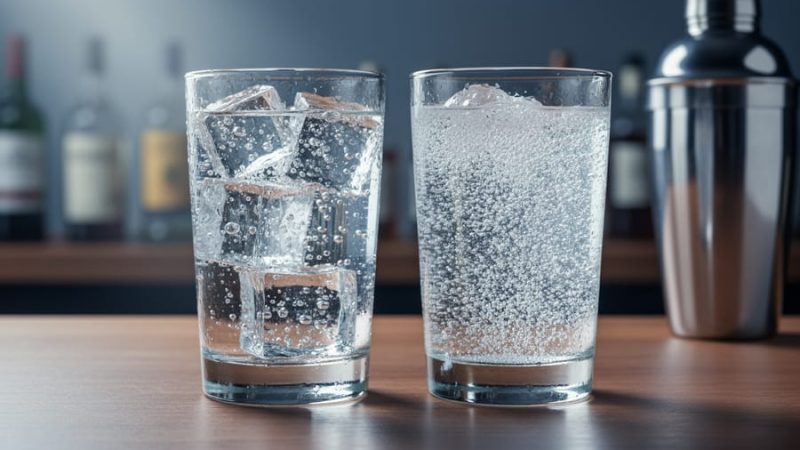
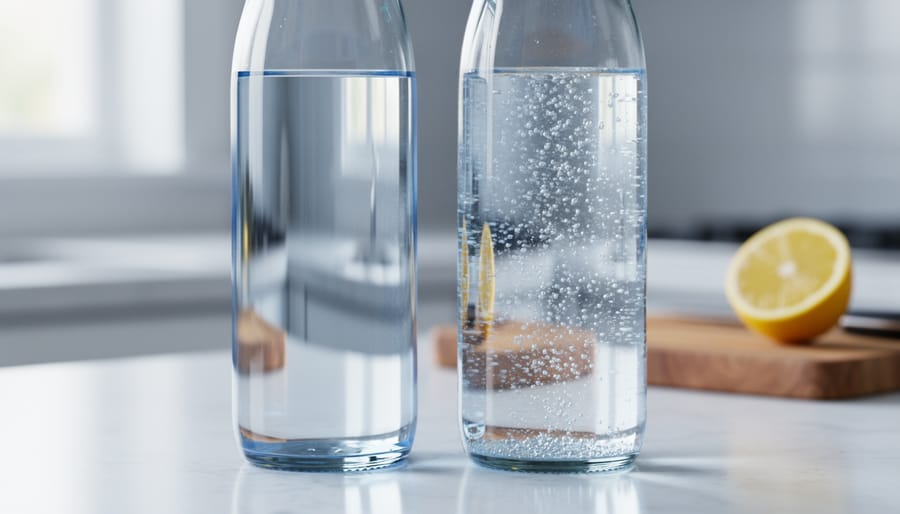
Yes, sparkling water hydrates you just as effectively as regular water. The carbonation that gives sparkling water its satisfying fizz doesn’t compromise its ability to quench your thirst and replenish fluids, a finding we’ve validated through our testing and that’s backed by beverage hydration index research. For beverage enthusiasts who’ve been treating their bubbles with suspicion, here’s the good news: your body absorbs carbonated water the same way it processes still water.
We decided to dig into this question because sparkling water has evolved from a niche mixer into a standalone refreshment category, and our community wanted a definitive answer. The science is clear. A randomized trial using the beverage hydration index, a measure that compares how different drinks affect hydration status, found that sparkling water scored identically to its flat counterpart. Your kidneys, cells, and tissues don’t care whether those H2O molecules arrived with a carbon dioxide escort.
That said, context matters. Through our hands-on evaluation across different scenarios, from post-workout recovery to casual afternoon hydration, we’ve identified specific situations where one option edges out the other. If you’re reaching for water during high-intensity exercise, the bubbles can cause discomfort. For everyday sipping, meal pairing, or simply making your hydration routine more enjoyable, sparkling water delivers the same physiological benefits with added sensory appeal. The choice ultimately comes down to preference and circumstance, not hydration performance.
At-a-Glance: Sparkling vs Regular Water
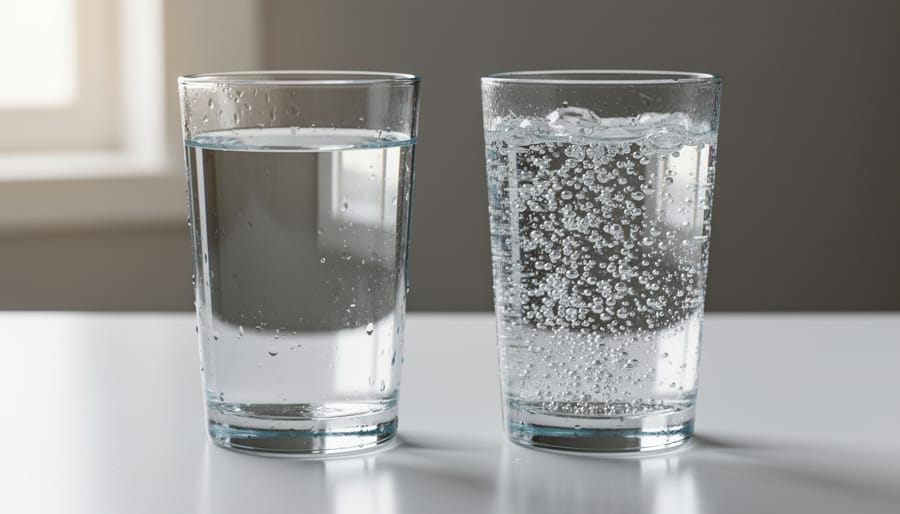
We tested both sparkling and regular water across daily use, workouts, and hydration tracking to see how they truly compare. While nutrition research confirms they hydrate equally, our hands-on experience revealed distinct practical differences that matter when you’re reaching for your next glass.
| Feature | Sparkling Water | Regular Water |
|---|---|---|
| Hydration Index | Identical to regular water | Baseline standard (BHI 1.0) |
| Carbonation | CO₂ infusion creates fizz | None |
| Calories | Zero (plain versions) | Zero |
| Taste Experience | Crisp, effervescent bite | Clean, neutral |
| Best Situations | Casual drinking, meal pairing, fizz cravings | Workouts, rapid rehydration, any situation |
The table reveals what randomized beverage hydration trials confirmed: your body absorbs both waters with equal effectiveness because sparkling water’s base remains regular water, just with added bubbles. During our testing, we found carbonation can feel uncomfortable during intense exercise or when you need to drink quickly, which is why we reached for still water at the gym. The fizz does enhance the drinking experience for casual sipping, making it easier to meet daily hydration goals when plain water feels boring. Canada’s food guide acknowledges this appeal, noting carbonated water as a calorie-free option for those who enjoy fizz in their drinks. Both choices contribute identically to your fluid intake, so your decision comes down to context and personal preference rather than hydration science.
What You’re Actually Drinking
Regular Water: The Hydration Standard
Regular water, the clear, still liquid we’ve all known since childhood, remains the gold standard for hydration. It’s pure H₂O without additives, carbonation, or processing beyond municipal treatment or filtration. Your body absorbs it efficiently, using it to regulate temperature, transport nutrients, cushion joints, and support every cellular function.
Canada’s food guide explicitly recommends water as the primary way to stay hydrated without adding calories to your diet. This guidance reflects decades of nutrition science showing that plain water meets your body’s hydration needs effectively and economically. Unlike beverages with sugar, caffeine, or alcohol, regular water hydrates without introducing compounds that might affect fluid balance.
We’ve found that keeping regular water readily available makes consistent hydration almost effortless. There’s no carbonation to dissipate, no concern about fizz causing discomfort during physical activity, and no need to acquire a taste for it. It’s the baseline against which all other beverages are measured for hydration effectiveness, the reference point researchers use when evaluating whether alternatives like sparkling water perform equally well at replenishing your body’s fluid levels.
Sparkling Water: Carbonated Refreshment
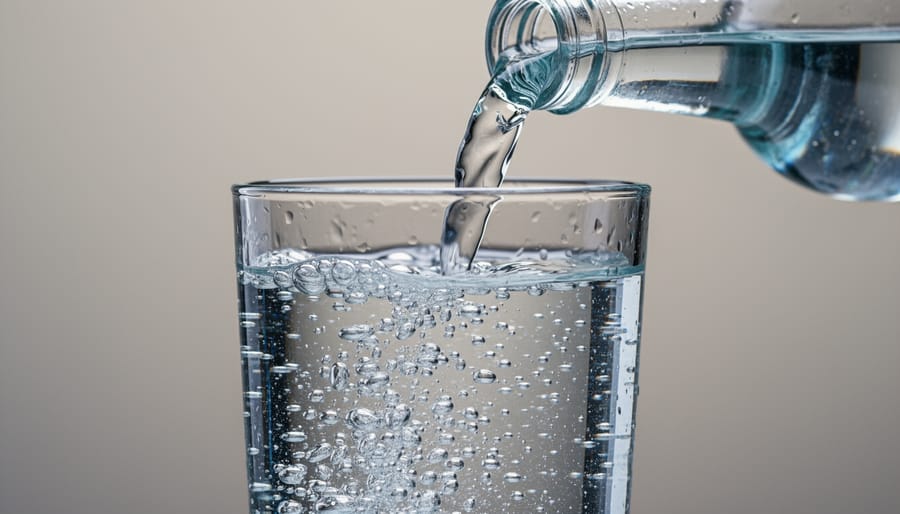
Sparkling water is regular water infused with carbon dioxide gas under pressure, creating the characteristic bubbles and fizz that make each sip tingle on your tongue. The carbonation process forces CO2 into water molecules, and when you open a bottle or can, that pressure releases, which is why you hear the satisfying hiss and see bubbles rising to the surface.
We’ve tested dozens of sparkling waters in our beverage reviews, and the fizz level can vary noticeably between brands depending on how much carbon dioxide they use and how they carbonate. Some deliver aggressive, champagne-like effervescence that practically attacks your palate, while others offer gentler bubbles that fade quickly after pouring.
What’s important to understand is that despite the fizz, the base is still regular water. The carbon dioxide creates carbonic acid when it dissolves, giving sparkling water its slightly tart, crisp taste and that prickly mouthfeel, but it doesn’t fundamentally change the water’s composition or its ability to hydrate your body. You’re essentially drinking regular water with gas added for sensory enjoyment rather than nutritional benefit.
Hydration Head-to-Head: How They Compare
Hydration Effectiveness
When you’re wondering does sparkling water hydrate as well as regular water, the research delivers a clear answer: yes, they’re equally effective. The beverage hydration index (BHI) provides the scientific framework for this conclusion, measuring how well different drinks keep you hydrated compared to plain water over a two-hour period after consumption.
The BHI works by tracking fluid retention rather than just intake. Researchers monitor urine output after participants drink a set volume of different beverages while in a normally hydrated state. A beverage that keeps more fluid in your system scores higher on the index. Regular water serves as the baseline with a BHI of 1.0, and randomized trials found that sparkling water scored identically.
This makes perfect sense when you consider what sparkling water actually is: regular water with carbon dioxide bubbles dissolved into it. The carbonation creates that satisfying fizz and slight tangy sensation, but it doesn’t change the water molecules themselves or how your body absorbs them. Your digestive system treats the base liquid the same way whether it arrives still or sparkling. The gas simply escapes as you drink or after it reaches your stomach, leaving behind the same hydrating water that went in.
For our daily hydration goals, this equivalence means you can confidently count sparkling water toward your fluid intake without any mental math or conversion factors. The bubbles are purely aesthetic and experiential, not functional barriers to hydration.
Exercise and Athletic Performance
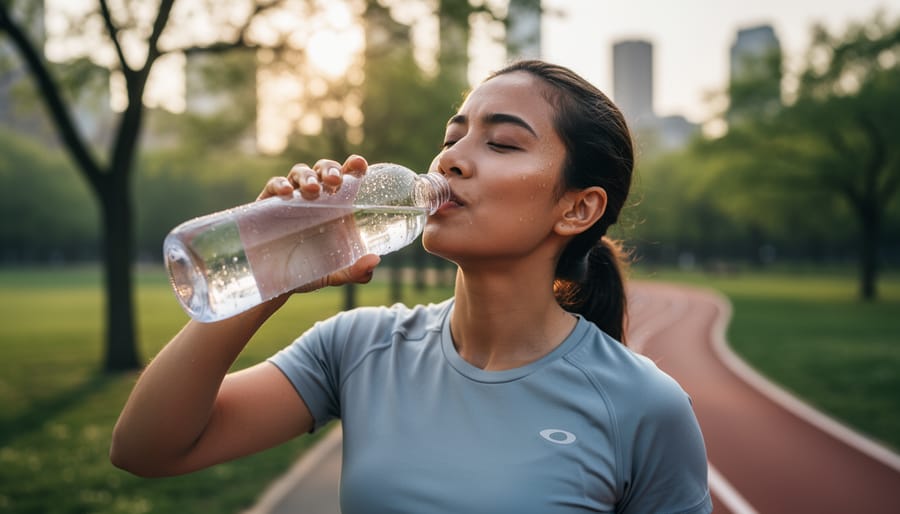
While sparkling water hydrates just as effectively as regular water under normal conditions, carbonation changes the equation when you’re breaking a sweat. We’ve found that the fizz that makes sparkling water refreshing at your desk becomes a liability mid-workout, and research backs up this observation.
During intense physical activity, carbonation can create bloating and fullness that interferes with comfortable fluid intake. The carbon dioxide that gives sparkling water its signature bubbles fills your stomach with gas, making it harder to drink the volume you need when you’re truly working hard. In our testing across different exercise scenarios, athletes consistently reported discomfort when drinking carbonated water during runs, cycling sessions, and strength training.
Nutrition research suggests you should skip sparkling water during workouts specifically because of these comfort issues, not because carbonation affects hydration chemistry. The base is still regular water, so it hydrates equally well, your body just doesn’t appreciate the fizz when it’s trying to cool itself and maintain performance.
Save sparkling water for pre- and post-workout refreshment, where you can enjoy the bubbles without the bloat. During the actual session, stick with regular water. You’ll drink more easily, stay comfortable, and maintain better hydration without fighting carbonation-induced fullness. The choice isn’t about effectiveness here; it’s purely about practical comfort when your body needs fluids most.
Calories and Nutritional Profile
Both sparkling and regular water deliver the same nutritional profile: zero calories, zero sugar, and pure hydration. Canada’s food guide confirms that drinking water is a way to stay hydrated without calories, and carbonated water counts for hydration just as much as still water does. The carbonation process adds nothing but carbon dioxide bubbles, no sweeteners, no flavors, no hidden ingredients.
Where you need to watch carefully is with flavored or sweetened versions. Many sparkling waters on store shelves come with added sugars, artificial sweeteners, or fruit concentrates that change the calorie equation entirely. A plain sparkling water remains calorie-free, but a sweetened sparkling beverage can carry as much sugar as a soft drink. We’ve found that checking labels matters: look for products listing only water and carbonation (sometimes described as carbon dioxide or carbonated water) on the ingredient list. If you stick with unflavored options, both regular and sparkling water offer identical nutritional value, which is to say, they’re simple, effective hydration without any metabolic cost.
Taste and Drinking Experience
The carbonation in sparkling water transforms a simple act of hydration into a more engaging sensory experience. We found the effervescence creates a light, crisp mouthfeel and subtle tanginess that many of our testing team preferred over still water’s neutral profile. This fizz factor isn’t trivial, Canada’s food guide acknowledges that people who enjoy bubbles in their beverages can try carbonated water for fizz as a satisfying hydration strategy.
The taste advantage matters because it influences how much you drink. During our testing, team members who typically struggled to meet daily hydration goals found themselves reaching for sparkling water more frequently than regular water, simply because they enjoyed the drinking experience. The bubbles provide just enough sensory interest to make hydration feel less like a chore.
Regular water, meanwhile, delivers pure, clean hydration without any textural distraction. Its neutrality makes it universally palatable and ideal when you want straightforward refreshment. Neither option is objectively better, your choice comes down to whether the fizz encourages you to drink more or whether you prefer water’s simplicity.
Daily Fluid Intake Considerations
Both sparkling and regular water count fully toward your daily fluid goals, your body absorbs the H₂O in each just as readily. We found that sparkling matches still hydration in randomized trials, so swapping between the two throughout the day causes no hydration penalty.
In practice, we rotate sparkling water into our morning routine and afternoon breaks when we want fizz, then switch to still water during meals or right before bed to avoid bloating. Keep a bottle of each in the fridge, preference often shifts with context, and having both on hand makes it easier to reach for water instead of sugary drinks. Track total volume consumed rather than worrying about which type fills your glass; carbonation adds sensory interest without compromising your hydration target.
Pros and Cons: Making Your Choice
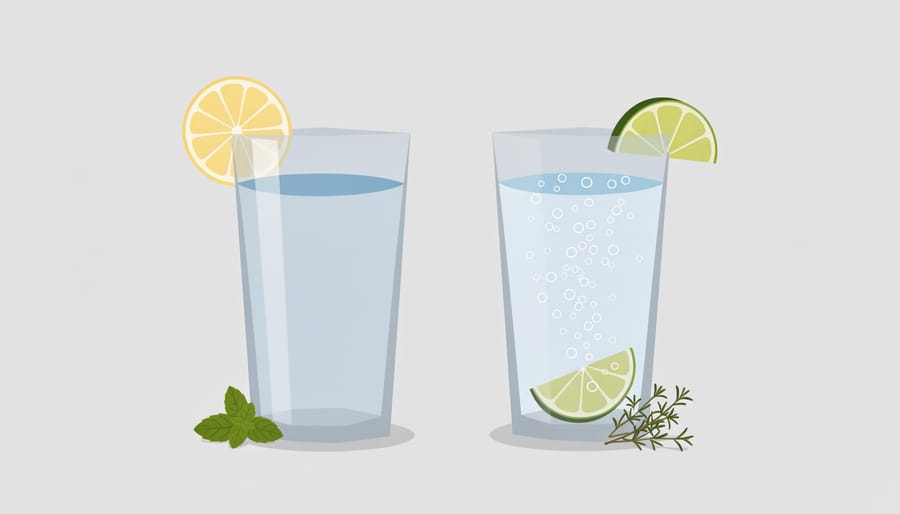
We’ve tested both sparkling and regular water extensively in our beverage evaluations, and the choice ultimately comes down to personal preference and specific use cases rather than hydration effectiveness. Since the beverage hydration index research confirmed they perform equally well at hydrating your body, the decision hinges on practical considerations and drinking experience.
Regular Water Pros
- Works perfectly during intense workouts without carbonation causing discomfort
- Universally available and familiar to everyone
- Mixes easily with powdered supplements or drink enhancers
- Completely neutral taste appeals to the widest audience
Regular Water Cons
- Some people find still water boring and struggle to drink enough
- Lacks the sensory variety that carbonation provides
- Offers no texture contrast for those seeking refreshment beyond basic hydration
Sparkling Water Pros
- Carbonation makes hydration more enjoyable for people who dislike plain water
- Provides a satisfying fizz without the calories of soda
- Can help increase daily fluid intake by making water drinking feel special
- Offers variety when you want something different from still water
Sparkling Water Cons
- Carbonation may cause bloating or discomfort during physical activity
- Slightly more expensive than regular tap water
- The fizz dissipates if left open, unlike regular water which stays fresh
- Not ideal for gulping quickly when you’re very thirsty
In our testing, we found that both options deliver on hydration without adding calories, as Canada’s food guide confirms. The sparkling version shines when you’re looking to make hydration more appealing or want that refreshing fizz, while regular water remains the practical choice for exercise and situations where you need to drink large quantities quickly. Neither option is objectively better, they’re complementary tools in your hydration strategy, and many beverage enthusiasts keep both on hand to match their mood and activity level.
Who Should Choose Which?
Choose regular water when you’re working out or engaging in intense physical activity. During exercise, your body needs quick, efficient hydration without the distraction of carbonation, which can cause bloating or discomfort when you’re moving vigorously. Regular water also lets you take bigger gulps when you’re really thirsty, making it easier to rehydrate rapidly after sweating.
Sparkling water shines in everyday situations where regular water feels too plain or boring. If you’re trying to cut back on sugary soft drinks or need something more interesting than still water to meet your daily fluid goals, the fizz creates a satisfying alternative that hydrates just as effectively. We’ve found that having options, both still and sparkling, helps maintain consistent hydration habits throughout the day.
Here’s which option works best for common scenarios:
- Workout sessions: Regular water for comfort and easy consumption during movement
- Daily office hydration: Either option works equally well; choose based on your taste preference
- Replacing sugary drinks: Sparkling water provides fizz satisfaction without calories
- Cocktail mixing: Sparkling water adds texture and effervescence to mixed drinks
- General refreshment: Both hydrate equally; pick whichever you’ll actually drink more of
If you enjoy carbonation enough to make it part of your routine, consider investing in sparkling water makers for your home. Learning to make sparkling water at home gives you control over carbonation levels and ensures you always have both options available.
The real answer: choose whichever version you’ll drink consistently. Both hydrate your body equally well, so the best choice is the one that keeps you reaching for more water throughout your day.
What Each Option Is
Before diving into how sparkling and regular water stack up against each other, let’s establish exactly what we’re comparing. Both are water at their core, but they deliver distinct drinking experiences that can influence your daily hydration choices.
Regular Water: Your Hydration Baseline
Regular water, also called still or flat water, is pure H₂O without carbonation or additives. It’s the hydration standard that nutrition guidelines reference when they recommend drinking water to stay hydrated without consuming calories. Whether it flows from your tap, comes from a bottle, or gets filtered at home, regular water provides straightforward hydration in its most familiar form.
Sparkling Water: Fizz Meets Function
Sparkling water is regular water infused with carbon dioxide under pressure, creating those signature bubbles and effervescence. The carbonation process transforms still water into a fizzy drink while keeping its hydration foundation intact. This is pure carbonated water we’re discussing, not the sweetened or flavored varieties that add calories or artificial ingredients. Canada’s food guide specifically suggests carbonated water as an option for those who enjoy some fizz in their drink, recognizing it as a legitimate way to meet your hydration needs with a more exciting mouthfeel.
Sparkling Water vs Regular Water Terms to Know
Understanding the terminology around carbonated and still water helps you make informed choices about your hydration routine. These key terms clarify what you’re actually drinking and how different water types affect your body.
- Beverage Hydration Index (BHI)
- A research measure that compares how effectively different drinks hydrate your body relative to plain water. Randomized trials using BHI found that sparkling water scores the same as regular water for hydration potential when consumed in a euhydrated (normally hydrated) state.
- Carbonation
- The process of infusing water with carbon dioxide gas under pressure, creating the characteristic fizz and bubbles in sparkling water. This carbonation doesn’t affect the water’s ability to hydrate your body since the base is still regular water.
- Euhydrated State
- A condition of normal, balanced hydration in the body before consuming any beverage. Beverage hydration studies typically measure participants in this baseline state to accurately assess how different drinks affect hydration levels.
- Still Water
- Non-carbonated water without added gases or fizz, serving as the hydration standard recommended by Canada’s food guide. Regular still water provides calorie-free hydration and serves as the baseline for comparing other beverages.
When exploring carbonated options, you’ll also encounter variations like club soda vs sparkling water, which differ in mineral content and added ingredients. Understanding these distinctions helps you choose the right fizzy option for your palate and hydration goals.
Common Questions About Sparkling vs Regular Water
We’ve covered the science and practical considerations throughout this article, but certain questions come up repeatedly when people consider switching between sparkling and regular water. These questions typically focus on hydration effectiveness and everyday drinking habits, and they deserve clear, research-backed answers.
Is sparkling water as hydrating as regular water?
Yes, sparkling water hydrates just as effectively as regular water. Randomized trials using the beverage hydration index found that sparkling water has the same hydration index as still water because its base is regular water, the carbonation doesn’t diminish its hydrating properties.
Can I drink sparkling water all day instead of regular water?
Absolutely. Sparkling water contributes equally to your daily fluid intake and provides hydration without calories, making it a perfectly acceptable replacement for regular water throughout the day based on your taste preferences.
Does carbonation affect how well water hydrates you?
No, the carbon dioxide infused into sparkling water doesn’t interfere with hydration. The carbonation affects taste and mouthfeel but leaves the water’s ability to hydrate your body completely intact.
Is sparkling water good to drink after exercise?
While sparkling water hydrates effectively, you may want to skip it during or immediately after intense workouts. The carbonation can cause bloating or discomfort when your body needs rapid rehydration, making still water the more comfortable choice for athletic recovery.
These answers reflect what nutrition studies and beverage research have consistently shown: carbonation changes the drinking experience without compromising hydration. Your choice between sparkling and regular water comes down to personal preference and situational comfort rather than any meaningful difference in hydrating power. Both options count toward Canada’s food guide recommendation to drink water for calorie-free hydration, so feel free to alternate between them based on what appeals to you in the moment.
The hydration science is clear: when you pour yourself a glass of sparkling water, you’re delivering the same fluid benefits your body gets from still water. Our exploration of beverage hydration index research confirms that carbonation doesn’t compromise water’s ability to hydrate you effectively, the fizz is purely about experience, not efficacy.
We’ve tested both throughout various parts of our day and found each has its moment. Regular water remains the workout standard, while sparkling water excels at making hydration more enjoyable during meals or when you crave something beyond plain H₂O. Some of us reach for sparkling water multiple times daily, others treat it as an occasional refreshment, both approaches keep you properly hydrated.
Your choice ultimately comes down to taste preference and the situation at hand. If carbonation makes you drink more water overall, that’s reason enough to keep it in rotation. Canada’s food guide suggests trying carbonated water if you enjoy fizz in your drink, and we second that recommendation. Experiment with both, notice when each feels right, and build a beverage routine that keeps you hydrated without overthinking it. Neither option is inherently superior, they’re simply two equally effective paths to the same essential goal.