In the interest of transparency, we earn a commission on some purchases made through links on this site. As an Amazon Associate I earn from qualifying purchases.
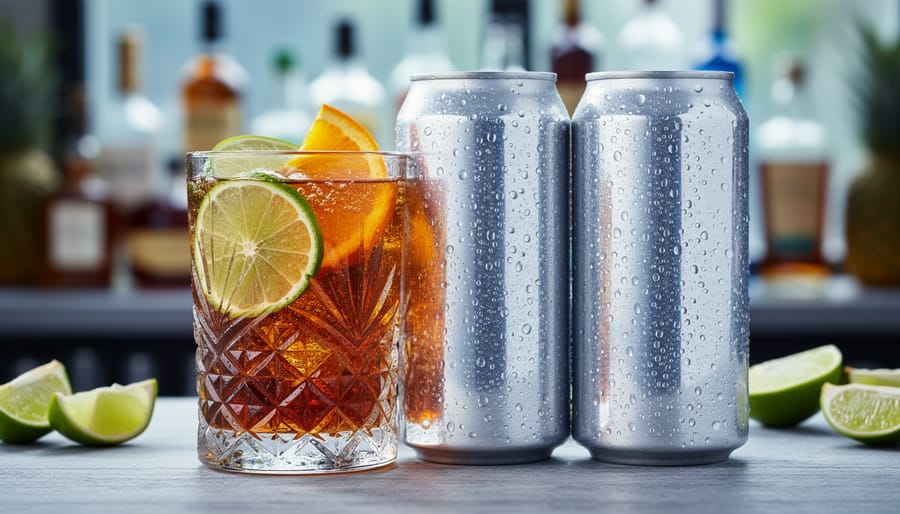
Seltzer and sparkling water are close enough that you can swap them in nearly any drink, and the can you should grab depends on what’s in it, not what the label calls it. In our testing, the unsweetened, zero-calorie cans won every time, because they let rum, citrus, and spiced syrups do the talking instead of competing with them. Hiball Energy Wild Berry Sparkling Energy Seltzer and AHA Sparkling Water are the two we kept coming back to, and they suit different jobs.
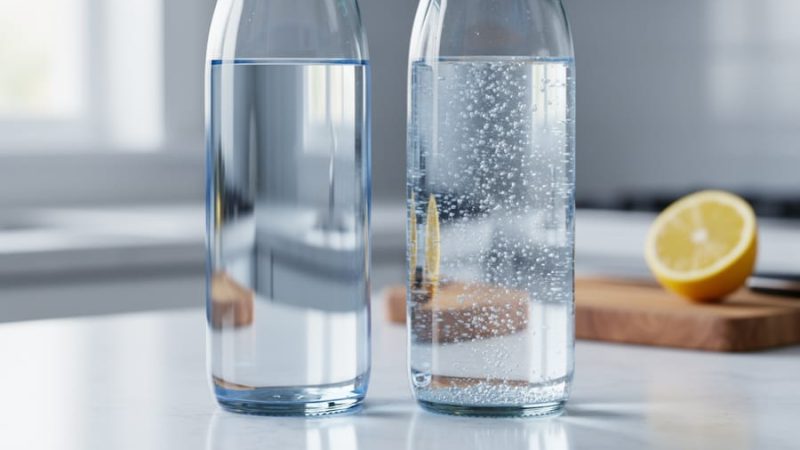
Here’s the short version of the terminology. Seltzer is plain water carbonated artificially. Sparkling water is often carbonated too, sometimes with natural minerals, which can nudge the taste slightly saltier or softer. In a can, that distinction matters far less than the ingredient list. Most unsweetened options are just carbonated water and natural flavors, with zero sugar and zero calories.
That makes them ideal for tiki builds, where you want lift and fizz without added sweetness throwing off a carefully balanced recipe. A Highball-style rum drink, a zero-proof pineapple spritz, a Mai Tai stretched into a longer pour: the right can works in all of them.
Below, we break down both products, compare them side by side, and show you who should reach for which.
Seltzer vs. Sparkling Water at a Glance
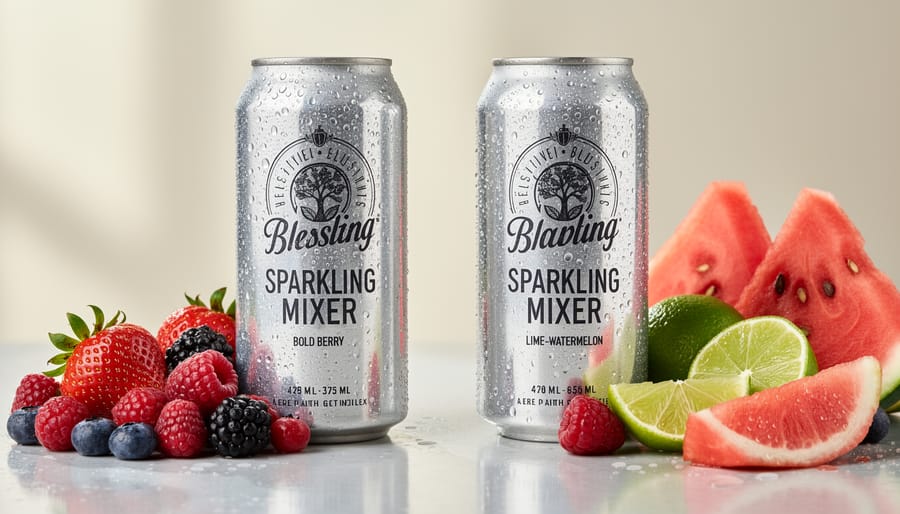
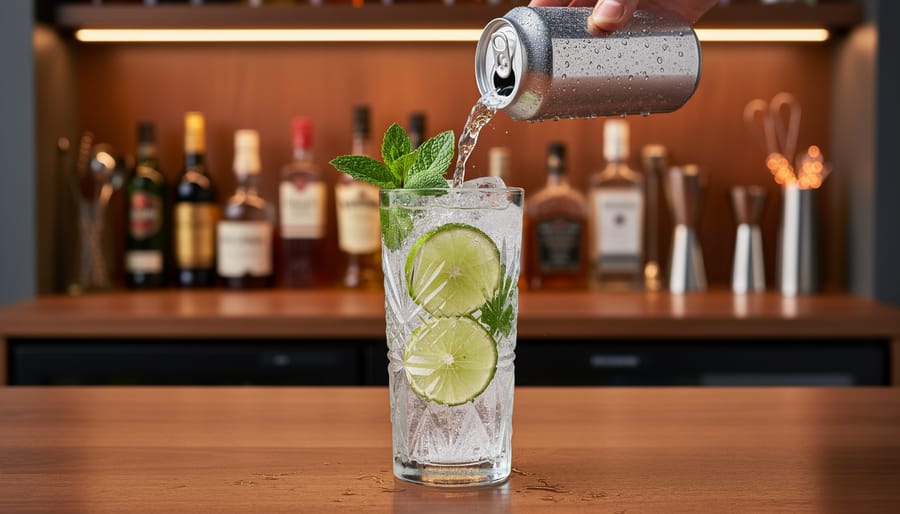
Think of the unsweetened can as your blank canvas and the flavored ones as a finishing touch. Either way, taste the can on its own before it goes anywhere near your rum.
What Each Can Is: Defining Seltzer, Sparkling Water, and the Canned Niche
Is There Really a Difference? Reading the Label
Here’s the quick truth about the seltzer-versus-sparkling-water question: the name on the front of the can tells you very little. The ingredient panel on the back tells you almost everything. When we compare cans for the bar, that’s where we look first, and it takes about ten seconds.
A clean can reads like a short sentence. LaCroix lists only carbonated water and natural flavors. H-E-B’s Unsweetened Original Unflavored Sparkling Water goes further, showing zero calories, sugar, or sodium, and no artificial colors, flavors, or preservatives. Bubly lists zero grams of sugar, and Hiball’s Sparkling Energy Waters claim no sugar or sweeteners of any kind and 0 calories. None of these is a ranking, just a picture of what a bar-friendly label can look like.
Here’s the checklist we run through at the shelf:
- A short ingredient list, ideally water plus natural flavors.
- No added sugar or sweeteners of any kind.
- No artificial colors or preservatives.
- A serving size that matches the can you’re actually pouring.
- A calorie count that reads zero, so your syrups do the sweetening.
If you’re still sorting out the terminology, our guide to club soda vs sparkling water covers the mineral angle, and you can always make sparkling water at home if you want total control.
Hiball Energy Wild Berry Sparkling Energy Seltzer: The Berry-Forward Energy Can

Hiball Energy Wild Berry Sparkling Energy Seltzer is a flavored energy seltzer with no sugar or sweeteners of any kind and 0 calories. That makes it a different animal from a plain can of bubbles. The wild berry flavor is assertive, so it works less as a quiet lift and more as a supporting flavor, a bit like adding a splash of berry cordial without the syrup. The energy angle also changes who it’s for: it suits a host who wants a livelier zero-proof option, not every guest at the table.
In our testing, it was at its best where the berry note could join the drink rather than fight it. Think berry-leaning rum highballs, zero-proof spritzers over lots of ice, or hibiscus and passion fruit riffs where tart, floral flavors give the berry something to lean on. It clashed with delicate or classic builds, like a clean daiquiri or a nuanced aged rum, where the flavor crowded out the spirit. It’s also not the call for anyone who doesn’t want added caffeine in their glass.
One practical note: the can is 16 fl oz, bigger than a standard 12 fl oz can. That affects batch math, since one can tops more glasses than you’d expect, so scale your pitcher recipes before the party. It carries a 4.4 out of 5 rating from 545 customer ratings and is currently in stock.
Pros
- No sugar or sweeteners of any kind, so you control the drink’s sweetness.
- 0 calories per can.
- Bold berry flavor pairs well with rum and tropical fruit.
- Strong customer rating of 4.4 out of 5 from 545 ratings.
Cons
- The flavor is assertive and can crowd subtle spirits.
- The energy angle may not suit every guest.
- The 16 fl oz can is larger than standard, which complicates batching.
Treat it as a specialty mixer, not an all-purpose one, and taste it neat before you build around it.
AHA Sparkling Water, Lime + Watermelon: The Brighter, Lighter Mixer

AHA’s Lime + Watermelon is the lighter, brighter of our two cans, and in our hands-on mixing it behaved more like a tropical cooler base than a neutral topper. Each can is a 355mL (12 fl oz) serving with 0 calories and 0g total fat, and it comes in an 18-can pack, which suits anyone batching drinks for a crowd. It’s listed as in stock, and customers rate it 4.5 out of 5 from 47 ratings. That’s a smaller pool than you’d want for a firm consensus, so treat the score as encouraging rather than settled.
Pros
- Zero calories per serving keeps your syrups in charge of the sweetness.
- The light lime-watermelon flavor suits tropical builds.
- The standard 12 fl oz can makes pour math simple.
- The 18-can multipack works for parties and batching.
Cons
- The flavor can compete with citrus-heavy recipes if you don’t balance it.
- It has fewer reviews than the other can, so there’s less consensus.
- It isn’t a neutral choice for classic builds.
Where does it shine? Think daiquiri-style highballs. Pour an ounce and a half of white rum, a squeeze of fresh lime, and a touch of simple syrup over ice, then top with the can. The lime note reinforces the citrus while the watermelon softens the edges. It also slots neatly into tiki-style coolers built on rum, mint, and a little pineapple.
For zero-proof drinkers, it’s a natural base for an agua fresca-inspired glass: muddle cucumber or mint, add a splash of lime juice, and let the can supply the fizz and the melon sweetness. And if you make frozen drinks, a float of this over a slushy rum blend adds lift and a pop of aroma right at the top.
Here’s the flavor-stacking tip: lean toward lime-forward or white rum builds, and steer away from heavy dark rum drinks. Dark rum’s molasses depth and the candy-bright melon tend to talk over each other. Taste a splash neat first, then decide how much lime to add.
Seltzer vs. Sparkling Water, Dimension by Dimension
Sweetness, Sugar, and Calories
Unsweetened matters in tiki mixing because the sweetness should come from you. A good tiki drink balances orgeat, falernum, or honey mix against lime and rum, and a sweetened can quietly throws that balance off. Starting from a zero-sugar base means every gram of sweetness in the glass is one you chose.
The benchmarks are reassuring. Plain carbonated water carries 0.0 calories, fat, carbohydrate, and protein per 100 grams. Bubly lists zero grams of sugar, and H-E-B’s unsweetened sparkling water has zero calories, sugar, and sodium. Our two cans line up like this:
| Detail | Hiball Wild Berry | AHA Lime + Watermelon |
|---|---|---|
| Sweeteners | No sugar or sweeteners of any kind | Check the label |
| Calories | 0 | 0 per 355mL can serving |
| Sugar | None | Check the label |
| Energy angle | Sparkling energy seltzer | Check the label |
| Best tiki use | Berry rum highballs | Lime-forward daiquiri-style coolers |
Both cans keep the sugar column clean, which is exactly what you want behind the bar.
Flavor Strength and How It Plays with Rum, Citrus, and Spice
Flavored cans don’t behave like plain fizz. The flavor is part of the drink, so match it to the spirit instead of fighting it. Berry notes lean toward aged or spiced rum, where a little warm spice keeps things from tasting like candy. Lime-watermelon belongs with white rum and fresh mint, where the brightness stays crisp. Pineapple plays well with both, but go easy so it doesn’t crowd the can’s own flavor. Our tiki mixer guide covers how other mixers shift these pairings.
Quick pairing ideas for each can:
- Wild berry seltzer: spiced or aged rum, a squeeze of lime, orange peel garnish; zero-proof, add a pinch of cinnamon over ice.
- Lime-watermelon sparkling water: white rum, fresh lime, mint sprig; zero-proof, muddle mint and top with the can.
- Either can with pineapple: a small splash of juice, a lime wedge, and a pineapple frond for show.
Always taste the can on its own first. What reads as subtle neat can get louder once rum and citrus join in.
Carbonation, Dilution, and Pour Technique
Chill the can well before you open it, since cold liquid holds fizz far longer. Tilt the glass and pour down its side or along a bar spoon, then add the sparkling water last so the bubbles stay lively. Stir once, gently, from the bottom up. Hard stirring knocks out carbonation fast.
A tall highball on plenty of ice stays fizzy for a slow sip, while a short rocks drink loses its lift quickly, so go lighter on the pour. Larger cans, like a 16 fl oz energy seltzer, fill a tall glass in one go, so tally your pours before batching rather than assuming a standard can.
- Sparkling water
- Water with carbonation, sold plain or flavored; the term often overlaps with seltzer on shelves.
- Unsweetened
- No added sugar or sweeteners, so you control the drink’s sweetness with syrups.
- Zero-proof highball
- A tall, alcohol-free drink built on ice with a flavored or plain sparkling water topper.
Keep the pour gentle and the build simple, and the bubbles will do the rest.
Ingredients, Additives, and Dietary Notes
Flip the can around before you pour. Plain sparkling water keeps the label short: LaCroix lists only carbonated water and natural flavors, and H-E-B’s unsweetened original adds no artificial colors, flavors, or preservatives. Hiball’s energy seltzers carry no sugar or sweeteners of any kind and 0 calories, but an energy seltzer is still built to deliver added stimulants. If you’re watching caffeine, the label is the source of truth, so read it for that rather than assuming. Most mixing cans are fine without a second look. Just check before you build a batch.
Which Can Should You Choose? Matching the Mixer to the Drink and the Drinker
The right can depends less on the product than on what you’re building and who’s drinking it. Here’s how I’d sort it.
If you’re batching punch for a crowd, go with the lime and watermelon can. The 18-can pack makes volume easy, and the citrus-melon profile plays well with white rum and mint. Serving a classic build? Skip flavored cans entirely, because the recipe already has its own sweetness and acid. If you’re topping a frozen daiquiri recipe with a splash of fizz, the lime-forward can adds lift without muddying the lime.
Behind a professional bar, predictability wins. Chill the cans, use the same one every shift, and taste it neat so you know exactly what it adds. Hosting a zero-proof table? Either can works as a base for a highball, and since each one lists zero calories, you can sweeten with syrup to taste.
Here’s the quick version:
- Choose the Hiball Wild Berry can if you want berry flavor plus an energy kick, and you’re fine with a bigger 16 fl oz can.
- Choose the AHA Lime + Watermelon can if you want a bright, light mixer for daiquiri-style highballs and coolers.
- Choose plain unflavored sparkling water if you’re making a classic tiki recipe and want full control of sweetness.
- Stick with unflavored if a drink already stacks several syrups, juices, and spirits.
Energy-seekers should read the label closely before pouring, since energy seltzers include added stimulants. There’s no single winner here. Match the can to the drink, then trust your palate.
Frequently Asked Questions About Canned Seltzer and Sparkling Water in Cocktails
Is seltzer the same as sparkling water?
On most shelves, yes. Both are carbonated water, and the labels are used almost interchangeably, so check the ingredient list rather than the name.
Can you use flavored sparkling water in cocktails?
Absolutely, as long as the flavor suits the base. We found lime-watermelon plays nicely with white rum and mint, while berry leans toward aged or spiced rum. Taste the can on its own first.
Does sparkling water have calories or sugar?
Plain carbonated water has 0.0 calories, fat, carbohydrate, and protein per 100 grams. Some cans, like Bubly, list zero grams of sugar, and Hiball Sparkling Energy Waters carry no sugar or sweeteners of any kind.
Can you use energy seltzer as a cocktail mixer?
You can, but treat it as a deliberate choice. It adds stimulants a regular can doesn’t, so it suits zero-proof highballs or a berry rum build better than a classic tiki recipe.
Is canned sparkling water as bubbly as bottled?
In our experience, a well-chilled can delivers consistent fizz, and the single-serve format means no flat leftovers. Pour gently and add it last to keep the bubbles.
What is the best sparkling water for tiki drinks?
Unsweetened, zero-calorie cans are the most flexible because they let your syrups, such as orgeat or falernum, set the sweetness.
If one of these answers raised a new question, the best move is to crack open a can, taste it neat, and build from there.
Here’s where we landed: for tiki drinks, unsweetened, zero-calorie cans give you the most control. The fizz lifts the drink while your rum, citrus, and syrups stay in charge of the sweetness, which is exactly what you want when you’re balancing orgeat against lime.
The two cans we looked at serve different moods. Hiball Energy’s wild berry seltzer is the bold one, with no sugar or sweeteners of any kind and a berry punch that suits spiced rum highballs and zero-proof spritzers. AHA’s lime and watermelon is the brighter, lighter pick, easy to pair with white rum, mint, and anything daiquiri-adjacent.
One habit will save you more than any recommendation: taste the can neat before you mix. Flavored cans vary, and thirty seconds with a cold glass tells you whether it’ll play nicely with your base spirit or fight it.
Ready to experiment? Browse the site for related tiki recipes and zero-proof guides, then put these cans to work in your own builds. And if you want more mixer experiments, the newsletter and podcast are where we keep testing, tasting, and sharing what’s worth pouring.