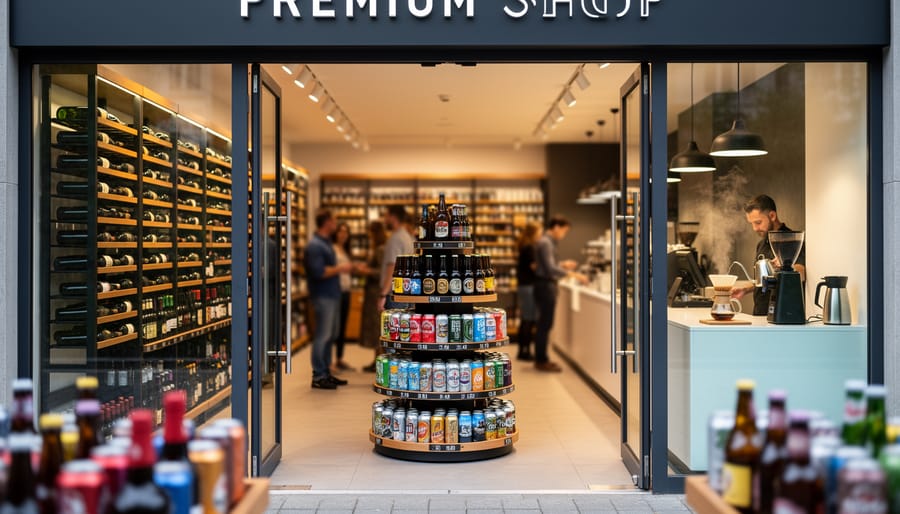
A quality beverage shop distinguishes itself through three defining characteristics: expertly curated selection tailored to local tastes, staff with genuine product knowledge who can guide discovery rather than just process transactions, and proper storage conditions that preserve each drink’s integrity. In 2026, as beverage culture continues to evolve beyond simple retail into experiential destinations, these shops serve as bridges between curious consumers and the expanding universe of craft spirits, artisanal coffees, specialty teas, and innovative non-alcoholic alternatives.
The difference becomes apparent the moment you walk through the door. Temperature-controlled wine cellars, regularly rotated craft beer selections with transparent freshness dates, and coffee beans roasted within weeks rather than months signal a commitment that transcends profit margins. Quality shops invest in relationships with small producers, offering bottles and blends you won’t find in big-box retailers, while maintaining approachable classics for everyday enjoyment.
What separates exceptional from adequate often lies in the details: a buyer who personally tastes products before stocking them, a willingness to special-order based on customer requests, and transparent sourcing information that helps you understand what you’re drinking and why it matters. Whether you’re building a home bar, exploring regional wine varieties, or seeking the perfect pour-over beans, recognizing these markers transforms shopping from transactional to educational, turning each visit into an opportunity to expand your palate and deepen your appreciation for quality beverages.
The Foundation: What Defines a Quality Beverage Shop
Curation Over Volume
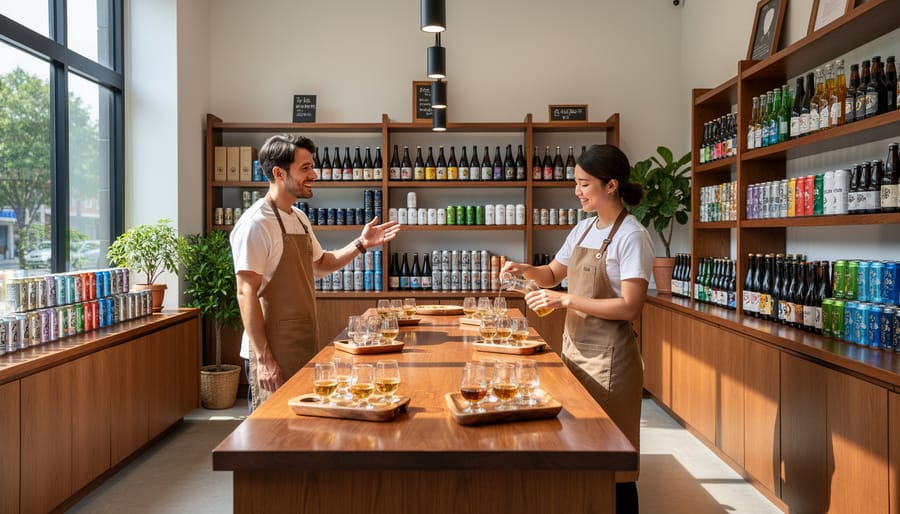
Walk into a quality beverage shop and you’ll notice something immediately: they don’t stock everything. This isn’t a limitation, it’s a deliberate choice that separates thoughtful retailers from warehouse-style operations.
Instead of cramming shelves with every available brand, quality shops practice intentional curation. Each bottle, bag, or can earns its place through a story worth telling. The owner might stock a small-batch gin because she visited the distillery and tasted the botanicals herself. That obscure amaro on the shelf? It’s there because it represents a dying Italian tradition the staff wants to preserve.
This approach means you won’t find twenty vodka options filling a wall. You’ll find five or six, each distinctly different and selected for specific reasons: one made from heirloom wheat, another distilled by a family operation using century-old techniques, a third sourced from a women-owned craft distillery. The shop can explain why each matters.
Provenance becomes paramount in curated spaces. Quality shops trace where ingredients originate, how products are made, and who makes them. They stock the single-origin Ethiopian coffee roasted locally rather than generic blends from faceless corporations. They carry the mezcal made by third-generation producers in Oaxaca, not the mass-market brand owned by a spirits conglomerate.
This selectivity ultimately saves you time and builds trust. You’re not overwhelmed by choices, you’re guided toward beverages with genuine character and authenticity.
The Expertise Factor
The difference between an adequate shop and an exceptional one often comes down to the people behind the counter. Staff who can discuss the terroir of a wine region, explain the distillation process behind a craft gin, or recommend a coffee roast based on your brewing method transform shopping into education.
Quality shops invest in their employees’ ongoing training. Staff members attend producer visits, participate in industry workshops, and continuously taste and evaluate new products. This isn’t just about memorizing tasting notes, it’s about developing genuine expertise they can translate into personalized recommendations.
The best beverage advisors ask questions before making suggestions. They want to know if you’re celebrating a special occasion or stocking a home bar, whether you prefer bold flavors or subtle complexity, what you’ve enjoyed before and what disappointed you. They guide rather than sell, offering samples when possible and explaining why specific bottles might suit your preferences.
This expertise extends beyond products to preparation techniques. A knowledgeable staff member might suggest the proper glassware for a whisky, the ideal water temperature for brewing a delicate tea, or cocktail recipes that showcase a particular spirit’s characteristics.
Beverage Categories That Matter: From Spirits to Specialty Coffee
Spirits and Wine: Beyond the Basics
A quality beverage shop’s spirits selection reveals its philosophy immediately. Instead of endless rows of mass-market vodkas, you’ll find bottles with actual stories: a mezcal from a fourth-generation palenquero in Oaxaca, an Irish whiskey finished in rare sherry casks, or a gin distilled with botanicals foraged from a specific coastal region. These shops seek producers who obsess over details, heritage grain varieties, traditional fermentation methods, barrel char levels that matter.
The wine section follows the same principle. Rather than stocking every commercial label that moves volume, quality shops champion small growers and natural winemakers who express terroir honestly. You might discover a Grüner Veltliner from a biodynamic Austrian vineyard with just three hectares, or a Priorat from vines planted in the 1920s. Staff can explain why these bottles cost what they do, connecting price to vineyard practices, harvest decisions, and aging processes.
This curation extends to category depth. A shop specializing in amari might carry twenty different Italian digestifs, each representing distinct regional styles and family recipes. Another might focus heavily on Japanese whisky, featuring not just the famous names but smaller distilleries experimenting with mizunara oak and local barley strains. Quality shops choose expertise over breadth, building collections that reward exploration rather than overwhelming with options.
The Coffee and Tea Experience
A quality beverage shop doesn’t treat coffee and tea as afterthoughts to their spirits collection. Instead, these shops approach non-alcoholic offerings with the same rigor they’d apply to selecting a rare whisky or natural wine. You’ll find single-origin coffees labeled with specific farms, harvest dates, and tasting notes that rival wine descriptors. Staff can explain why a Ethiopian Yirgacheffe tastes floral while a Sumatra Mandheling brings earthy, full-bodied richness.
The best shops source directly from roasters who visit origin farms, ensuring transparency from soil to cup. They’ll carry coffees roasted within the past two weeks, not months-old bags gathering dust. Many rotate seasonal offerings, introducing customers to Kenya’s bright citrus notes during one visit and Guatemala’s chocolate undertones the next.
Tea receives equal reverence. Quality shops stock loose-leaf varieties from specific estates, not generic blends in dusty tins. Expect to find first-flush Darjeelings, high-mountain oolongs, and Japanese gyokuros alongside staff who understand proper water temperatures and steeping times. They’ll recommend a gaiwan for exploring oolongs or explain why that delicate white tea shouldn’t touch boiling water.
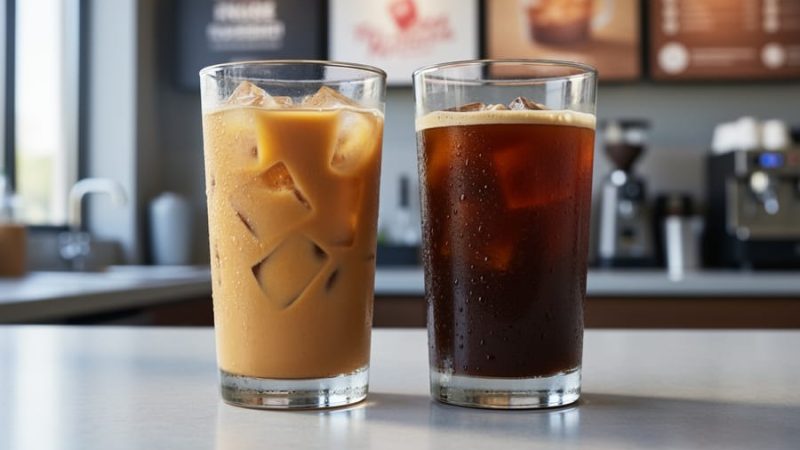
Crucially, these shops provide brewing guidance that goes beyond package instructions. Staff might demonstrate pour-over techniques, discuss grind sizes, or explain how water quality affects extraction. They’re investing in your ability to recreate cafe-quality experiences at home, treating coffee and tea preparation as crafts worth mastering.
Craft Mixers and Specialty Ingredients
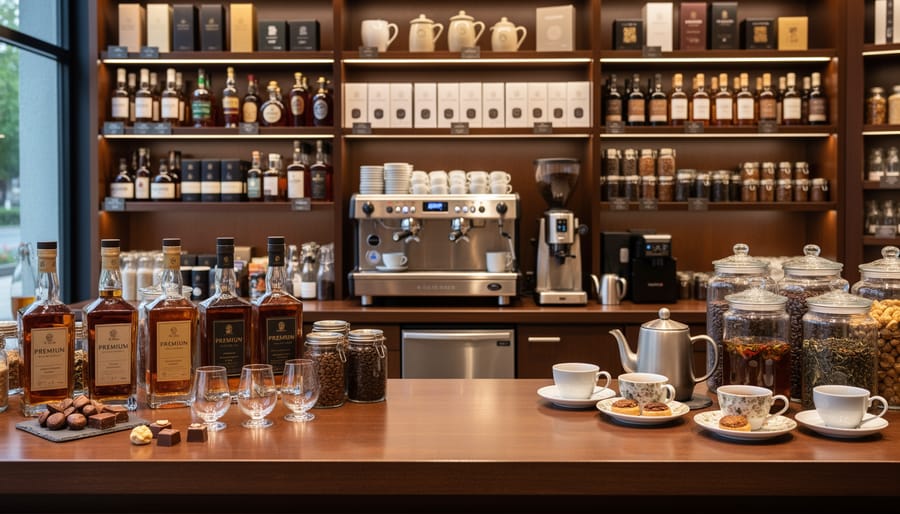
A quality beverage shop treats mixers and ingredients with the same reverence as base spirits. You’ll find craft tonic waters that showcase real quinine and botanicals rather than artificial sweetness, small-batch bitters from producers who macerate ingredients for weeks, and syrups made from actual fruit instead of laboratory-created flavours. These shops stock proper ginger beer with bite, Japanese yuzu juice, rose water from Lebanese producers, and housemade grenadine ingredients.
The staff can explain why Mexican Coke matters for a Cuba Libre or how orange blossom water transforms a Ramos Gin Fizz. They understand that the mixer often comprises 75% of your drink’s volume, making quality non-negotiable. You’ll discover ingredients you didn’t know existed, things like Gentiane liqueur for depth, preserved lemon for North African-inspired cocktails, or fermented pineapple syrup for tropical drinks. These details separate adequate home bartending from genuinely impressive results.
Regional Beverage Traditions: How Location Shapes Quality Shops
European Influences and Heritage Spirits
Quality beverage shops act as cultural ambassadors for European drinking traditions that stretch back centuries. Walk into a well-curated shop and you’ll find Italian amari displayed with tasting notes explaining how each bitter liqueur reflects its region, perhaps a Campari for aperitivo hour or an obscure Sicilian amaro made with local citrus and wild herbs. Staff should explain why these matter beyond cocktail ingredients: they’re digestifs tied to family meals and regional identity.
French wine sections reveal more than varietal names. Look for shops that organize by terroir, helping you understand how Burgundy’s limestone soils create different expressions than Bordeaux’s gravel banks. Scottish whisky deserves similar treatment, not just Highlands versus Islay, but stories about distillery water sources, peat levels, and cask influences that shape flavor.
Belgian beer culture gets proper respect through proper glassware guidance and explanations of Trappist brewing traditions. These aren’t just products; they’re liquid history. A quality shop connects you to the winemakers, distillers, and brewers who maintain centuries-old practices while innovating carefully within tradition.
Asian Tea Culture and Sake Appreciation
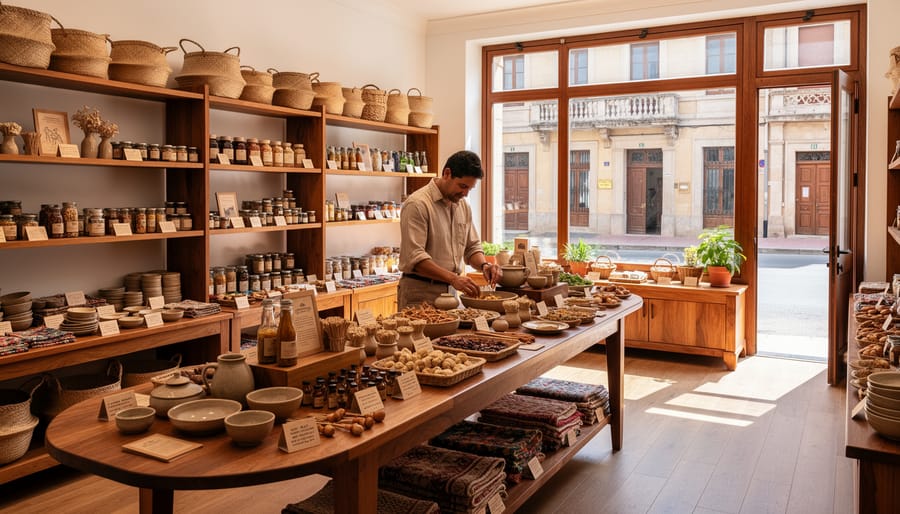
Quality beverage shops approach Asian teas and sake with reverence for tradition while making them accessible to newcomers. The best shops source directly from small producers in Japan, China, and Taiwan rather than relying on commodity suppliers. You’ll find staff who can explain the distinctions between sencha and gyokuro, or walk you through sake grades like junmai and daiginjo without making you feel lost.
These shops store sake properly, chilled and away from light, because they understand how delicate these beverages are. They carry multiple tea varieties with harvest dates and region information, treating green tea like fresh produce rather than a shelf-stable commodity. Many offer proper brewing equipment and temperature guidance, recognizing that water temperature transforms the same tea leaves.
The staff typically share stories about production methods: how matcha gets stone-ground, why aged oolong develops complex flavors, or how different rice polishing ratios affect sake character. This education transforms purchases from transactions into cultural exchanges, connecting you to centuries-old traditions through each carefully selected bottle or tin.
American Craft Movement and Local Producers
The American craft beverage movement has transformed what quality shops can offer, shifting the focus from imported prestige to local excellence. Small distilleries now produce gins, whiskeys, and liqueurs that rival traditional European spirits, while neighborhood roasters develop coffee profiles that showcase single farms rather than blends designed for mass appeal.
Quality beverage shops serve as crucial gatekeepers for these producers. They provide shelf space when major retailers won’t take risks on unknown brands, offer staff training so customers understand what makes a Tennessee rye different from Kentucky bourbon, and create visibility through strategic placement and storytelling.
This local focus benefits everyone. You discover products unavailable elsewhere. Producers gain direct feedback from knowledgeable staff who understand their customers’ preferences. The shop builds identity around championing regional makers, creating loyalty that transcends price competition. When you buy a bottle from a local distillery at a quality shop, you’re supporting two businesses committed to craft over convenience.
The Shopping Experience: What to Expect and How to Engage
Building Your Knowledge Through Staff Expertise
Walk into a quality beverage shop with curiosity, not just a shopping list. The staff aren’t there to simply ring up purchases, they’re your direct line to years of tasting experience, industry connections, and product knowledge you won’t find on labels.
Start conversations by describing what you already enjoy rather than asking for “something good.” Mention specific bottles you’ve liked, flavors that appeal to you, or occasions you’re planning for. A knowledgeable staff member can map your preferences to new discoveries far better than you can by browsing alone.
Ask about their personal favorites and why. The answer reveals both their expertise and their enthusiasm, two qualities that matter when you’re investing in premium beverages. Don’t hesitate to request stories about producers, regional traditions, or how something should be served. These shops thrive on sharing this context.
When staff recommend something unexpected, consider it seriously. They’re pattern-matching your stated preferences against their catalog of tastes, often spotting connections you’d miss. The goal isn’t finding the single perfect bottle, it’s expanding your palate through informed exploration, one conversation at a time.
Events, Tastings, and Community Building
Quality beverage shops understand that education and connection happen best when people gather around shared experiences. These establishments create calendars packed with events that transform retail spaces into community hubs where enthusiasts and newcomers alike can deepen their appreciation.
Spirit tastings remain the cornerstone of many shops’ event programming. These guided sessions let you sample premium bottles you might hesitate to purchase blindfolded, comparing Scotch expressions from different regions or exploring the subtle differences between reposado tequilas. Staff lead discussions about production methods, tasting notes, and food pairings while you discover new favorites without committing to full bottles.
Coffee cuppings bring the same approach to non-alcoholic beverages. Shops with serious coffee programs host weekly or monthly sessions where you taste single-origin beans side-by-side, learning to identify flavor profiles from Ethiopian naturals versus Colombian washed coffees. The interactive format demystifies specialty coffee terminology and helps you articulate preferences when making future purchases.
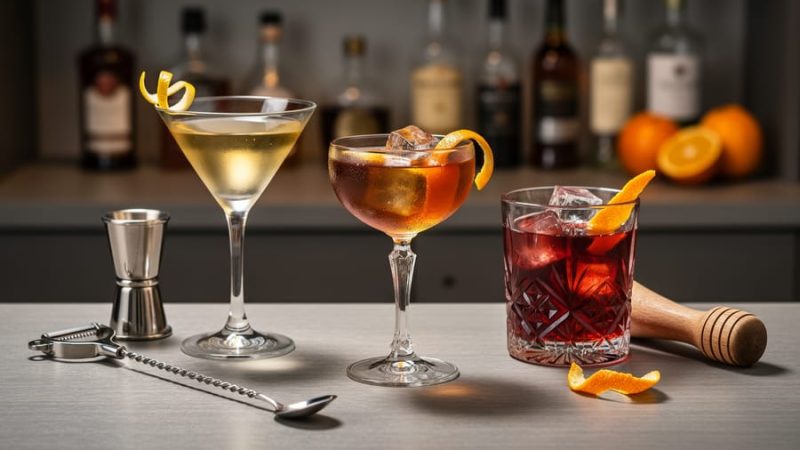
Hands-on cocktail classes take participation further. You’ll mix classic drinks under expert guidance, learning proper techniques for stirring, shaking, and balancing flavors. These workshops typically conclude with everyone enjoying their creations together, creating natural opportunities to share tips and forge friendships.
Seasonal events like Negroni Week celebrations or holiday cocktail parties transform regular customers into a community. You’ll recognize familiar faces, swap recommendations, and build relationships rooted in shared enthusiasm rather than casual transactions.
Spotting Quality: Red Flags and Green Flags
Walking into a beverage shop for the first time, you might feel overwhelmed by bottles and labels. But once you know what to look for, quality shops reveal themselves quickly through specific telltale signs, while subpar retailers show their hand just as clearly.
Start with the physical environment. Quality shops maintain proper storage conditions: wines rest horizontally in temperature-controlled areas, spirits stand upright away from direct sunlight, and specialty coffees occupy airtight containers with roast dates clearly marked. Dusty bottles signal stagnant inventory and poor turnover, particularly problematic for products like vermouth, cream liqueurs, or anything with expiration dates. Check bottle necks and labels, sun fading or heat damage indicates careless storage that compromises what’s inside.
Staff interaction offers your clearest quality indicator. Knowledgeable employees ask about your taste preferences, occasion, and experience level before making recommendations. They explain why they suggest specific bottles, discuss production methods, and acknowledge when something falls outside their expertise rather than bluffing. Conversely, staff who can’t answer basic questions about their inventory, push only high-margin products, or treat browsing customers with indifference reveal a shop prioritizing transactions over education.
- Bottles stored properly with attention to temperature, light exposure, and orientation.
- Staff members who ask questions about your preferences before recommending products.
- Visible relationships with local producers and rotating seasonal selections.
- Regular tastings, classes, or educational events listed on their calendar.
- Clear organization with informative shelf tags beyond just price and name.
- Dusty bottles, sun-faded labels, or products stored in hot window displays.
- Staff unable to discuss tasting notes, production methods, or proper serving suggestions.
- Selection driven purely by discounts and commercial brands without craft or specialty options.
- High-pressure sales tactics or dismissive attitudes toward customer questions.
- No visible commitment to community engagement or beverage education.
Look for shops that cultivate relationships beyond distribution channels. Quality retailers feature local distilleries, roasters, and producers, often with staff who’ve visited these operations personally. They host producer meet-and-greets, facilitate barrel picks, or organize trips to nearby beverage destinations. Their selection reflects thoughtful curation rather than whatever distributor deals came through that month.
Physical organization matters too. Well-arranged shops group products logically with informative shelf tags noting region, style, and sometimes tasting notes or food pairings. You shouldn’t need a treasure map to find what you want, but the layout should encourage discovery beyond your usual purchases. Price tags alone, without context or guidance, suggest a shop treating beverages as commodities rather than experiences worth understanding.
Finding Your Local Quality Beverage Shop in 2026
Start your search online, but don’t rely solely on generic review sites. Look for shops mentioned in local food and beverage blogs, newspaper profiles, or specialty drink forums where enthusiasts share their discoveries. Instagram and TikTok have become surprisingly useful for spotting shops that showcase their products with genuine passion, look for posts demonstrating staff knowledge, featuring small producers, or highlighting educational content rather than just product glamour shots.
Word-of-mouth remains invaluable. Ask bartenders at quality restaurants where they shop for personal projects. Coffee professionals and wine enthusiasts typically know the dedicated retailers in your area. Local distillery and brewery taprooms often recommend shops that carry their products with proper care.
When you visit a potential shop for the first time, observe the basics. Check storage conditions, wines lying flat, spirits away from direct sunlight, proper refrigeration for beer. Notice whether staff engage customers with questions about preferences and occasions, or simply point toward shelves. A quality shop typically features a rotating selection of staff picks with detailed descriptions explaining why each was chosen.
The presence of educational materials, upcoming tasting events, or a newsletter signup suggests a shop invested in customer learning. Small touches matter too: proper glassware recommendations, willingness to special-order items, and connections with local producers. If your first visit feels more like a conversation than a transaction, you’ve likely found a quality establishment worth your return.
Quality beverage shops are more than retail spaces. They’re cultural bridges connecting you to centuries-old Scottish distilling traditions, Japanese tea ceremonies, Italian aperitivo culture, and emerging American craft movements. When you walk through their doors, you’re accessing expertise that took years to develop and relationships with producers that span continents.
Every question you ask, every tasting you attend, and every bottle you purchase becomes part of your beverage education. These shops invest in you because they believe drinks carry stories worth sharing. Whether you’re exploring natural wines from small European estates, single-origin coffees from specific farms, or locally distilled spirits made blocks away, you’re participating in something larger than a transaction.
Finding a quality beverage shop in your area is worth the effort. These establishments reward your loyalty with knowledge, community, and access to products you won’t find elsewhere. They introduce you to beverages you didn’t know existed and deepen your appreciation for ones you already love.
Support them not just with purchases but with engagement. Ask questions. Attend their events. Share discoveries with friends. Quality beverage shops thrive when customers become enthusiasts, and enthusiasts become ambassadors for the traditions and crafts these shops champion.